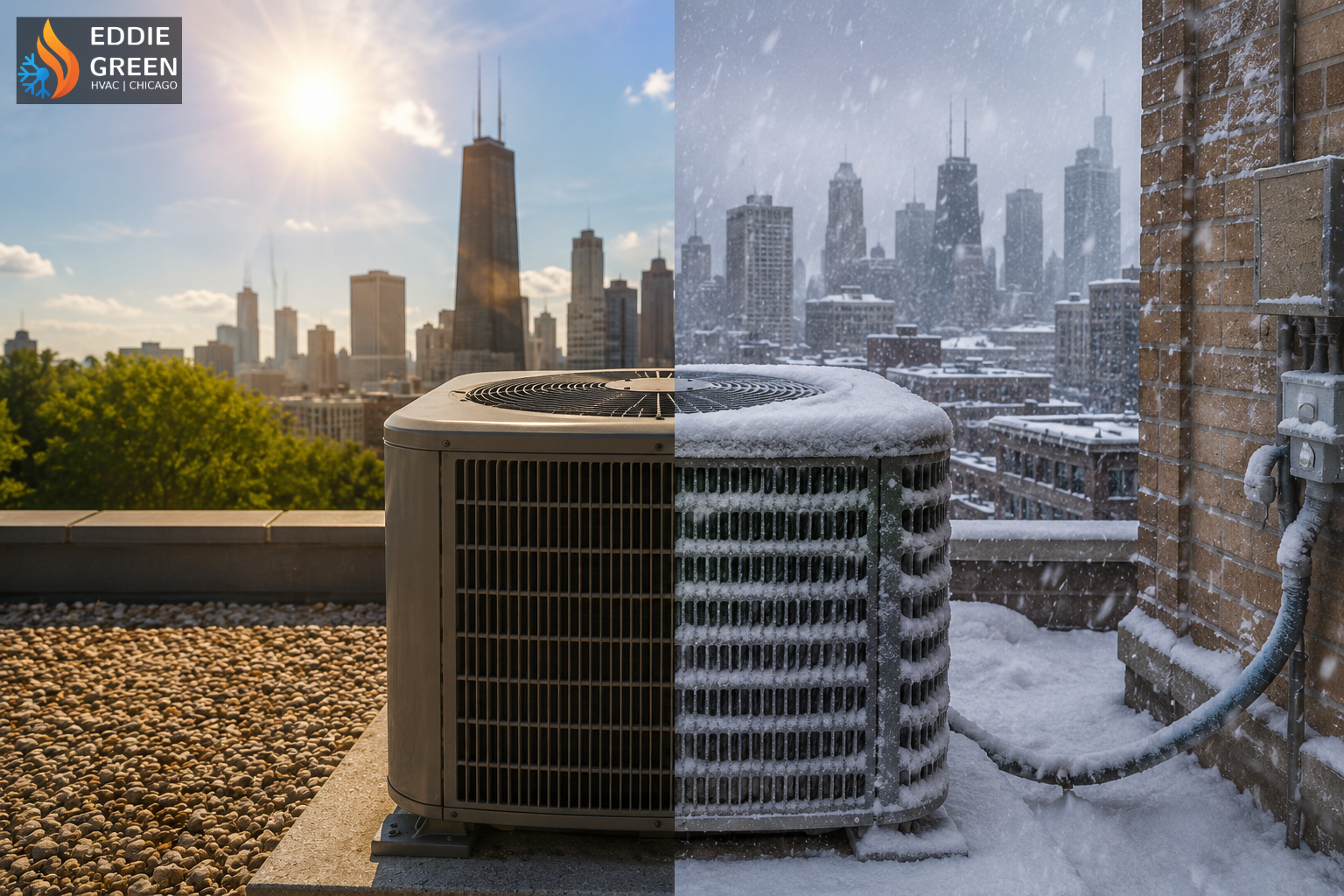
Why Your HVAC System Works Harder During Chicago Summers and Winters
If yo u live in Chicago, you know that keeping comfortable isn’t as simple as setting your thermostat and forgetting it. With our harsh winters, sticky summers, and unpredictable weather changes, your HVAC system has to put in extra work. This affects everything from your energy bills to how long your system lasts. Understanding our local climate is a great first step to getting better performance from your system.
This guide breaks down why Chicago weather is tough on HVAC systems, how these seasonal extremes impact your heating and cooling equipment, and what you can do to keep your home comfy without overloading your system. We'll also dive into topics like sizing, maintenance, indoor air quality, smart thermostat strategies, and knowing when it might be time to repair or replace old equipment. For more help, check out our seasonal HVAC maintenance and furnace repair services to keep your systems running smoothly during the toughest months.
Chicago's climate demands some of the strongest heating and cooling needs in the Midwest. The U.S. Environmental Protection Agency (EPA) offers insight on how degree days help measure heating and cooling needs, while the National Oceanic and Atmospheric Administration (NOAA) tracks regional climate patterns. For more information, visit the EPA’s heating and cooling degree days resource and NOAA.
Why Chicago Weather Pushes HVAC Systems to the Limit
Long, Cold Winters Demand More from Your Furnace
Chicago winters are long and cold, keeping your furnace busy for months. When the temperature drops below freezing, your system has to constantly replace heat lost through windows, walls, attics, and ductwork. Homes with older insulation or leaky ducts feel this strain even more, as the furnace has to run longer to maintain the same temperature.
Heating degree days measure this burden, and Chicago often ranks among the most heating-intensive U.S. cities. Even an efficient furnace can be under a heavy seasonal workload. If your system is aging, undersized, or poorly maintained, winter demand can quickly highlight any weaknesses.
Hot, Humid Summers Stress Air Conditioners
Chicago summers bring a different challenge. Air conditioners not only cool the air but also remove humidity, which adds to their workload. When humidity is high, an AC system may run longer trying to reach a comfortable indoor temperature while also pulling moisture out of the air.
This is why you might hear, “My HVAC is running but not cooling properly.” Often, the issue is not just temperature but moisture control and airflow. For more details, check our guide on why your AC is running but not cooling properly. Also, see our article on why HVAC systems struggle during extreme weather.
Rapid Temperature Swings Increase Wear and Tear
One of the toughest parts of Chicago weather is how quickly it can change. A mild morning can turn into a freezing evening, or a cool day can become hot and sticky by afternoon. These shifts force your HVAC equipment to start and stop more often, wearing down motors, burners, compressors, and controls.
Frequent cycling also makes it harder for your system to stabilize indoor humidity and temperature, reducing comfort and increasing energy use over time. Consistency is key for a well-designed HVAC system.
How Seasonal Stress Impacts Different HVAC Components
Furnaces Work Overtime in Winter
During the coldest months, your furnace is your main defense against heat loss. This means the heat exchanger, blower motor, ignition system, and filters all see more use than they would in milder climates. As the workload increases, dirty filters or weak airflow can cause the furnace to overheat, shut down early, or struggle to distribute heat evenly.
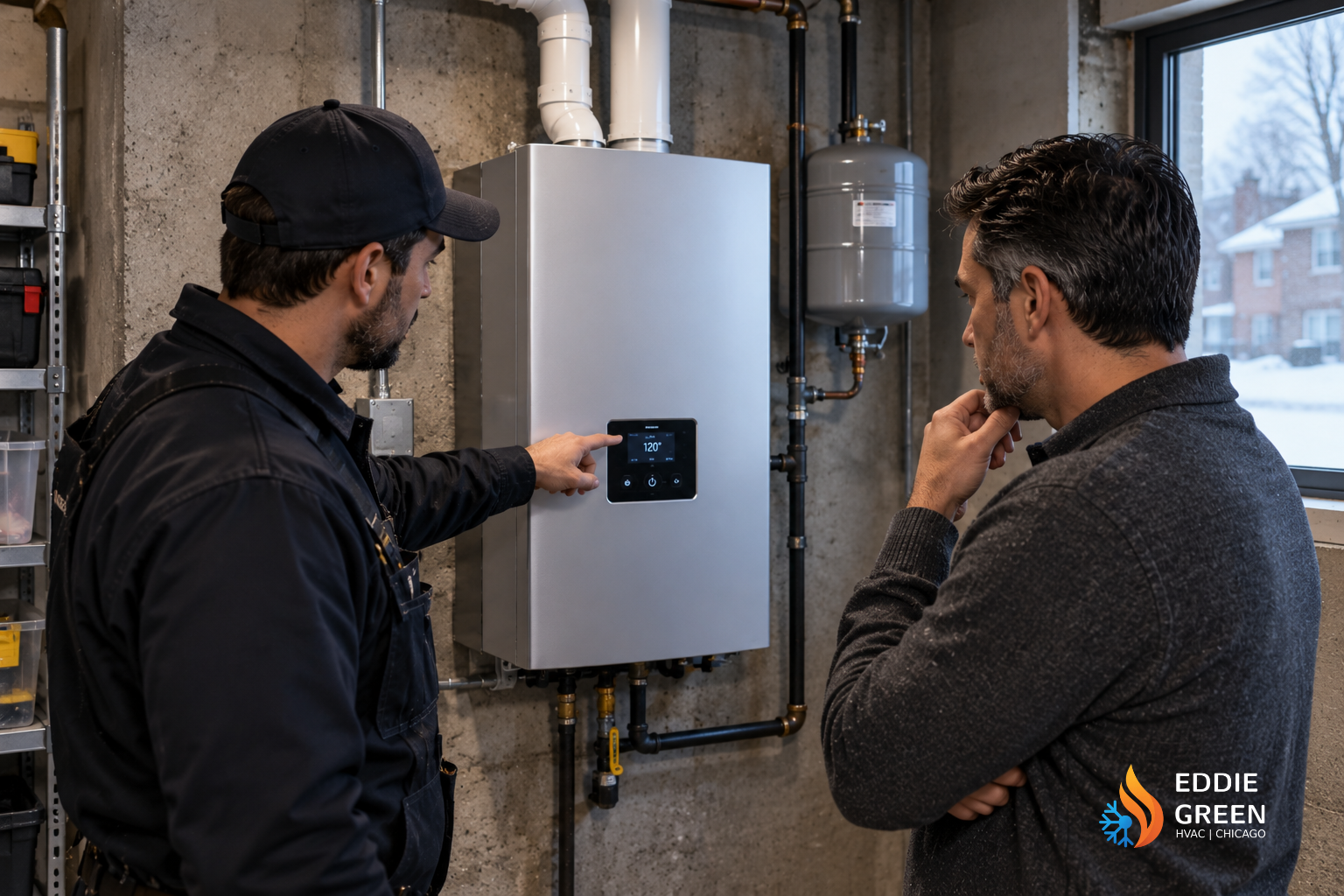
Regular furnace inspections are crucial. A tune-up can catch small problems before they turn into emergency repairs, especially when the first deep freeze hits. If your furnace is aging, learn more about upgrading with our residential furnace installation service and our article on repair vs. replace decisions for Chicago HVAC systems.
Air Conditioners Handle More Moisture in Summer
On hot and humid days, AC systems often run longer because they remove both heat and moisture from indoor air. If the refrigerant charge is off, the evaporator coil is dirty, or the airflow is restricted, the system may cool unevenly or cycle inefficiently. This can leave rooms feeling sticky even when the thermostat says the temperature is right.
Refrigerant issues are critical because they affect the heat transfer process. To understand how refrigerant supports performance, read our article on how refrigerant keeps your HVAC system running smoothly. For hands-on support, our AC repair service addresses weak cooling, thermostat problems, and compressor concerns before they become bigger issues.
Ductwork and Insulation Affect Comfort Year-Round
Even a top-notch HVAC system can't perform well if conditioned air leaks out before it reaches the rooms you use most. In older Chicago homes, ductwork might be undersized, poorly sealed, or routed through unconditioned spaces where heat loss and gain are common. This means the furnace or AC has to work harder to overcome distribution losses.
That’s why duct design matters for airflow and efficiency. For more insight, read our article on how ductwork design affects airflow and efficiency. Better ducts mean better comfort, lower energy use, and less unnecessary system strain.
Why Proper Sizing Matters So Much in Chicago
Oversized Systems Waste Energy
It might seem like bigger equipment would solve comfort problems, but oversized HVAC systems can create new ones. When a system is too large for the home, it reaches the thermostat setting too quickly and shuts off before completing a full cycle. This is called short cycling, and it wastes energy while wearing out parts.
Short cycling also affects humidity control because the system doesn't stay on long enough to remove moisture effectively. In summer, this can leave a home feeling clammy even if it’s technically cool. In winter, it can create uneven temperatures and more frequent swings.
Undersized Systems Struggle to Keep Up
On the flip side, an undersized system might run almost nonstop and still fail to keep up with extreme temperatures. This means more noise, more energy use, and more strain on parts working at maximum output. Over time, the system can wear out faster, especially during the hottest and coldest parts of the year.
Proper sizing should always be based on a load calculation, not guesswork. A Manual J analysis considers square footage, insulation levels, windows, duct layout, sun exposure, and other variables. If you're comparing equipment options, our AC installation service and commercial HVAC installation focus on correct sizing, careful setup, and full testing.
Manual J Calculations Support Better Comfort
Manual J is the gold standard for determining the heating and cooling load of a building. It ensures your system is sized for the actual conditions of the home rather than a rough guess. This is crucial in Chicago, where an older bungalow, a two-flat, and a newer condo may all need very different equipment solutions.
The Air Conditioning Contractors of America and the U.S. Department of Energy both emphasize proper sizing and building-performance factors as key to efficiency. For more background, check the U.S. Department of Energy’s air conditioning guidance and the ACCA.
Modern Tech That Helps Chicago HVAC Systems Perform Better
Cold-Climate Heat Pumps Are Game Changers
One significant development is the rise of cold-climate heat pumps. These systems operate efficiently in lower temperatures than older models, making them a better fit for harsh winters. In Chicago, this matters because winter performance used to be a big concern for heat pump adoption.
Today’s models can deliver reliable heating at very low temperatures, often pairing well with backup heat strategies. They are a practical option for homeowners wanting better efficiency and year-round comfort. If you're considering an upgrade, ask about heat pump compatibility, duct conditions, and whether your home might benefit from a hybrid solution.
Smart Thermostats Improve Scheduling
Smart thermostats help HVAC systems work smarter. They adjust schedules automatically, reduce unnecessary runtime when no one is home, and provide data about temperature swings or unusual cycling. For Chicago families with changing routines, this flexibility can lead to real savings.
Smart controls are most effective with consistent maintenance and a properly sized system. They can't fix a failing furnace or an undersized AC unit, but they can reduce avoidable run time and help owners spot problems early. Our preventative maintenance service is a great place to start if you want to improve seasonal efficiency.
Better Filtration Supports Indoor Air Quality
Climate change has brought new HVAC challenges, including periods of poor outdoor air quality from wildfire smoke. During these events, filtration and ventilation become more important to handle fine particulates. Chicago has experienced hazy air from Canadian wildfire smoke, and experts say such conditions could happen again.
The CDC and EPA recommend paying attention to filtration and clean indoor air strategies during smoke events. Learn more at the CDC wildfire smoke guidance. This means clean filters, sealed ducts, and a good indoor air quality strategy can help your HVAC system protect comfort and health at the same time.
Common Warning Signs Your System Is Straining
Rising Energy Bills Without a Clear Reason
One of the first signs of strain is a sudden increase in utility costs. If your bills rise even though your thermostat habits haven't changed, your HVAC system may be running longer or losing efficiency. Dirty coils, weak airflow, refrigerant issues, duct leakage, and aging motors are common causes.
Since Chicago weather is demanding, small inefficiencies can quickly become noticeable. Compare your bills season to season and watch for trends, rather than assuming one high bill is just normal winter or summer usage. Persistent spikes deserve a professional inspection.
Uneven Temperatures and Weak Airflow
If some rooms are too hot while others stay cold, your system may struggle to distribute conditioned air evenly. This can happen because of blocked vents, duct problems, a failing blower, or a thermostat location that doesn't represent the whole home. Uneven comfort becomes more noticeable during extreme temperatures because the system has less margin for error.
Weak airflow can also point to clogged filters or a blower motor needing attention. If you notice these issues along with unusual noises or frequent shutdowns, it’s a good idea to schedule service before the problem escalates. Check our guide to spotting HVAC issues for more warning signs.
Water Leaks, Ice Buildup, and Frequent Shutdowns
Water around the indoor unit, ice on the evaporator coil, or a furnace that repeatedly shuts off are all signs something's off. In summer, clogged condensate lines can cause leaks and moisture damage. In winter, airflow and combustion issues can trigger safety shutoffs or uneven heating.
Preventive care is useful here because routine service often catches small drainage or airflow problems before they cause damage. If you're dealing with leaks or want to reduce the chance of future problems, our article on why HVAC systems wear out faster than expected offers a deeper look at common causes.
What Chicago Homeowners Can Do to Reduce HVAC Strain
Replace Filters and Schedule Maintenance
Simple maintenance habits make a bigger difference than many realize. Replacing filters regularly improves airflow, protects indoor air quality, and reduces strain on the blower and coils. Seasonal maintenance lets technicians clean condensate lines, inspect electrical connections, check refrigerant levels, and test for performance issues before peak season hits.
In a climate like Chicago’s, spring and fall are great times to prepare your system for the next extreme season. For a structured approach, our furnace and AC preventative maintenance service is designed to help systems stay ready before temperatures become a problem.
Seal Ducts and Improve Insulation
If your home loses heat too quickly in winter or gains heat too quickly in summer, insulation and duct sealing may help. Better insulation reduces the workload on your HVAC system by slowing heat transfer through walls, attics, and crawl spaces. Sealed ducts make sure the conditioned air you pay for actually reaches the rooms you occupy.
This is one of the most cost-effective ways to improve comfort over time because it helps every season. It can also make the home feel more stable, so the HVAC system doesn't have to cycle as often. For older Chicago homes, this can be a major improvement in both comfort and efficiency.
Use Thermostat Settings Wisely
Thermostat strategy matters, especially in extreme weather. In winter, small adjustments to nighttime setbacks can save energy without making the home uncomfortably cold. In summer, raising the thermostat a few degrees when the home is empty can reduce runtime while still keeping things comfy.
The key is consistency. Large, frequent temperature swings can make the system work harder than necessary, while measured changes allow it to recover efficiently. Smart thermostats help here, but so do simple habits and realistic expectations during the hottest and coldest days.
Special Considerations for Older Homes and High-Rise Buildings
Older Homes Have Hidden Efficiency Challenges
Many Chicago homes built decades ago weren’t designed for today’s efficiency standards. Outdated ductwork, leaky windows, aging insulation, and less airtight construction can all add up to higher HVAC demand. This means equipment in older homes often works harder than equipment in newer structures, even when both are technically the same size.
Homes in neighborhoods with older housing stock may benefit from a combined strategy of repairs, insulation improvements, and equipment upgrades. If your current system is showing its age, the right solution may be targeted repair, replacement, or a new installation matched to the home’s real load.
High-Rise Buildings Need Balanced Systems
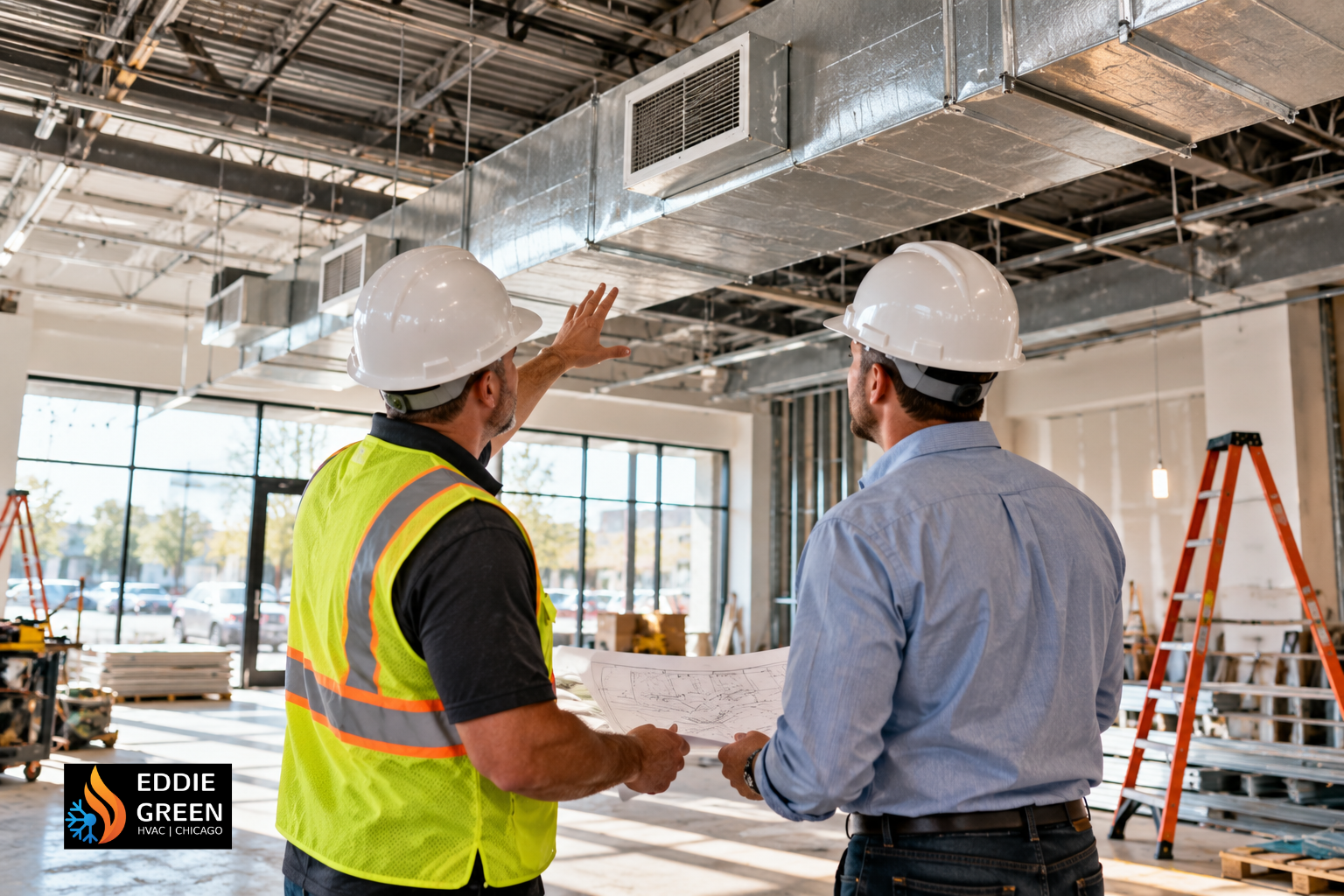
Chicago’s high-rise properties present their own HVAC challenges. Sun exposure, occupancy patterns, and simultaneous heating and cooling demands can vary by floor and by unit. In these buildings, system design and zoning are especially important because comfort needs aren't uniform from one area to another.
Commercial and multi-unit properties benefit from careful planning, stronger controls, and ongoing service. If you manage a property or small business, our commercial HVAC installation service can help support better performance, safer operation, and long-term reliability.
FAQ: Chicago HVAC Stress, Efficiency, and Repairs
Why Does My HVAC System Run So Much in Chicago?
Because Chicago has extreme seasonal temperatures, your system has to compensate for both heat loss in winter and heat gain plus humidity in summer. Long runtimes are often normal during peak weather but should still deliver steady comfort. If they don't, the system may be undersized, poorly maintained, or losing efficiency.
How Often Should I Schedule Maintenance?
Most homeowners should schedule HVAC maintenance twice a year: once before cooling season and once before heating season. This helps catch problems early, keeps things running well, and lowers the odds of emergency breakdowns. Systems under heavier demand may benefit from even closer monitoring, especially in older homes.
When Should I Call for Repairs Instead of Waiting?
Call for service if you hear unusual noises, smell burning or musty odors, notice short cycling, see leaks, or feel uneven temperatures throughout the home. Waiting usually increases the risk of a larger repair. Fast action is especially important before the first winter cold snap or the hottest part of summer.
Conclusion: Stay Ahead of Chicago’s Weather
Chicago summers and winters push HVAC systems harder with extreme temperatures, high humidity, long heating seasons, and frequent weather swings. This means more runtime, more wear, and a greater need for smart sizing and seasonal maintenance. Thankfully, there are practical steps you can take to reduce strain and improve comfort year-round.
Start with the basics: replace filters, seal ducts, improve insulation, and schedule seasonal tune-ups. If your system is older, poorly sized, or struggling to keep up, professional repair or replacement may save money in the long run. For expert help from Eddie Green HVAC, explore our furnace repair, AC repair, and maintenance services, or contact us at (224) 857-3327 to keep your system ready for the next Chicago season.
Need dependable HVAC support before the next weather swing? Reach out today and let our team help you protect comfort, efficiency, and peace of mind.