Why Your HVAC System Might Be Wearing Out Faster Than You Think
Your HVAC system works hard to keep your home comfortable, but it shouldn't be giving out sooner than expected. Often, it's not one big problem but a bunch of little ones adding up over time. If you know what's causing the strain, you can make better maintenance choices, dodge costly repairs, and extend the life of your equipment.
Let's break down why HVAC systems might wear out faster than you'd like. We'll cover things like skipping maintenance, poor installation, airflow issues, and even how modern tech like smart thermostats can play a role. Already seeing signs of trouble? It might be time to check out our preventative maintenance services or dive into our guide on spotting HVAC issues for some early detection tips.
For more guidance on keeping your HVAC efficient, the U.S. Department of Energy offers a wealth of information on heating and cooling efficiency. And ASHRAE provides standards that support better HVAC performance. Curious about how technology is changing the game? Check out this research on advanced fault detection in HVAC systems.
What's Really Going On with Premature HVAC Wear
It's More Than Just Age
A lot of folks think their HVAC system fails just because it's old. Age is a factor, sure, but it's not the whole story. With proper installation and regular maintenance, systems can outlast neglected ones. On the flip side, a poorly installed system might struggle from the start.
Signs of premature wear? Look for higher energy bills, frequent service calls, uneven comfort, and strange noises. These are signs your system is overworking, which wears out parts like motors, fans, coils, and compressors quicker.
The Cost of Ignoring the Little Things
Small problems rarely stay small. A dirty filter can mess with airflow, make the blower work harder, and eventually cause the whole system to wear out faster. A refrigerant leak? That can push the compressor, leading to bigger repair bills down the line.
That's why regular service is crucial. Many systems fail not because they're poorly designed, but because small maintenance issues were ignored. If you've been putting off service, maybe it's time to schedule an inspection with our residential furnace repair team or residential AC repair specialists, depending on what you need.
Neglecting Maintenance: The Biggest Factor
Dirty Filters and Clogged Coils
Neglected maintenance is one of the simplest yet common reasons for faster HVAC wear. Dirty filters block airflow, and clogged coils reduce heat transfer, making the system work harder and longer to maintain the right temperature.
Experts constantly emphasize routine maintenance to prevent dust and debris from straining your system. Want to avoid common summer mistakes? Here's an overview of HVAC summer mistakes that many homeowners overlook.
Skipping Seasonal Tune-Ups
Seasonal tune-ups aren't just a sales pitch—they're protective. During maintenance visits, technicians can catch worn belts, weak capacitors, drainage issues, electrical concerns, and refrigerant problems before they cause major failures. Many property owners find that seasonal furnace and AC maintenance is better than waiting for something to break.
Regular maintenance also helps keep your system efficient. An efficient system uses less energy, meaning fewer stress cycles and less wear over time. So, maintenance isn't just for comfort; it's a smart way to control costs.
Improper Installation Can Cut Short Your System's Life
Wrong Size, Wrong Load, Wrong Results
Improper installation is a major overlooked cause of early HVAC wear. If a system is too big, it might short cycle, turning on and off too often. If it's too small, it might run constantly, never fully meeting demand. Both situations increase wear and reduce comfort.
Proper sizing involves load calculations, duct conditions, insulation, and more. For those considering replacement, professional setup is as important as the equipment itself. That's why careful residential furnace installation and residential AC installation are crucial for long-term reliability.
Poor Ductwork and Weak Airflow
Installation issues don't stop with the equipment. Poor ductwork—whether undersized, leaking, or badly routed—can stress the system. Restricted airflow makes fans work harder and coils less effective, leading to hot or cold spots and unnecessary strain on components.
If airflow problems keep popping up, check out our guide on ductwork design and airflow efficiency. Proper airflow helps reduce mechanical stress on your equipment.
Compressor Stress and Refrigerant Woes
Why Compressors Fail Often
The compressor is a critical and costly part of an HVAC system, and failures here are common. Over 60% of compressor failures link back to system and service issues, which means many could be prevented. Inadequate maintenance, incorrect refrigerant charge, and misdiagnosed problems all play a part.
Around 80% of compressor failures tie to poor maintenance or misdiagnosis. Protecting your compressor is a strong reason for proactive care. For more on why compressors fail, here's an industry explanation from ACMax and research on HVAC downtime prevention.
Refrigerant Leaks and Low Charge
Low refrigerant isn't just a cooling issue; it's a wear issue. A system with low refrigerant might keep going, but it operates outside its intended range, leading to overheating and frequent cycling. Eventually, the repair bill grows bigger than if the leak were fixed initially.
If you notice weak cooling or ice buildup, you might need professional help. Our guide on AC cooling issues can explain symptoms, and our AC repair service can find the cause before the compressor gets damaged.
Airflow Restrictions and System Pressure
Blocked Vents and Closed Registers
Closing vents in unused rooms might seem harmless, but it can mess with airflow and create pressure problems. HVAC systems need a certain amount of air movement. When airflow changes too much, the system overworks to compensate.
Blocked vents, furniture over grilles, and debris in ducts all reduce efficiency. Think of HVAC performance as a whole, not just a thermostat setting. Air needs a clear path in and out for the system to "breathe" properly.
Choosing the Right Filters
High-efficiency filters can boost indoor air quality, but they must match the system’s airflow capability. If a filter is too restrictive, it might reduce circulation and increase wear. The right balance depends on the system design and maintenance schedule.
Good customer education is crucial here. HVAC pros should help homeowners understand how filters, air quality, and system longevity connect. Our air duct performance guide shows how poor distribution can quietly damage efficiency over time.
Smart Tech and Advanced Diagnostics
What Smart Thermostats Do
Smart thermostats are popular because they help monitor system behavior and cut waste. They can flag unusual temperature changes, identify frequent cycling, and encourage better scheduling. This visibility can catch problems before they become serious.
While smart controls can't replace maintenance, they support it by offering better data. If your system is running longer or the indoor temp is off, this could be an early warning sign—especially in homes with older equipment.
Machine Learning and Fault Detection
Machine learning and transfer learning are revolutionizing HVAC diagnostics. They improve the ability to detect anomalies even with limited data, meaning unusual system behavior can be spotted earlier. This shift helps reduce unexpected failures and improves service scheduling.
Advanced diagnostics shift the focus from reactive repairs to predictive maintenance. Instead of waiting for parts to fail, modern tools spot performance trends first. The future of HVAC longevity ties to smarter monitoring as well as hardware.
Weather, Building Conditions, and Local Climate
Extreme Temps Increase Runtime
HVAC systems work harder during extreme weather, shortening component life. Long, hot summers and freezing winters force more cycles and heavier loads. Combined with poor insulation or old equipment, the strain increases.
Chicago's climate is a prime example. Hot, humid summers and freezing winters place extra demands on systems. For more, check out our guide on HVAC performance during extreme weather.
Aging Buildings and Old Infrastructure
Older buildings often have older ductwork or equipment not designed for today's efficiency standards. Leaky ducts, inconsistent insulation, and outdated controls all make systems work harder than they should.
In places like Chicago, where historic buildings are common, regular inspections and timely upgrades are vital. This prevents frequent maintenance needs and higher operational costs.
Electrical Problems and Mechanical Fatigue
Capacitors, Contactors, and Motors
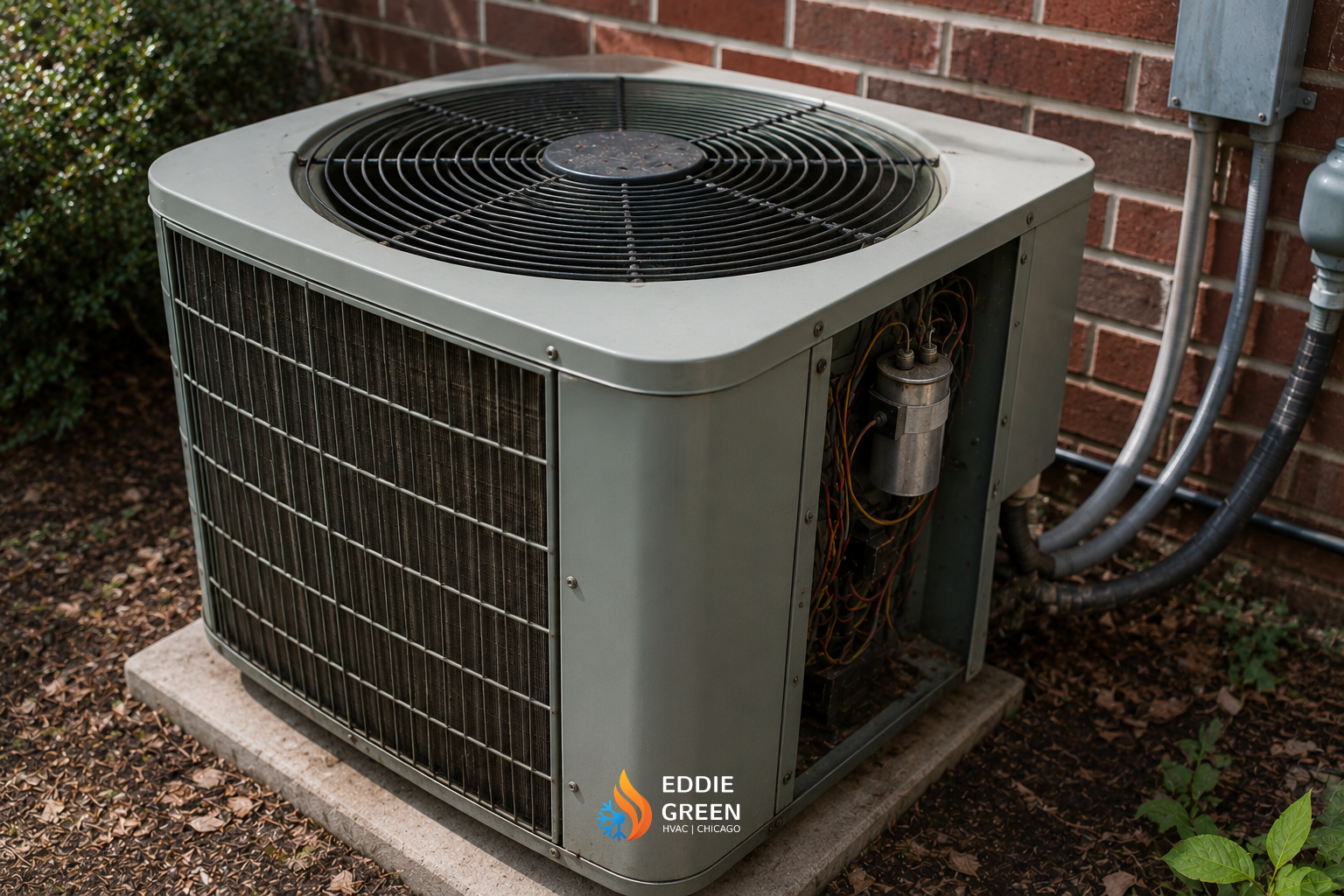
HVAC systems rely on electrical components that can wear out before the unit fails. Weak capacitors, pitted contactors, and overheated motors from restricted airflow or high demand matter because they support system operation.
Mechanical fatigue starts with stress. If the system starts and stops too often or runs hot, parts wear down quicker. Don't ignore frequent cycling, strange humming, or delayed starts.
Surge Protection and Power Quality
Not all electrical issues happen inside the HVAC cabinet. Poor power quality and voltage fluctuations can damage controls and motors. Surge protection is a smart way to reduce electrical damage risks.
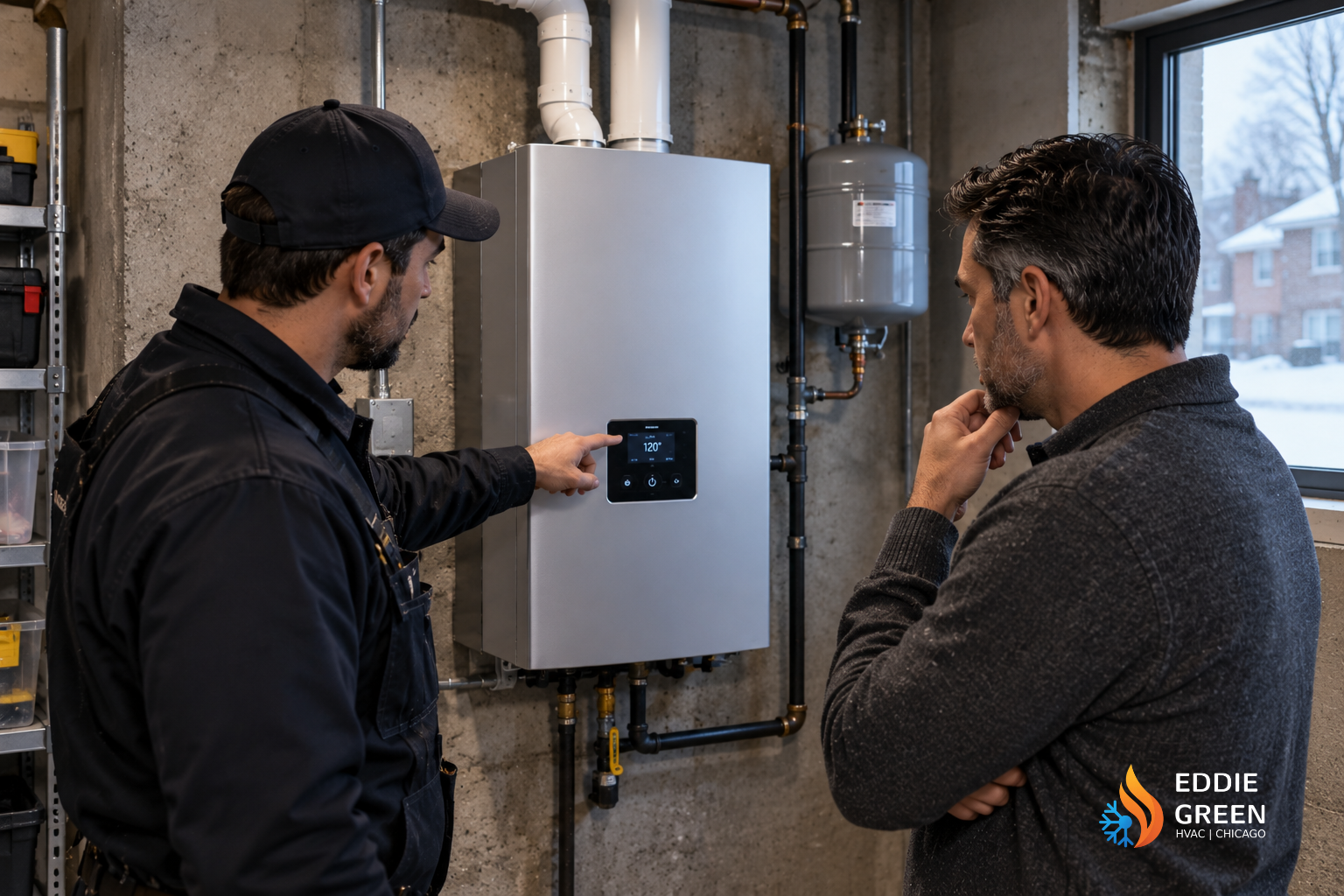
If breakers trip or the unit behaves unpredictably, a tech should inspect the system. Quick diagnosis can find whether the issue is electrical, mechanical, or something else. If it points to heating, our boiler repair team can help with issues like pressure loss and ignition trouble.
Commercial Systems Need a Plan
Downtime Costs Money
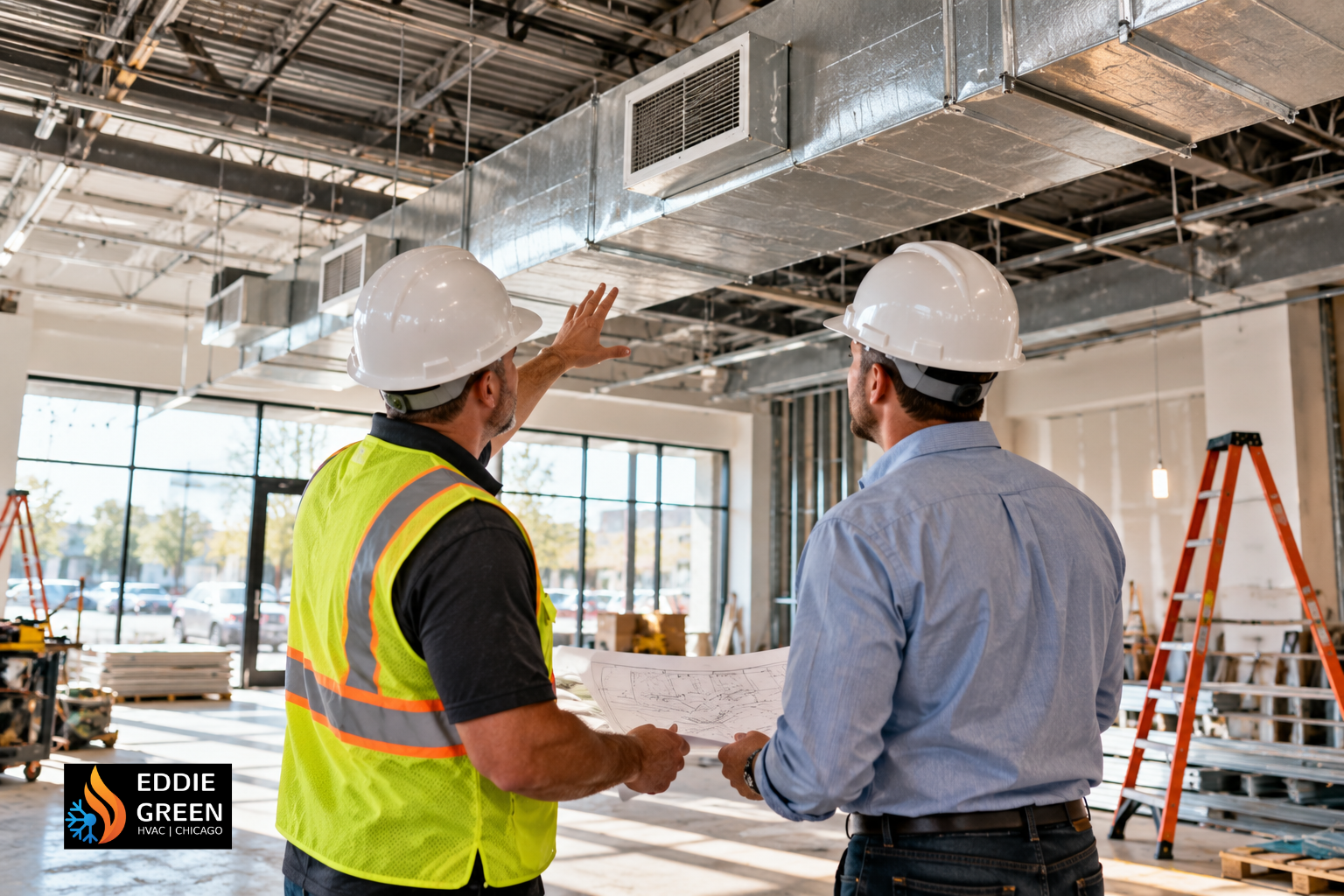
Commercial HVAC systems usually run more continuously than residential ones, and failures can be costly. Unplanned outages in commercial settings can cost businesses in lost productivity and comfort. That's why preventive service is essential for many businesses.
Owners should think about asset protection, not just repair response. A well-designed maintenance plan reduces wear, improves uptime, and helps avoid costly disruptions. For support with long-term planning, our commercial HVAC installation services can help.
Training and Compliance Matter
Contractor training is another big factor. As HVAC technology evolves, technicians need ongoing education to work with smarter controls and modern refrigerants. Better training means better service and longer equipment life.
Compliance also matters, especially in regulated areas or dense urban settings. Knowing local codes and safety standards helps prevent installations that cause early wear. For business owners, choose professionals who value skill and code awareness.
Spot Early Signs Before Damage Gets Worse
Warning Signs You Shouldn't Ignore
Several symptoms often point to early HVAC wear. Unusual noises, inconsistent temperatures, rising utility bills, poor airflow, frequent cycling, and strange odors all deserve attention. Address these signs early to avoid major damage.
If the system is running but not keeping up, or if you're unsure whether the issue is in the furnace or AC, it's wise to schedule service soon. Our furnace warning signs guide can help identify if the problem is minor or urgent.
DIY Checks vs. Professional Diagnosis
Homeowners can handle tasks like changing filters and checking thermostat settings. These steps are helpful and should be regular. But complex issues like refrigerant loss or wiring faults should always be handled by certified technicians.
Professional diagnosis prevents accidental damage and ensures the root problem is fixed. If a system has repeated issues, a tech can decide whether repair or replacement is better, including options like boiler installation or other services.
Tips to Make Your HVAC System Last Longer
Stick to a Regular Maintenance Schedule
The easiest way to reduce wear is to keep a consistent service routine. Replace filters on schedule, clear debris around outdoor units, and have the system inspected at least annually. Spring and fall are great times to prep for demanding seasons.
Regular care improves comfort and efficiency. It also lets technicians catch problems early, before they turn into compressor damage or motor failure. When in doubt, use a seasonal maintenance plan instead of waiting for symptoms.
Consider Upgrading When Repairs Add Up
Sometimes replacing aging components or the entire system is the best way to prevent more wear. If a unit needs frequent major repairs or performs poorly, upgrading can save money long-term. Newer equipment often offers better operation.
If you're weighing this choice, our repair vs. replace guide explains how to compare repair frequency, system age, and comfort issues. Thoughtful replacement decisions can stop repeated stress and help restore performance.
Wrapping Up: Taking Care of Your HVAC System
HVAC systems wear out for many reasons, but most are preventable. Neglect, bad installation, airflow restrictions, refrigerant issues, electrical stress, and weather all contribute over time. The good news? Early action makes a big difference.
Focus on the basics: schedule regular service, fix airflow issues quickly, respond to unusual symptoms, and work with pros when you need repairs or replacement. For those needing dependable help, Eddie Green HVAC is here to keep your system running smoothly. Ready to take the next step? Contact us through our website or explore our full range of maintenance services and repair options today.