Ductwork is usually tucked away behind walls, ceilings, and attics, so it's easy to forget about it. But how these ducts are designed can really change the game for airflow, comfort, indoor air quality, and even your energy bills. If your duct design is off, even a top-notch HVAC system might not perform well. But with smartly planned ductwork, your system delivers air exactly where it's needed.
This guide will dive into how ductwork design impacts airflow and efficiency, what best practices are crucial, and how homeowners and building managers can spot issues early. We'll also explore current trends like custom sheet metal fabrication and Building Information Modeling, and go over practical repair and optimization options like preventative maintenance and commercial HVAC installation. For a wider view on duct performance, check out the U.S. Department of Energy’s advice on duct sealing and leakage at energy.gov.
Why Ductwork Design Matters More Than Most People Think
Airflow is the foundation of comfort.
Airflow is what moves heated or cooled air from your HVAC unit into each room. If the duct system isn't well-designed, some rooms may get too much air while others get too little. That imbalance can create hot and cold spots, noisy vents, and uneven comfort throughout your home.
Balanced airflow isn’t just about comfort. It also helps the system operate smoothly, reducing strain on parts like the blower motor. When ductwork is properly sized and routed, the HVAC system doesn't have to work as hard against resistance, making it more effective at keeping you comfortable.
Efficiency depends on resistance and pressure.
Every bend, restriction, fitting, and transition in the duct system adds resistance. Too much resistance increases static pressure, making the blower work harder to move air. This extra effort can drive up energy use and shorten equipment life over time.
Research shows that the design phase is the right time to deal with duct fittings and sizing because early choices have a big impact on fan energy and airflow balance. A study from ScienceDirect reinforces the importance of considering duct layout and fittings before installation starts. In short, good duct design is part of the system’s efficiency strategy.
Key Elements of High-Performance Ductwork Design
Duct sizing for proper air volume
Ducts need to be sized just right to move the necessary amount of air without too much pressure drop. Undersized ducts can choke airflow, while oversized ones might slow down air velocity so much that distribution becomes uneven. The right size depends on the HVAC system capacity, the building’s layout, and the supply and return air needs in each zone.
Professional sizing starts with a load calculation and often uses a Manual D method for duct design. This process checks room-by-room airflow needs, essential for both homes and commercial buildings. If you're still figuring out if the equipment matches your home, our article on how to tell if your HVAC system fits your home can help.
Layout, routing, and the number of bends
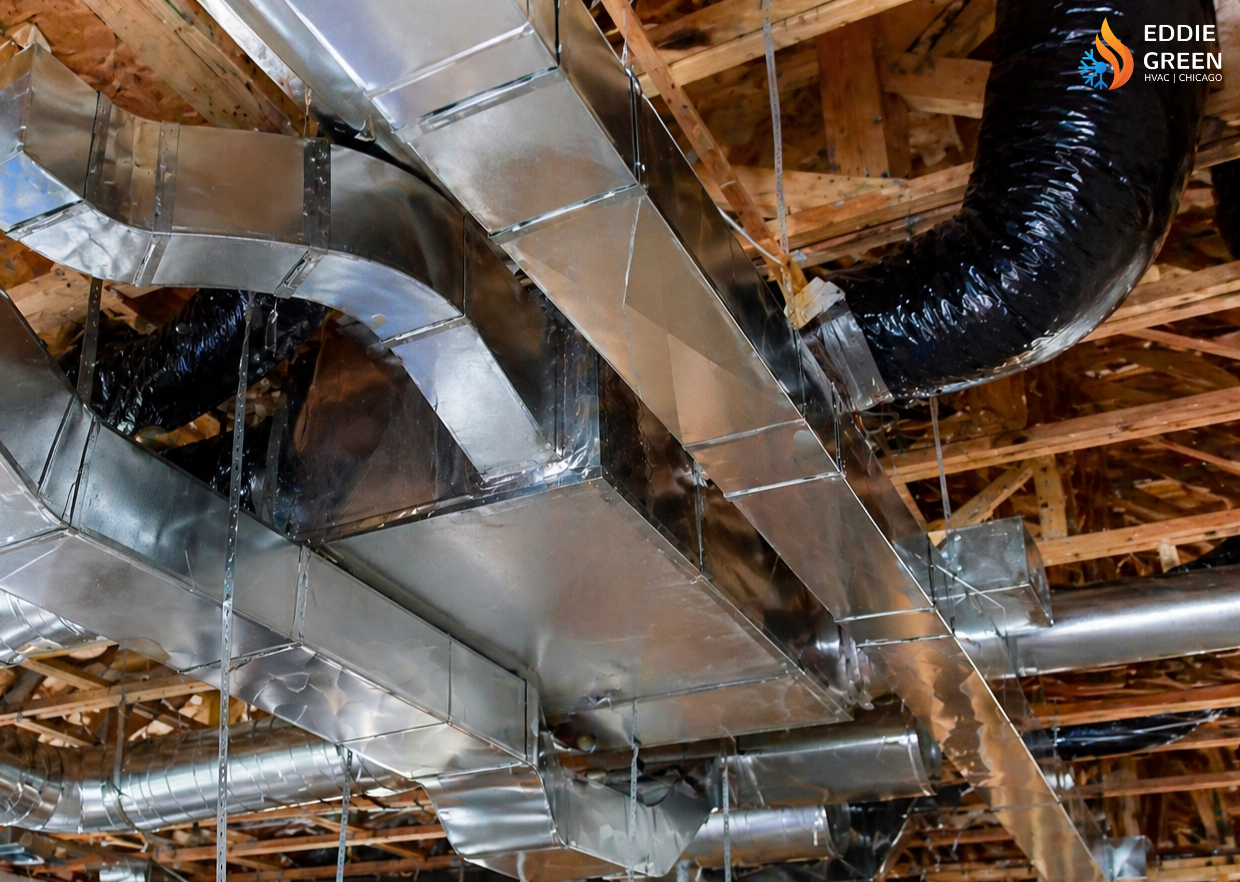
The shortest path isn’t always the best path, but unnecessary turns, long runs, and awkward routing can all hurt efficiency. Every elbow and fitting creates friction, and long horizontal runs can increase the chance of sagging or air leakage. Smart routing keeps ducts compact, accessible, and easier to seal.
In existing homes, the duct route might be limited by architectural constraints, but there are still ways to boost performance. Cutting down on unnecessary transitions, adjusting branch lengths, and improving return air pathways can lead to noticeable gains. Often, a targeted redesign is better than just replacing equipment.
Sealing and insulation
Duct sealing is a big step for maintaining airflow. Leaks let conditioned air escape into attics, crawlspaces, or wall cavities before reaching the occupied space. The U.S. Department of Energy says duct sealing can significantly cut waste and boost system performance, especially when ducts pass through unconditioned areas.
Insulation is equally important in many climates. Uninsulated or poorly insulated ducts lose temperature as air travels through them, meaning the system has to work longer to achieve the desired indoor comfort. Studies and field reports often note that leaky or poorly insulated ducts can waste up to 30% of energy, which is why sealing and insulation should be a priority.
How Duct Design Impacts Energy Efficiency and Indoor Air Quality
Lower energy use through better airflow
When ducts are designed for smooth airflow, the HVAC system uses less energy to overcome resistance. That can lower utility costs, reduce wear on the blower, and improve the overall lifespan of the equipment. Even small design improvements can add up to meaningful savings over an entire heating and cooling season.
In areas with extreme weather, like the Midwest, those savings are even more important. For homeowners weighing efficiency upgrades versus equipment replacement, duct improvements can sometimes be the better first step. This is especially true if the system is in good shape but underperforms due to flawed ductwork.
Cleaner air and fewer contaminants
Ductwork affects indoor air quality because leaks can pull in dust, insulation fibers, and other contaminants from places like attics or crawlspaces. Once these pollutants enter the airflow stream, they can circulate throughout the building. Poorly sealed ducts might also worsen humidity issues, which can lead to mold growth in certain conditions.
For families with allergies or respiratory concerns, this isn't a minor issue. A properly designed and sealed duct system helps keep a clean air path from the HVAC unit to the rooms you use. If duct problems are paired with poor maintenance, it can be helpful to read our guide on HVAC maintenance frequency so small issues don’t become costly ones.
Consistent temperature control
Balanced ductwork supports consistent air temperatures throughout the building. That means fewer complaints about one room being too warm while another feels drafty. It also reduces thermostat cycling, as the system isn't constantly compensating for uneven delivery.
When comfort issues pop up in certain rooms, many assume the equipment is failing. Often, the real culprit is airflow distribution. That's why duct analysis is essential before replacing major HVAC components.
Modern Trends in Ductwork Design and Installation
Custom sheet metal fabrication
One of the biggest advances in duct design is the increased use of custom fabrication. Instead of trying to fit standard parts into a building that doesn't suit them, contractors can now make duct sections tailored to the space's needs. This reduces unnecessary friction and improves the system's overall fit.
Custom fabrication is particularly valuable in older buildings, remodels, and mixed-use properties where standard duct layouts don't work well. It can also make future maintenance and troubleshooting easier. As research shows, custom sheet metal fabrication is one of the most practical ways to cut air resistance and energy loss.
Building Information Modeling in HVAC planning
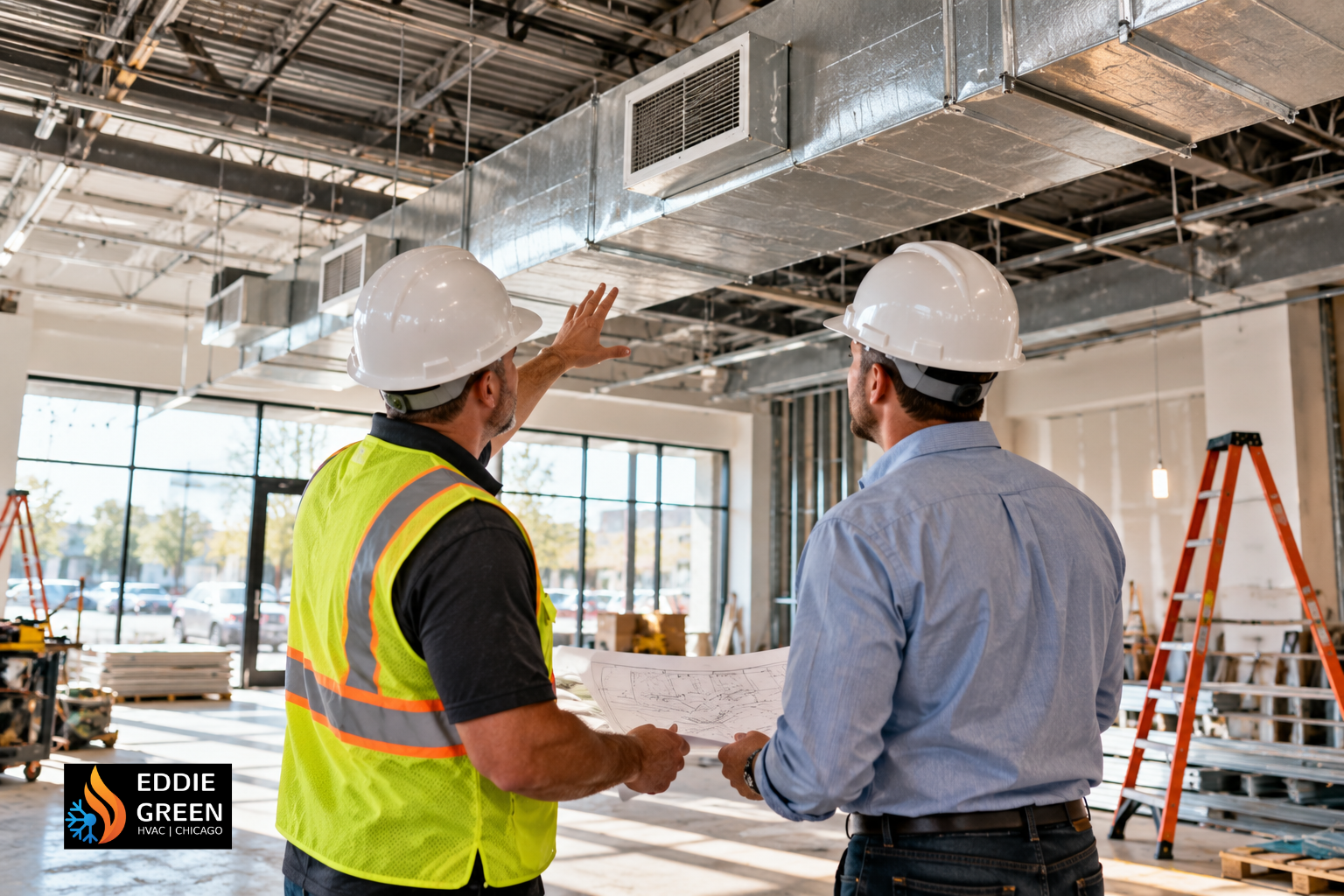
Building Information Modeling, or BIM, is growing in importance in HVAC design because it helps with precise planning, coordination, and installation. With BIM, contractors can spot conflicts before installation begins, reducing costly rework and keeping duct routing efficient. It's especially helpful in commercial and multifamily projects where multiple trades must coordinate space in tight mechanical areas.
BIM also supports more accurate modeling of airflow paths and system performance. When design teams can visualize the entire system early, they’re better able to select duct sizes, fittings, and equipment locations that improve long-term efficiency. This level of planning is one reason modern projects often outperform older systems built with less coordination.
Smarter balancing and zoning strategies
Today's duct systems are increasingly designed with zoning in mind. Instead of treating the whole building as one uniform space, zoning allows different areas to receive different levels of conditioned air based on actual use. This improves comfort and can reduce wasted heating or cooling in low-traffic areas.
Zoning works best when the duct design supports it from the start. Properly placed dampers, returns, and branch sizes help the system respond smoothly rather than creating pressure problems. In many cases, zoning paired with residential AC installation or upgraded equipment can deliver a much better outcome than equipment replacement alone.
Common Ductwork Problems That Reduce Performance
Leaks and disconnected joints
Leaks are among the most common causes of airflow loss. They often occur at joints, seams, and connections where workmanship or age has allowed gaps to develop. Even small leaks can add up across a whole system and create a noticeable drop in comfort.
Signs of leaks include dust buildup near vents, rooms that never reach the thermostat setting, or whistling sounds in the ductwork. If you suspect leaks, our article on how air ducts impact HVAC performance in Chicago homes offers more detail on warning signs and solutions. In severe cases, professional residential AC repair or duct sealing may be needed to restore proper airflow.
Poor insulation in unconditioned spaces
When ducts run through attics, basements, garages, or crawlspaces, they are exposed to temperature extremes. Without insulation, supply air can lose heating or cooling before it reaches the intended rooms, creating inefficiency and often making the HVAC system run longer than necessary.
Poor insulation is especially problematic in climates with significant seasonal swings. In winter, heat loss can make supply air feel weak; in summer, cold air can warm up before it arrives. This is one reason duct insulation is a critical part of both new design and retrofit projects.
Improperly sized return ducts
Supply ducts often get most of the attention, but return ducts are equally important. If return pathways are too small or poorly placed, the system cannot pull air back efficiently, which increases pressure problems and reduces overall circulation. In practical terms, that means weaker performance even when the supply side seems adequate.
Return air design becomes especially important in homes with closed doors, multiple floors, or additions. A room with strong supply air but no effective return path may feel uncomfortable regardless of equipment quality. This is one more reason system design should be evaluated as a whole rather than one part at a time.
Real-World Examples and Case Studies
Precision airflow in a laboratory setting
A strong example of the impact of duct design comes from the University of Chicago Laboratory and the Gordon Center for Integrative Science. In that project, the HVAC system was carefully engineered to provide quiet, low-velocity airflow for sensitive laser experiments. The design minimized turbulence, which helped prevent misalignment of precision instruments.
This case shows that ductwork design is not just about comfort. In highly sensitive environments, airflow characteristics can affect scientific outcomes, equipment stability, and operational reliability. It is a reminder that good ductwork is a performance system, not just a delivery system.
Energy savings through duct sealing
Another practical example comes from a Priority Energy Solutions case study in which sealing ductwork with Aeroseal technology produced roughly $600 in annual savings on heating and cooling costs. The investment reportedly paid back in about two years, which illustrates how targeted duct improvements can create a fast return on investment.
That kind of result is especially compelling for property owners who are deciding between equipment replacement and efficiency upgrades. In many buildings, the best path is not a single big investment but a series of smart improvements that work together. Duct sealing, maintenance, and airflow balancing can often unlock savings faster than expected.
What Chicago homeowners can learn
Chicago’s climate puts duct systems under constant pressure. Hot, humid summers and frigid winters make leaks and insulation problems far more noticeable. In many cases, sealing and insulating ducts in unconditioned spaces can cut heating and cooling costs by 20–35%, making ductwork one of the most valuable areas for improvement.
That is especially relevant when a home shows comfort problems, but the equipment itself still appears functional. Rather than assuming a full system replacement is necessary, it can make sense to review duct performance, airflow balance, and maintenance history first. If you are comparing repair and upgrade paths, our page on residential furnace repair can help you think through related heating issues, too.
How to Spot Ductwork Problems Early
Uneven temperatures from room to room
One of the first signs of duct trouble is inconsistent temperature across different rooms. If upstairs rooms are always warmer or certain spaces never seem comfortable, airflow may be uneven. This often points to duct sizing, routing, or leakage issues rather than a thermostat problem.
It helps to pay attention to whether the issue appears during both heating and cooling seasons. If the imbalance shows up year-round, the root cause is more likely in the duct system itself. A professional inspection can determine whether the issue is mechanical, design-related, or a combination of both.
Higher-than-normal utility bills
Rising utility costs can be a clue that your HVAC system is working harder than it should. When ducts leak or restrict airflow, the system must run longer to reach the set temperature. That wasted runtime often shows up in monthly bills before it becomes obvious in comfort complaints.
If bills rise despite similar weather patterns and usage habits, the duct network should be part of the diagnosis. It may be a relatively simple fix, such as sealing joints or balancing dampers, or it may require a more involved redesign. Either way, the numbers often justify a closer look.
Visible damage, noise, or dust
Crushed flex duct, disconnected joints, dirty supply registers, and rattling sounds can all indicate design or installation issues. Visible damage may seem minor at first, but it can significantly affect system performance. Dust streaks around vents are another clue that air is escaping where it should not.
In addition, unusual duct noises can signal pressure problems. Whistling or booming sounds may indicate restrictions, loose components, or poor balancing. If you want a broader troubleshooting resource, see our guide to why your HVAC system makes strange noises.
Best Practices for Better Airflow and Long-Term Efficiency
Start with design, not guesswork.
The most effective HVAC systems begin with careful planning. That includes load calculations, duct sizing, return placement, and consideration of the building’s layout before installation starts. When design is treated as a central step instead of a shortcut, the finished system is far more likely to perform as expected.
This is where contractors can add real value for homeowners and property managers. A well-designed system can reduce callbacks, lower operating costs, and improve satisfaction. It also creates a stronger foundation for future maintenance and upgrades.
Use professional balancing and testing.
Even a good duct layout may need balancing after installation. Air balancing verifies that each room receives the intended amount of airflow, which helps eliminate hot and cold spots. Testing can also reveal restrictions, leaks, or equipment mismatches that were not obvious during the design phase.
For commercial buildings, balancing is especially important because occupancy patterns and zoning demands vary widely. That is one reason commercial HVAC installation should always include system design, project coordination, and performance testing. A duct system that is never balanced is a system that is not being used to its full potential.
Maintain the system over time.
Ductwork is not a one-time project. Filters, registers, dampers, and connections should be checked regularly, especially after remodeling or seasonal changes. Routine upkeep helps preserve airflow and catches small issues before they grow into expensive repairs.
Preventive care is also a smart way to protect the return on investment from duct improvements. Pairing duct optimization with seasonal maintenance helps ensure the system continues operating efficiently year after year. If your system is already aging, it may also be worth reviewing our resource on when it’s time to replace your furnace.
Frequently Asked Questions About Ductwork Design
Can good duct design lower energy bills?
Yes. Good duct design lowers resistance, reduces leakage, and improves how effectively heated or cooled air reaches each room. Those improvements can reduce runtime and energy waste. Over time, that often leads to lower monthly utility costs.
Is duct sealing worth it?
In most homes, yes. Duct sealing can be one of the fastest ways to improve airflow and efficiency, especially if the ducts run through hot attics or cold basements. The benefit is often even greater when sealing is combined with insulation and proper balancing.
Do I need a full system replacement if my ducts are bad?
Not always. Many performance issues are caused by duct design, leakage, or balance problems rather than equipment failure. A qualified technician can determine whether repair, redesign, or replacement is the best option.
Conclusion: Better Ductwork Means Better HVAC Performance
Ductwork design plays a big part in how well an HVAC system delivers comfort, efficiency, and clean air. When ducts are sized correctly, sealed properly, insulated in the right places, and balanced with care, the entire system performs better. When ducts are poorly planned, even expensive equipment can struggle to meet demand.
Whether you are a homeowner dealing with uneven temperatures or a property manager planning a retrofit, ductwork should be part of the solution from the start. A thoughtful approach can improve airflow, reduce energy waste, and create a more comfortable indoor environment. If you are ready to improve performance, explore our services, or contact Eddie Green HVAC for expert help with design, maintenance, repair, and optimization.
For more information or to schedule a consultation, visit Eddie Green HVAC or call (224) 857-3327. You can also review our related guidance on seasonal AC and heating maintenance to keep your system running at its best all year long.