How Often Should You Service Your HVAC System?
Want to keep your home comfy, save on utility bills, and avoid those unexpected HVAC breakdowns? Here's the secret: regular maintenance. Instead of waiting for something to break, aim to get your HVAC system checked twice a year, once in the spring and again in the fall. This schedule helps your system handle changing seasons, keeps parts clean, and allows technicians to spot minor issues before they turn into major headaches.
In this guide, we'll explore how often different systems need attention, what maintenance should involve, signs that you might need service sooner, and the benefits of preventive care. Plus, we'll look at why Chicago's weather makes seasonal maintenance a must, and how a consistent plan can save you money in the long run. Need ongoing support? Our seasonal HVAC maintenance service keeps both your heating and cooling systems in top shape.
Many studies highlight the benefits of preventive care. For instance, research shows that planned maintenance can offer great financial returns, and the U.S. Department of Energy emphasizes that keeping systems clean and replacing dirty filters can significantly boost efficiency. You can find more practical tips on home heating and cooling maintenance. Bottom line? Routine servicing isn't just about comfort it's a smart operating choice.
The Short Answer: How Often Is HVAC Service Needed
Twice a year is the best general rule
For most property owners, scheduling a professional HVAC tune-up twice a year is ideal. Get your air conditioning ready in spring and prep your heating system in fall. This approach matches the natural demands on your equipment and helps prevent unnoticed wear. It also gives you time between visits to monitor performance and spot changes early on.
If you rely heavily on your HVAC system, have pets, live in a dusty area, or face extreme temperatures, this twice-yearly service is crucial. In these scenarios, parts like blower motors, filters, and coils tend to gather more debris and need extra attention. If your system supports year-round comfort, sticking to this maintenance rhythm is even more beneficial.
When your system may need more frequent attention
Some systems might need servicing more often than the usual twice-a-year schedule. Older equipment, high-occupancy buildings, or systems that run almost nonstop might benefit from quarterly check-ups or more frequent filter changes. Homes with allergy concerns, recent renovations, or poor indoor air quality may also need extra attention due to quick dust and particle buildup.
Notice uneven temperatures, rising energy bills, or strange noises? It might be time for an earlier check-up. A proactive inspection can identify issues with airflow, electrical components, or refrigerant before they lead to downtime. For those weighing repair options, our residential AC repair and residential furnace repair pages explain how targeted fixes can restore performance when a tune-up isn't enough.
Why Preventive HVAC Maintenance Matters
Efficiency and lower energy costs
Regular HVAC maintenance is key to energy savings. Clean filters, fine-tuned thermostats, lubricated parts, and clean coils help the system run smoothly. When airflow is better, and parts work as they should, your unit doesn't have to work as hard to maintain your preferred temperature, which can mean lower utility bills.
Industry research suggests regular maintenance can lead to substantial energy savings, sometimes up to 15%, depending on system condition and use. The U.S. Environmental Protection Agency also highlights the importance of clean filters for system performance and air quality. Check out their overview of central heating and cooling systems for more insights. Investing a little in maintenance can pay off in improved performance over time.
Longer equipment life and fewer emergency repairs
Preventive maintenance also extends your HVAC system's lifespan. Wear and tear happen, but regular inspections make it easier to fix minor issues before they escalate. This could mean tightening a loose connection, cleaning a blocked drain, replacing a weak capacitor, or adjusting airflow before it stresses your compressor. Catching these problems early often saves more than waiting for a breakdown.
One study from the facilities sector found that skipping preventive maintenance led to more service calls and costs that outweighed the savings of putting off upkeep. This trend is common in both homes and businesses. Regular maintenance increases the chances of your system reaching its expected lifespan and reduces the need for emergency repairs during peak weather.
Indoor comfort and air quality
Routine maintenance boosts indoor comfort. A clean and well-adjusted system distributes air more evenly, reduces hot and cold spots, and manages humidity better. These improvements are especially noticeable during extreme weather when HVAC systems are working the hardest to maintain stable indoor conditions.
Maintenance impacts air quality, too. Dirty filters, dusty blower parts, and neglected ductwork can cause stale air, odors, and irritation. If air quality is a priority, pair regular maintenance with filter changes and, when necessary, duct evaluations or air quality upgrades. Our guide to seasonal AC and heating maintenance highlights crucial tasks to maintain comfort and air quality year-round.
What a Professional HVAC Service Visit Should Include
Heating and cooling system inspections
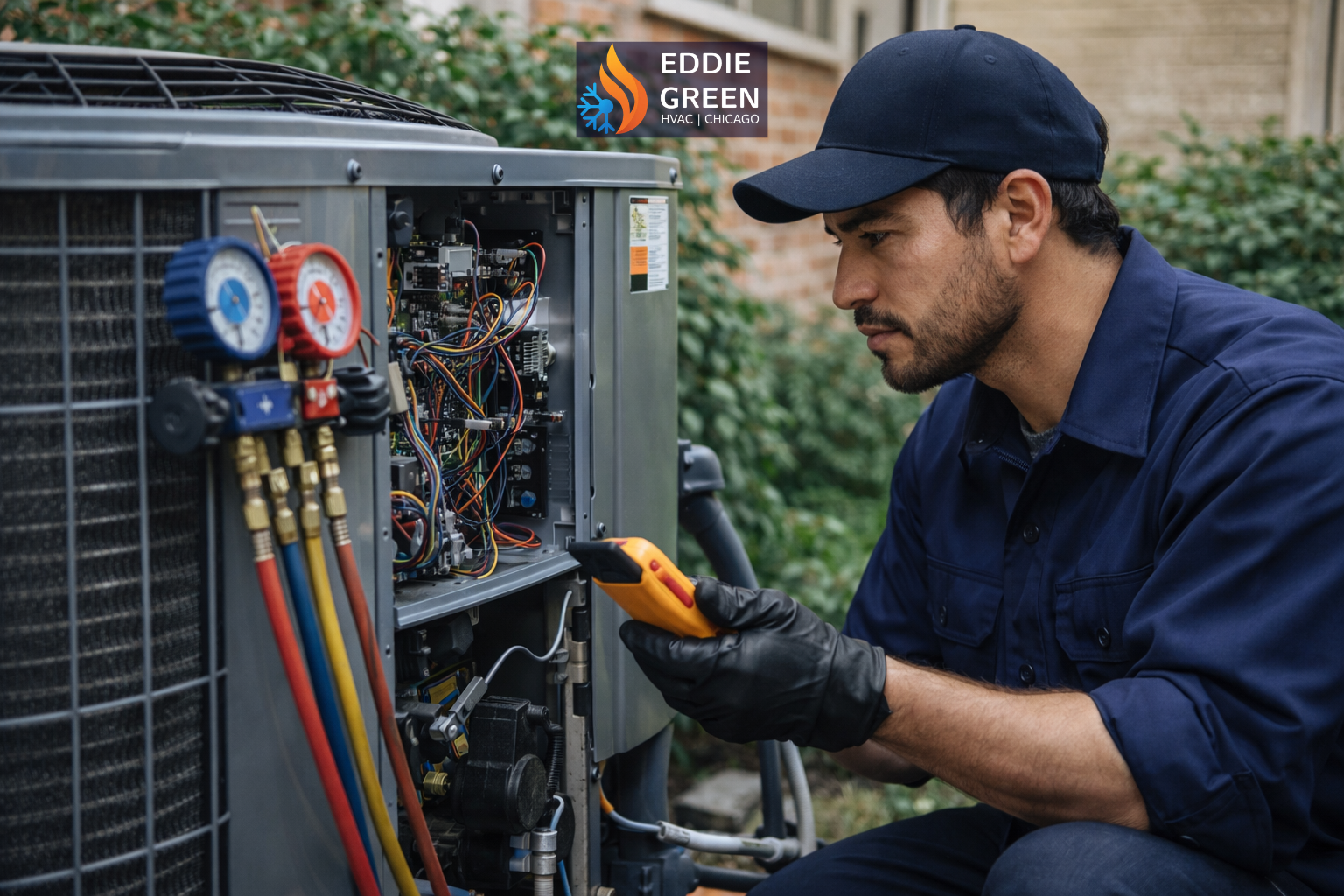
A proper service visit involves more than a quick filter swap. For cooling systems, a technician should check refrigerant levels, inspect electrical components, clean coils, examine the condensate drain, and test thermostat operation. For heating systems, inspections usually include checking burners, ignition, safety controls, airflow, and reviewing the heat exchanger or boiler, depending on the system type.
Comprehensive maintenance should also include checking belts, fan motors, contactors, and visible wiring. These might seem minor, but they're crucial for system reliability. If a technician spots an issue, fixing it early can prevent bigger failures later on. That's why thorough, unrushed professional service is essential.
Air filters, coils, and drainage
Filters and coils need regular cleaning as they directly impact airflow and heat transfer. A clogged filter can restrict circulation, strain the blower, and reduce comfort. Dirty evaporator and condenser coils can also reduce efficiency and stress the system. During maintenance, these parts need careful checking and cleaning.
Drainage is another critical area often overlooked. Condensate lines can clog with algae or debris, leading to water damage, mold, or shutdowns. Regular service prevents these problems, especially in humid climates or frequent-use systems. If your system has faced drainage or moisture issues repeatedly, a technician might suggest more frequent inspections.
Seasonal performance testing
After cleaning and inspection, a technician should test your system under operating conditions to ensure everything's working properly. This includes checking temperature differences, airflow, startup behavior, and safety responses. Testing is crucial because a system might look fine, but underperform when running.
Seasonal testing also helps confirm if your system is ready for the coming workload, which is especially useful before the first hot or cold spell, when repair demand peaks. If your system struggles despite maintenance, it might be time to discuss replacement options like residential AC installation or residential furnace installation.
How Often to Change Filters and Do Simple Home Checks
Filter replacement every 1 to 3 months
Wondering if HVAC service means changing filters? Not quite, but filter care is a simple way to protect your system between professional visits. Generally, check filters monthly and replace them every one to three months, depending on your home's conditions. If you have pets, smokers, allergies, or lots of dust, you may need more frequent changes.
Clean filters help maintain airflow, protect internal components, and support better indoor air quality. If unsure about the best interval, start by checking the filter more often and adjust based on how quickly it gets dirty. This simple routine can prevent many service calls.
Monthly visual inspections
Between professional tune-ups, a quick visual inspection can spot early warning signs. Look for dirt buildup around vents, ice on refrigerant lines, water near the indoor unit, and unusual smells when the system starts. Also, listen for rattling, scraping, or buzzing noises, as these can indicate loose parts, airflow issues, or electrical trouble. Our article on strange HVAC noises explains which sounds need immediate attention.
You don't need to diagnose every issue yourself, but noticing changes early can shorten repair time and reduce damage. These small checks are especially valuable during high-demand seasons, when early intervention can make a big difference.
Smart thermostats and usage tracking
Modern thermostats and connected controls can help you spot maintenance needs by showing runtime patterns, temperature swings, and unusual cycling. If your system suddenly runs more than normal, or if your thermostat data shows poor temperature recovery, it might signal a maintenance issue. Smart HVAC tools aren't a service replacement, but they can help you make smarter scheduling decisions.
If you're interested in a more connected approach to home comfort, check out our expert guide to smart HVAC systems. Technology makes monitoring easier, but it still works best with regular professional care.
Seasonal Service Timing: Spring and Fall
Spring maintenance for cooling systems
Spring is perfect for getting your air conditioner ready for summer. A pre-season visit allows a technician to clean coils, check refrigerant levels, inspect electrical parts, and test cooling performance before the heat hits. If issues arise early, you can plan repairs on your schedule instead of during a summer emergency.
Spring maintenance also boosts efficiency before cooling demand spikes. Addressing dust, debris, and worn components early puts your system in better shape for the season. That can help avoid the frustration of an AC unit that works fine in mild weather but fails when outdoor temperatures soar.
Fall maintenance for heating systems
Fall service is just as important because heating systems need to be reliable before winter. A technician should inspect burners, heat exchangers, ignition systems, and safety controls, then ensure the system delivers heat evenly. This is crucial for furnaces and boilers, where safety and combustion performance matter.
For homes with hydronic heat, a pre-winter check can greatly improve performance. If you rely on boiler-based heat, our spring boiler check guide and residential boiler repair resources offer helpful inspection, pressure, and leak prevention tips.
Why Chicago’s Climate Makes HVAC Service Even More Important
Hot, humid summers and cold winters
In areas with strong seasonal swings, HVAC systems face more stress. Summer humidity increases cooling demand, and winter cold puts a heavy load on heating equipment. In such conditions, consistent service isn't just nice to have; it's essential for comfort and reliability. Systems in harsh climates benefit most from scheduled seasonal checks.
Chicago homeowners and property managers get this. Temperature swings can be dramatic, and poorly maintained equipment can struggle to keep up. Whether you own a home or manage a small business, seasonal service helps avoid uncomfortable downtime. For local planning, our Chicago HVAC service area page is a good starting point to understand the regional support available.
Local building demands and older equipment
Urban and older properties often have HVAC systems facing unique conditions, like aging ductwork, limited ventilation, or modified equipment. These properties can be more vulnerable to airflow imbalance, noise, and efficiency loss. Regular service spots these issues early and lets technicians recommend practical improvements instead of waiting for a failure.
Local contractors familiar with regional conditions can also tailor maintenance to the property. That might mean paying closer attention to boiler pressure, freeze protection, drainage, insulation, or rooftop system exposure. In places like Chicago, a one-size-fits-all maintenance plan usually isn't enough.
How HVAC Contractors Can Turn Maintenance Into Better Service
Maintenance packages build trust
For HVAC contractors, maintenance is a great way to build long-term customer relationships. A clear seasonal maintenance package helps clients understand what's being done, when it will happen, and why it matters. This transparency boosts trust and makes it easier for customers to stay on schedule. It also creates opportunities to educate homeowners before problems arise.
When clients see their contractor focusing on prevention rather than just emergency repairs, satisfaction tends to improve. Maintenance appointments also offer a natural chance to discuss upgrades, replacement planning, or indoor air quality improvements. For contractors serving small businesses, our commercial HVAC installation page highlights the type of long-term planning that often starts with strong maintenance habits.
Preventive care reduces callback volume
Maintenance isn't only good for customers; it benefits contractors, too. Properly serviced systems mean fewer emergency calls, fewer repeat visits for the same issue, and fewer avoidable failures during peak season. This leads to more predictable scheduling and a better overall service experience for everyone involved.
The facilities case study mentioned earlier reminds us that prevention can outperform delay. For contractors, educating clients about the true cost of skipped maintenance can improve retention and reputation. A well-maintained system usually reflects a well-managed service relationship.
When to Call for Service Sooner Than Scheduled
Warning signs you should not ignore
Even if you follow a seasonal schedule, some symptoms mean you need immediate service. Watch for short cycling, weak airflow, uneven room temperatures, water leaks, burning smells, or unexplained rising energy bills. These issues might indicate clogged filters, faulty parts, low refrigerant, electrical problems, or airflow restrictions.
If your system makes loud noises or fails to start, don't wait for the next maintenance window. A quick inspection can prevent damage from spreading. The longer a stressed system runs, the more likely it is to suffer component failure. If repair is no longer the best option, our guides on when to replace your furnace and new installation options can help you decide on the next steps.
After renovations, storms, or power events
Some events justify an extra maintenance visit even if your regular schedule is current. Renovation dust can clog filters and coat components. Severe storms might affect electrical systems, outdoor equipment, or drainage. Power surges can also damage controls or cause unusual behavior. In these cases, a service appointment is a smart precaution.
If your system has faced unusual conditions, it's better to check performance than assume everything's fine. Small problems are often easier to fix before they impact the whole system. This is especially true for properties that depend on reliable comfort daily.
Simple HVAC Maintenance Checklist for Homeowners
What you can do between service visits
- Check and replace filters every 1 to 3 months.
- Keep supply and return vents clear of furniture and debris.
- Ensure the outdoor unit is free from leaves, grass, and obstructions.
- Watch for unusual noises, smells, or temperature swings.
- Confirm thermostat settings and battery status if applicable.
- Keep records of service dates, repairs, and filter changes.
This checklist won't replace professional maintenance, but it can help keep your system in better shape between visits. A few minutes each month can reduce strain, improve airflow, and help you spot issues before they become urgent. Consistency makes the difference.
When to schedule the next visit
A practical rule is to book HVAC maintenance before the peak season starts. Schedule cooling service in early spring and heating service in early fall. If your system is older or heavily used, consider extra inspections or more frequent filter checks. The goal is to stay ahead of problems rather than react to them.
If you're unsure where to begin, a professional can help create a custom maintenance plan based on equipment age, system type, and household needs. This approach is often the best way to protect efficiency and extend service life.
Final Thoughts: The Best Maintenance Schedule Is the One You Stick To
So, how often should you service your HVAC system? For most properties, the answer is twice a year, with seasonal visits in spring and fall. This schedule supports energy efficiency, extends equipment life, improves indoor comfort, and lowers the risk of surprise breakdowns. Depending on your system's age, usage, and environment, you might need additional filter changes or more frequent inspections.
Regular maintenance is one of the easiest ways to protect a major home investment. It gives you time to catch small issues, plan repairs thoughtfully, and keep your heating and cooling systems running well when you need them most. Whether you need routine service, troubleshooting, or help deciding between repair and replacement, Eddie Green HVAC is here to assist.
Ready to implement a better maintenance plan? Contact us today to schedule service and keep your system ready for the upcoming season. A little preventive care now can save you a lot of stress later.