The Ultimate Guide to Seasonal AC and Heating Maintenance
Taking care of your HVAC system as the seasons change is essential for keeping your home comfy, cutting down on energy costs, and making sure your equipment lasts longer. This guide will walk you through what to look for in spring and fall, how to catch early warning signs, and which tasks are best left to the pros. We’ll cover what your AC and heating systems need, offer year-round tips, and give you checklists so you can handle maintenance like a pro. Whether you own a home or manage a building, this article will give you practical steps to keep things running smoothly.
Before we dive in, if you're looking for a hassle-free way to get seasonal inspections and priority repairs, check out our residential furnace and AC preventative maintenance plans. And if you hit a snag with your AC during those hot summer months, our team is ready to jump in with residential AC repair. These services are here to back up the tips in this post.
Why Seasonal HVAC Maintenance Is Important
Keep Comfortable and Avoid Breakdowns
Seasonal maintenance helps you dodge those annoying and costly breakdowns when you need your HVAC most. When your AC kicks on for summer or your heater ramps up for winter, small problems can become big ones fast. Regular check-ups catch things like failing parts, refrigerant leaks, blocked filters, and ignition problems before they cause major headaches. Consistent maintenance is like an insurance policy against sudden breakdowns.
Save Energy and Cut Costs
Regular maintenance also helps you save on energy. It’s said that routine HVAC care can lower energy bills by about 20% and cut repair costs by up to 70% compared to emergency fixes. This comes from a system that runs better—clean coils, the right amount of refrigerant, and well-tuned controls all help your HVAC work less to keep you comfy. For both homes and businesses, a little preventative care can lead to big savings on monthly bills.
Health, Safety, and Regulations
Beyond comfort and savings, maintenance keeps indoor air quality good and systems safe. Dirty filters, moldy coils, or cracked heat exchangers in furnaces can be more than just performance issues; they can be health risks. Professional technicians make sure everything’s working safely, ventilation is good, and systems meet safety standards. For more on indoor air quality and health tips, the EPA's Indoor Air Quality pages are a great resource.
Spring: What Your AC Needs
Check Cooling Performance
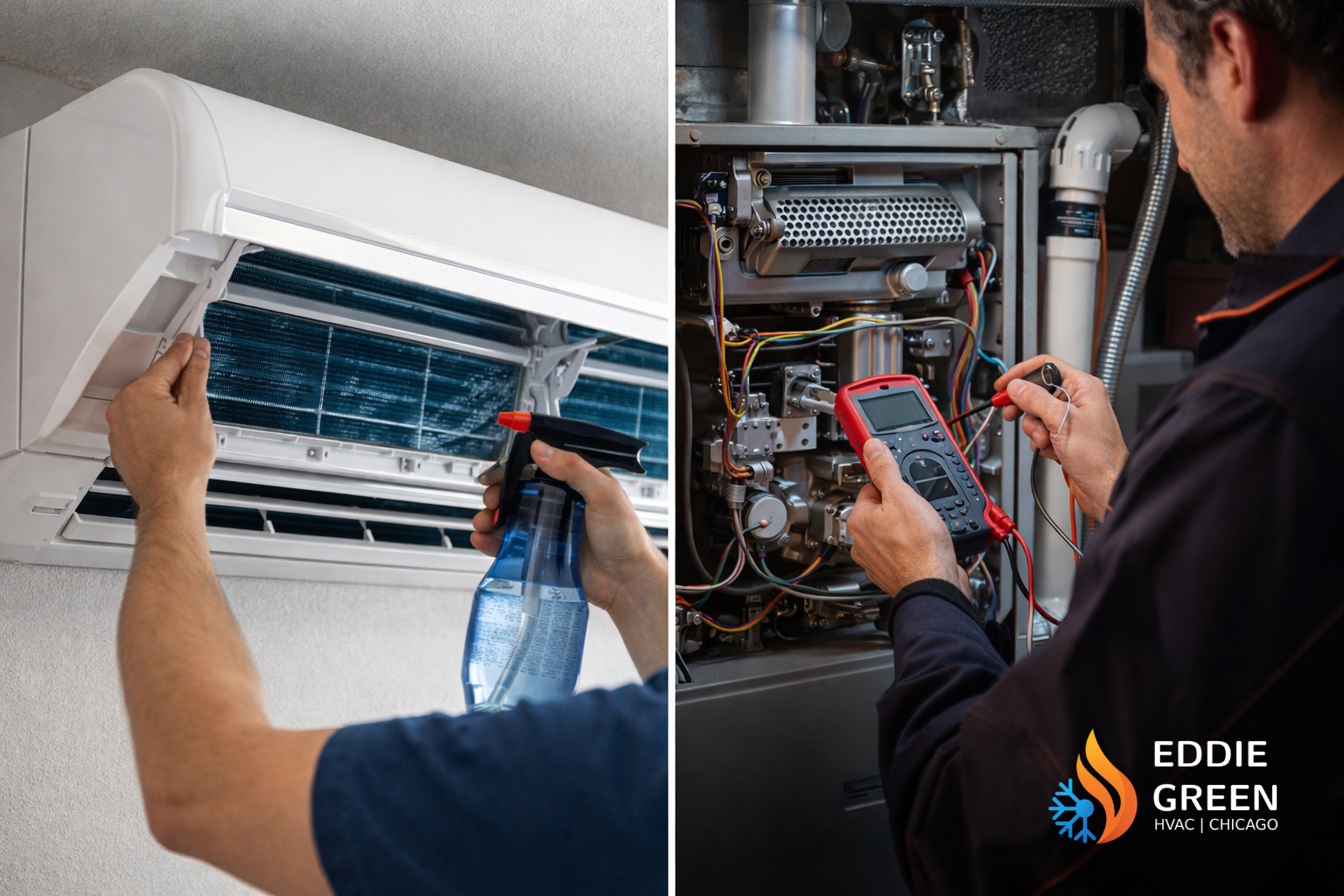
Spring is the time to get your air conditioner ready for the hot summer. Techs should check the refrigerant level, test how the compressor is working, and make sure the airflow meets the manufacturer’s specs. If your AC is low on refrigerant or the compressor isn’t working efficiently, it will struggle when it gets hot out, leading to longer run times and higher energy bills. Catching these issues early keeps you comfortable when it’s scorching outside.
Clean Those Coils and Clear Debris
Outdoor condenser units collect dirt, leaves, and other debris during winter and spring. Cleaning them up helps the system get rid of heat efficiently, so it can cool your home properly. Techs will also check the fan motors and drains to avoid blockages and corrosion. And for homeowners, make sure to keep plants and other obstructions at least two feet away to promote airflow and prevent wear and tear.
Airflow, Filters, and Duct Checks
Good airflow is key to effective cooling. During spring maintenance, replace filters, check return and supply registers, and look for duct leaks or disconnections. Poor airflow can lead to other problems, such as frozen coils, inefficient cooling, and uneven room temperatures. If you suspect airflow issues, call in the pros to test pressures and suggest fixes or a duct sealing plan.
Fall: What Your Heater Needs
Furnace and Heat Exchanger Check
Before it gets cold, your furnace needs a full safety and performance check. Techs will inspect the heat exchanger for cracks, test limit switches, check ignition sequences, and ensure proper venting. A cracked heat exchanger can let harmful gases like carbon monoxide into your home, so catching this early is crucial for safety. Doing these checks in the fall reduces the risk of your heating system failing in the cold.
Boilers, Hydronics, and Pressure Systems
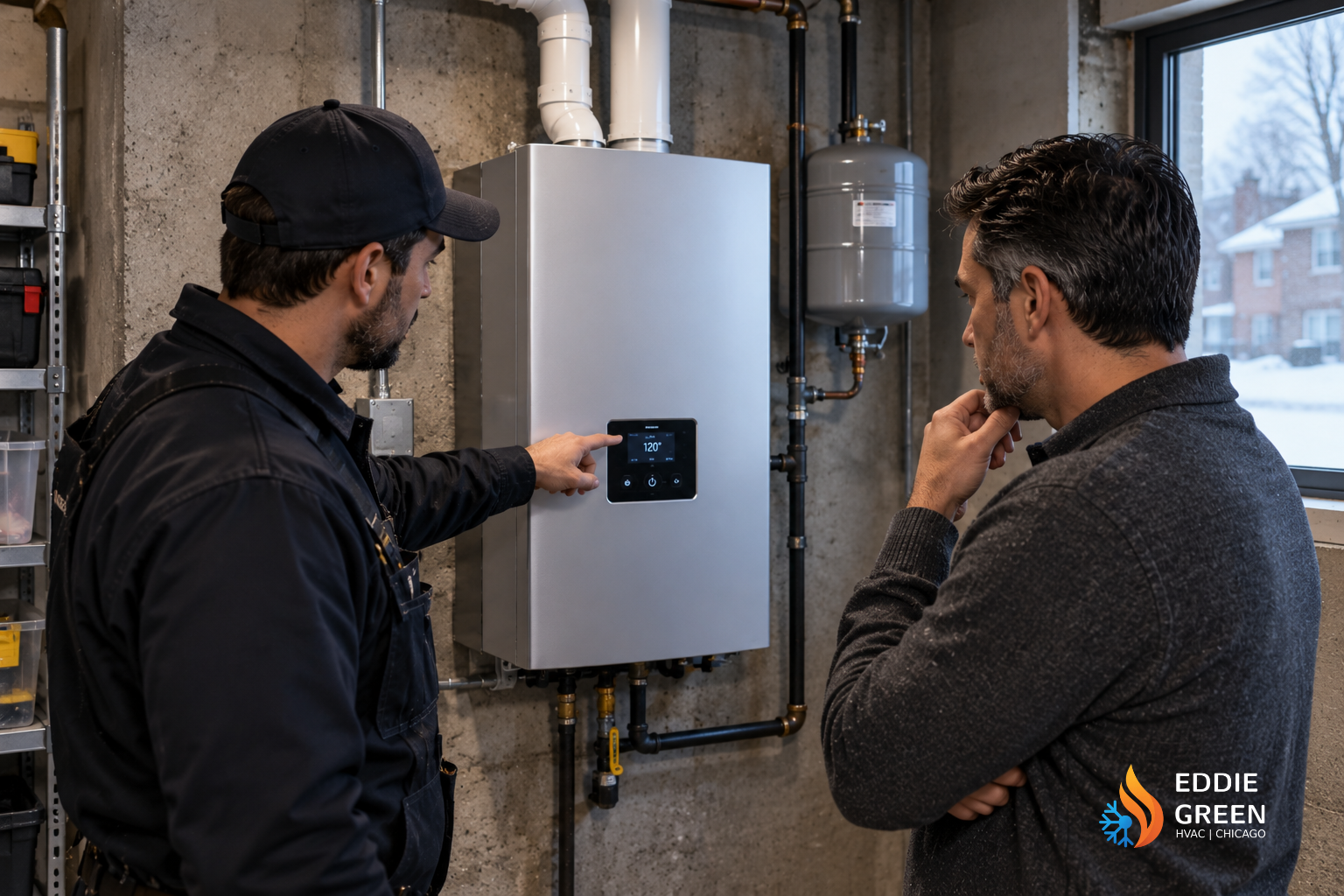
If you have a boiler or hydronic heating, pay attention to pipes, valves, and pressure controls. Checking tanks, bleed valves, and pressure regulators prevents leaks and improves heat distribution. If you have a boiler, our residential boiler repair info can help you spot issues and keep your system running longer. Proper maintenance reduces the need for emergency repairs and improves response when the heating season starts.
Gas Lines, Burners, and Combustion
Check combustion systems for gas leaks, clean burners, and ensure proper flame characteristics. Techs measure efficiency and adjust fuel delivery to ensure safe operation. A well-tuned burner uses fuel more effectively and minimizes soot buildup, improving heat transfer. Fall inspections optimize heating and ensure safety standards are met.
Year-Round Tips and Trends
Regular Service Plans
Experts suggest at least two maintenance visits each year, one in spring and one in fall. This matches seasonal demands and gives a chance to tune up and prevent issues. Regular service plans often cover filter changes, safety checks, lubrication, and priority repair scheduling. Especially in places with big temperature swings, these plans reduce downtime and costs over time.
Sustainable Options and Heat Pumps
The HVAC world is moving towards heat pumps and systems compatible with renewable energy. Heat pumps handle both heating and cooling and work efficiently even in cold areas. Switching to these systems can reduce carbon footprints and often qualifies for incentives. For more on sustainable upgrades and benefits, check out industry literature and manufacturer resources.
Smart Controls and Monitoring
Smart thermostats and monitoring tools give real-time insights into system performance. They can alert you to unusual run times, needed filter changes, or potential failures, helping with proactive maintenance. Adding diagnostics to service plans reduces unnecessary trips and targets repairs more precisely, saving time and money. Pairing smart controls with service plans can maximize comfort and efficiency.
AC Troubleshooting: What to Watch For
Weak Cooling or Short Cycling
Weak cooling or short cycling can be due to airflow restrictions, refrigerant issues, or oversized equipment. Techs measure pressures and test airflow to diagnose the cause. Solutions might include changing filters, cleaning coils, fixing duct leaks, or rebalancing refrigerant. Addressing short cycling promptly prevents compressor damage and restores efficiency.
Strange Noises and Vibration
Grinding, squealing, or rattling noises usually mean mechanical stress, worn bearings, loose mounts, or fan imbalances. Regular inspections catch these early; lubricating motors, tightening mounts, or replacing parts can restore quiet operation. If you hear strange sounds, get a professional check to avoid bigger repair bills later.
Refrigerant Leaks
Refrigerant leaks lower cooling capacity and can harm the compressor. Techs use tools to find leaks, fix them, and recharge the system per regulations. With a shift to low-impact refrigerants, handling them right is crucial. Licensed professionals should manage refrigerant work to ensure compliance. If you're considering new installs, discuss refrigerant options and future rules with your contractor.
Heating Troubleshooting: Common Issues
Uneven Heat and Cold Spots
Uneven heating often means duct leaks, air balance problems, or faulty zone controls. Techs test airflow, inspect dampers, and check thermostat placement to find the cause. Fixes might include sealing ducts, rebalancing registers, or upgrading controls for better distribution. Solving these issues improves comfort and cuts energy waste.
No Heat or Intermittent Operation
If heating systems aren't reliable, common causes include ignition failures, bad thermostats, or fuel supply issues. Techs check electrical parts, gas valves, and safety interlocks to diagnose the problem. Many fixes are straightforward, replacing thermostats, servicing igniters, or adjusting pressure, but thorough checks prevent ongoing issues.
Carbon Monoxide Safety
Carbon monoxide is a serious risk with combustion heating. Regular checks of ventilation, heat exchangers, and exhaust systems help prevent CO leaks. Install and maintain CO detectors as per guidance and local codes. If an alarm goes off, evacuate and contact emergency services. Maintenance and professional testing are your best defense against CO hazards.
Case Studies and Real Examples
Chicago Hotel Upgrade: Cutting Leaks and Boosting Efficiency
A Chicago hotel retrofit that replaced old fittings and tightened connections cut leaks by 40%, according to maintenance logs. This lowered water and heating losses, reduced service calls, and improved system reliability during peak times. This shows how targeted upgrades can be a key part of a bigger preventative strategy.
Quarterly Maintenance for Commercial Systems
In cities with big seasonal swings, commercial HVAC systems often do well with quarterly maintenance. This lets techs address wear on rooftop units, recalibrate controls after each season, and ensure backup for critical systems. For property managers, these programs protect tenant comfort and reduce costly downtime during extreme weather.
Homeowner Savings from Routine Care
Homes with a twice-yearly maintenance schedule usually see lower repair costs over time. Industry estimates suggest 30% to 50% cuts in overall repair costs. With efficient tuning and filter management, homeowners also save on utility bills and have fewer emergencies. These results justify the modest annual cost of regular maintenance.
Your FAQs and Troubleshooting Guide
Can I Skip Annual Service if Everything Seems Fine?
Skipping service isn't a good idea. Hidden issues can lower efficiency or cause early failures even if everything seems okay. Regular inspections catch early-stage problems, such as loose connections or worn parts, that are cheaper to fix when found early. Preventive care reduces the risk of major repairs down the line.
Is It Too Late for Service in Summer or Winter?
It's best to schedule early in the season for convenience, but getting service in peak season is better than skipping it. Many contractors offer emergency services during busy times, and some have priority scheduling for maintenance plan members. If you have problems mid-season, call for service quickly to prevent more damage and get comfortable again.
How Do Smart Thermostats Impact Maintenance?
Smart thermostats can cut unnecessary runtime and provide data that helps techs target maintenance better. They also allow remote management and can alert you to unusual behavior like rapid cycling or long run times. They don’t replace physical inspections but enhance preventative efforts and often speed up fixing performance issues.
Next Steps: Building Your Maintenance Plan
Your Seasonal Checklist
Make a simple checklist for spring and fall. In spring, clean condenser coils, check refrigerant and system performance, and replace filters. In the fall, check furnace combustion, inspect heat exchangers, and verify hydronic system pressure. Keep records of service visits, filter changes, and repairs to track system health and make informed decisions about repairs or replacements.
Finding a Good Contractor
Choose a contractor who offers clear work scopes, transparent pricing, and good support during peak seasons. Look for licensed techs with certifications and good local references. If you’re managing larger properties, consider a commercial service provider experienced in preventative programs. If you're in the Chicago area and need help, our commercial and residential teams are ready to learn more about our commercial HVAC installation options and how planned service supports reliability.
When to Think About Replacement
If repairs are frequent or efficiency drops despite regular care, consider replacement options. New high-efficiency AC units, heat pumps, and furnaces often cut costs and offer better controls. Look into incentives for efficient equipment and consult an HVAC pro for a cost analysis. Sometimes, a targeted upgrade like switching to a heat pump or improving ductwork offers a better return than endless repairs.
Wrapping Up and What To Do Next
Seasonal HVAC maintenance is key if you want to stay comfortable, safe, and save money. By sticking to a regular spring and fall service routine, tackling common issues early, and embracing tools like smart controls and heat pump tech, you can protect your investment and cut operating costs. For those in areas with big seasonal changes, a structured maintenance plan ensures reliable performance all year.
If you’re ready to start a maintenance plan or need service, Eddie Green HVAC offers trusted local expertise. Schedule maintenance through our residential AC installation services, or contact us for fast residential furnace repair. For more on maintaining energy-efficient systems, check out Energy.gov's maintenance guide. If you have concerns about indoor air quality, the EPA's IAQ resources are a great complement to professional HVAC care. Call Eddie Green HVAC at (224) 857-3327 or email us at info@chicagohvacpro.com to book your seasonal check-up and keep your system at its best.
Ready to enjoy comfort and save on energy? Schedule your spring or fall check today and join other homeowners who benefit from regular maintenance. Our team is here to help you create a tailored maintenance plan that fits your needs.