Why Your HVAC System Makes Strange Noises and When to Be Concerned
Introduction: Why HVAC Noises Matter
Why Sounds Are an Early Warning
If your HVAC system is making weird noises, it might be trying to tell you something. A quiet system usually means everything's running smoothly. But if you start hearing banging, hissing, buzzing, or squealing, it could mean something's not right inside. Catching these noises early can prevent bigger problems later on, keep your home comfy, and even extend the life of your equipment. Treat these sounds as clues, and you might save some cash and hassle.
What You’ll Learn in This Guide
This guide will help you understand common HVAC noises, what might be causing them, and what you can do about it. You'll get some do-it-yourself maintenance tips and learn about noise-reducing tech to keep your home peaceful. The idea is to give you the confidence to know when a noise is just a quirk and when it means you need to call in the pros. We’ll also throw in some real-life examples to show how these tips play out.
Quick Maintenance You Can Start Today
Before diving into the details, do a quick check: swap out the air filter and take a look at the ductwork and vents. A clogged filter or blocked vent is an easy fix for many noise issues. If you’re more of a "leave it to the experts" person, think about getting a tune-up from us. Our residential furnace and AC preventative maintenance services are just what you need. For more on saving energy and basic maintenance, check out the DOE's HVAC maintenance guide.
Common HVAC Noises and Their Likely Causes
Banging or Clanking
Hear a banging or clanking? It might mean something's come loose or broken inside. Fan blades could be bent, or debris might be stuck in the blower. If it’s coming from the outdoor unit, a loose compressor or bolts could be the culprit. If you hear these noises, turn off the system and call a technician—running it could make things worse.
Whistling or Hissing
Whistling or hissing sounds often mean airflow problems or pressure leaks. A clogged filter or a gap in the ductwork can cause these noises. Hissing might also be a sign of a refrigerant leak, especially near the evaporator coil. If hissing comes with a loss in performance, it’s a strong cue to stop using the system and get it checked.
Buzzing or Humming
Buzzing or humming noises usually relate to electrical issues. It could be loose connections, failing capacitors, or malfunctioning relays. Motors struggling to start may hum louder. Because electrical issues can be risky, it’s best to get a professional to check things out.
Squealing or Screeching
Squealing often points to worn belts or failing motor bearings in older systems. If your system uses belts, they might be loose or glazed. Bearings wearing down can also cause high-pitched screeches. Replacing these parts can keep things quiet and prevent further damage.
Clicking
Clicking sounds are usually normal when starting up or shutting down. But if it’s repetitive, it might mean trouble with the ignition in furnaces, a weak blower relay, or control board issues. Pair clicking with failure to start, and it’s time to bring in a pro.
Other Unusual Sounds
Rattles, pops, gurgles, or rumbles might come from loose panels or ductwork expanding and contracting with temperature changes. Water flow noises in boilers suggest a different issue that should be checked by someone familiar with those systems.
How to Diagnose HVAC Noises: Safe Steps You Can Take
Safety First: Power and Gas Considerations
Always think safety first. Turn off the system and switch off breakers before checking inside. If you smell gas or notice burning, leave the home and call emergency services and a technician. Use your senses—look and listen, but don’t touch wiring or moving parts if you're not trained.
Listening Tests: Where to Stand and What to Note
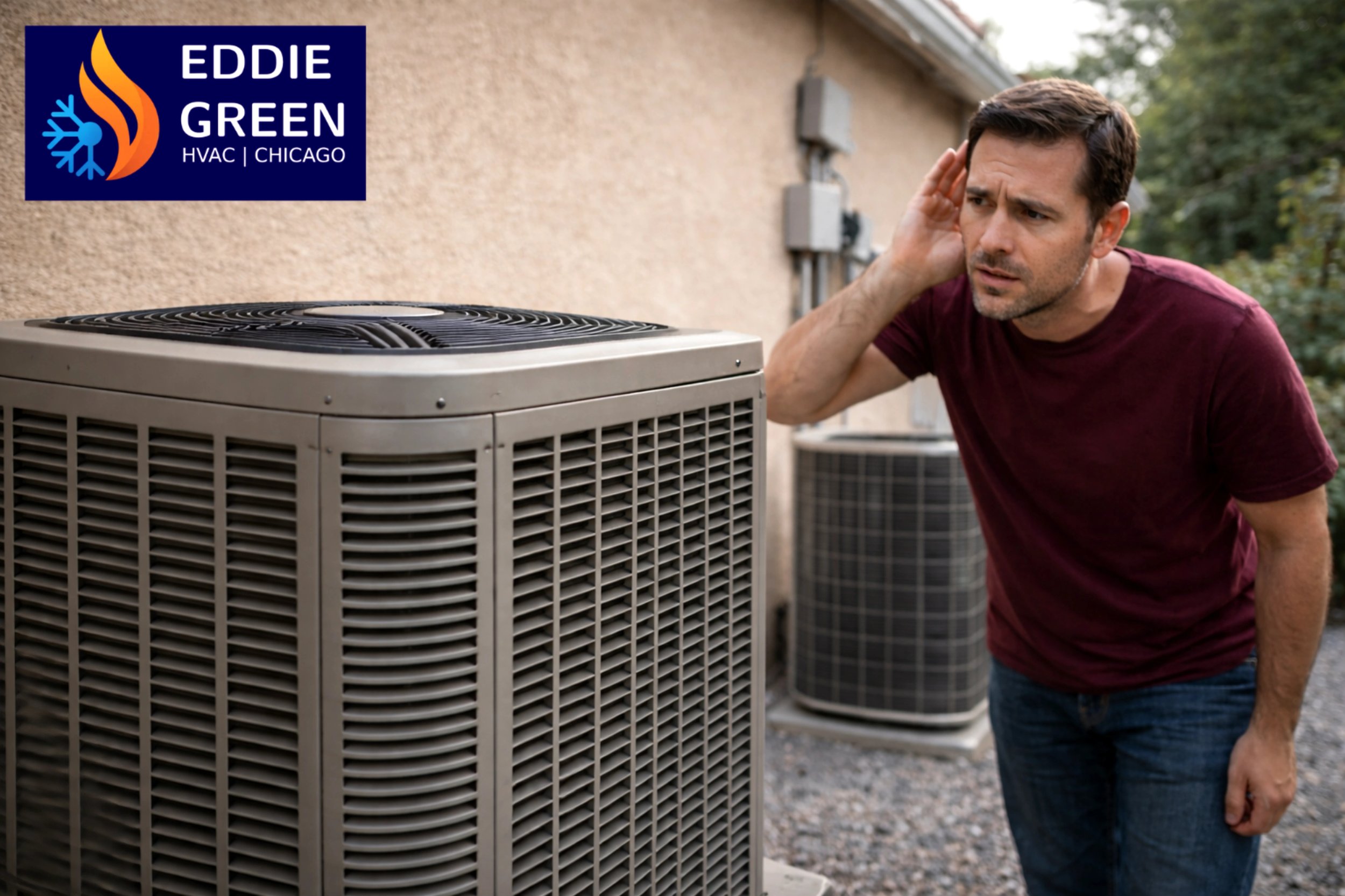
When you hear a noise, note when it happens: startup, running, or shutdown. Stand near the air handler and then the outdoor unit to figure out where the sound is coming from. Write down what you hear to help the technician diagnose the issue faster.
Tools and Techniques for Basic Diagnosis
You don’t need fancy tools to start diagnosing. A flashlight, camera, and notepad can do wonders. Pictures and sound recordings are super helpful for technicians. If you want to get more into it, pros use tools like gauges and thermal imaging to spot problems.
When to Record and Share Observations
Record any recurring noises with your phone and note the conditions—like temperature and humidity—when they occur. Sharing these with your service provider before their visit can speed up the repair process.
DIY Fixes and Routine Maintenance to Reduce Noises
Filter Replacement and Basic Airflow Checks
Replacing filters every month or so is an easy way to cut down on noise and keep things running smoothly. Dirty filters make the blower work harder, which can cause noise. Check filters monthly, especially in heavy use seasons.
Clearing Debris and Securing Loose Panels
Outdoor units can get noisy with leaves and sticks. Keep a clear space around them and check for debris. Secure any loose panels to stop vibrations. These steps can help reduce noise and prevent damage.
Belts, Bearings, and Lubrication
Check belts regularly if your system uses them. Replace any that look worn and check bearings for play or noise. Lubricate only if specified by the manufacturer. Modern systems often need professional care, so when in doubt, call a technician.
Duct Sealing and Vent Adjustments
Leaky ducts can cause whistling and reduce performance. Seal small gaps with mastic or foil tape. Adjust vents to balance air pressure and reduce noise. For more serious issues, a professional can help seal and balance the ducts.
When DIY Isn’t the Right Choice
DIY is fine for simple maintenance like filter changes, but leave refrigerant, electrical, or gas repairs to the pros. Handling refrigerant requires certification, and electrical work can be dangerous. Always call a professional for these tasks.
When to Call a Professional Technician
Signs of Reduced Performance and Rising Bills
If unusual noises come with less heating or cooling, higher bills, or frequent cycling, the system might be struggling. These signs, along with noise, often mean it's time for a professional diagnosis.
Electrical Smells, Smoke, or Persistent Buzzing
If buzzing comes with burning smells or smoke, turn off the system and get emergency help. Such signs indicate serious issues like overheating or short circuits.
Refrigerant Leaks and Compressor Failures
Hissing and poor cooling suggest a refrigerant leak, which can lead to compressor issues if not addressed. Only certified technicians should handle refrigerant repairs.
Warranty, Code, and Safety Considerations
Many warranties require professional service for repairs and maintenance. Attempting DIY on qualified repairs can void your warranty. Always check and stick to local codes when it comes to these fixes.
Noise Reduction Technologies and Upgrades
Sound Attenuators and Duct Silencers
Installing sound attenuators in ducts can reduce noise by absorbing sound energy. They work well in both residential and commercial settings. Consider consulting an HVAC pro for the best placement.
Vibration Isolators and Pads
Vibration isolators prevent vibrations from traveling into walls and floors. Mounting pads under outdoor units can reduce rumble. These are cost-effective upgrades often installed during repairs.
Variable-Speed Motors and Smart Controls
Variable-speed motors reduce noise by running at lower speeds. Smart thermostats can help manage cycles smoothly, making them a good investment for quieter operation.
Insulation, Duct Redesign, and Quality Installation
Properly sized and insulated ducts, along with quality installation, are key to a quiet system. Redesigning or lining ductwork can solve noise issues. Work with experienced installers to get it right.
Industry Standards and Guidance
Standards from groups like ASHRAE help maintain good performance and acceptable noise levels in HVAC systems. Check out ASHRAE's resources for more on system design and noise control: ASHRAE.
Chicago-Specific Considerations and Real-World Case Studies
How Chicago’s Climate Stresses HVAC Systems
Chicago's weather swings can stress HVAC systems. Rapid temperature changes can lead to noise from expanding and contracting ductwork. Seasonal tune-ups in fall and spring can catch issues before peak seasons.
2022 Refrigerant Leak Case Study
In 2022, a suburban Chicago homeowner heard hissing from their unit, followed by less cooling. A service call found a refrigerant leak at the compressor, costing around $1,200 to fix. This case shows how early detection and routine service can prevent hefty bills.
Energy Savings and Maintenance Statistics
Regular maintenance can save about 10–15% on energy by keeping systems efficient. This can offset maintenance costs over time, especially during Chicago's long heating season.
Local Solutions and Where to Get Help
If you're in Chicago, consider getting help from local contractors who know the area’s climate challenges. For specialized services like residential boiler repair or residential AC repair, choose licensed providers.
Comprehensive FAQ and Troubleshooting Checklist
How Often Should I Replace My Air Filter?
Most filters need replacing every 1–3 months, depending on your home environment. Homes with pets or smokers might need more frequent changes. Regular replacements help keep noise down and improve airflow.
Can I Safely Fix HVAC Noises Myself?
You can handle basic tasks like changing filters and securing panels. But leave refrigerant, gas, or electrical repairs to certified technicians.
What Does a Professional Diagnostic Include?
Professionals check electrical parts, refrigerant levels, airflow, and ducts. They use special tools to find problems and suggest fixes.
Typical Cost Ranges for Common Noise-Related Repairs
Costs vary: belt replacements might run $150–$400, duct sealing $200–$600, and major repairs over $1,000. Regular maintenance can be cheaper by avoiding big fixes.
Final Troubleshooting Checklist
Before calling a tech, replace the filter, clear debris, secure panels, record the noise, and check thermostat settings. If issues persist, get professional help.
Conclusion: Take Action and Keep Your System Quiet
Summary of Key Takeaways
Strange noises in your HVAC system can mean anything from minor to major issues. Regular maintenance and quick responses to noises can prevent costly repairs. If noises come with performance issues or smells, call a professional quickly.
Next Steps and How We Can Help
Noticed odd noises? Check the filter and do a quick inspection, then call for a professional diagnostic if needed. Eddie Green HVAC offers comprehensive services, including residential furnace repair and residential AC installation. Contact us for an inspection and advice tailored to Chicago homes.
Contact Us and Call-to-Action
If you’re near Chicago and need help with noisy HVAC equipment, call Eddie Green HVAC at +1 (224) 857-3327 or email info@chicagohvacpro.com. We’ll help diagnose and fix the issue to restore quiet comfort in your home. Early action can prevent bigger problems, so don’t wait. For more system maintenance tips, check our article on Annual HVAC Maintenance: What It Really Includes and Why It Matters.
Further Reading and Authoritative Resources
For more in-depth resources, the U.S. Environmental Protection Agency offers guidance on indoor air quality and HVAC maintenance. For technical standards, check out ASHRAE publications at ASHRAE. These resources align safety, efficiency, and comfort.