Heating and cooling can really eat into your budget at home, making your HVAC system a smart place to start if you're looking to save some cash. Did you know that HVAC systems account for about 40–50% of a household's energy use? Even small tweaks can lead to big savings. If you want to cut your utility bills without giving up comfort, a few smart changes can make a big difference.
This guide will show you how to use your HVAC system to lower your energy bills with practical steps, tech-savvy gadgets, and proven maintenance tips. You'll learn about options like preventative maintenance, smart thermostats, and ductwork improvements that all work together to boost performance. For more on cooling efficiency and home energy use, check out the U.S. Department of Energy's guidance at energy.gov.
Why Your HVAC System Affects Your Bills So Much
Heating and Cooling Are Big Energy Users
Your HVAC system works harder than almost any other appliance, especially during those freezing winters and blazing summers. It runs a lot and serves the whole house, so any inefficiency gets multiplied by the hours it operates. That's why upgrading your HVAC often gives faster savings compared to other energy-saving projects.
As per the U.S. Department of Energy, air conditioners account for about 12% of electricity use in U.S. homes, costing billions annually. If your system is dirty, too small, or leaking air, you waste even more energy. If you haven't checked your equipment's condition lately, it might be time to consider whether repairing or replacing would be better for efficiency in the long run.
Comfort and Savings Can Go Hand in Hand
Many think saving on energy bills means keeping your home uncomfortably warm in summer or cold in winter, but that's not true. The most comfortable homes usually have systems that are properly sized, well-maintained, and smartly controlled. When comfort and savings are balanced, you get lower bills without always fighting over the thermostat.
In places with big seasonal changes like the Midwest, your system needs to adapt. A furnace that short-cycles or an AC that struggles with humidity can use more energy and still not keep temperatures even. Think of HVAC efficiency as a whole-home strategy, not just a one-time fix.
Get the Biggest Wins First
Regular Maintenance Stops Problems Before They Start
Regular maintenance is one of the easiest and most cost-effective ways to cut energy waste. A professional tune-up can catch issues like dirty coils, low refrigerant, or airflow problems before they lead to breakdowns. As Time reports, neglecting routine AC maintenance is a common reason systems lose performance.
Seasonal service is key since systems tend to fail during peak demand. A spring AC check and a fall heating inspection help your equipment run efficiently. For a practical schedule, check out our guide on seasonal AC and heating maintenance and consider getting a full tune-up from a trusted HVAC contractor.
Change Dirty Air Filters on Time
One of the simplest and most overlooked ways to improve airflow is by changing your air filter. A clogged filter makes your blower motor work harder and can reduce efficiency by 5–15%. Over time, restricted airflow can lead to frozen coils, overheated parts, and uneven room temperatures.
For most 1-inch filters, changing them every 30 days is a good rule, while thicker 4-inch filters last 3–6 months. Homes with pets, allergies, or more dust might need more frequent changes. If you're seeing higher bills and weaker airflow, check the filter before assuming a major problem.
Keep Vents Open and Unblocked
Furniture, rugs, and curtains can block vents and reduce airflow, making your HVAC system less efficient. When airflow is restricted, rooms heat and cool unevenly, leading to aggressive thermostat adjustments. That cycle usually increases energy use instead of fixing the issue.
Walk through your home and check the supply and return vents. Clear a small space around them so air can move freely. This simple step helps your equipment work less and improves comfort in problem rooms without a major investment.
Use Smart Controls to Cut Waste Automatically
Smart Thermostats Minimize Unnecessary Runtime
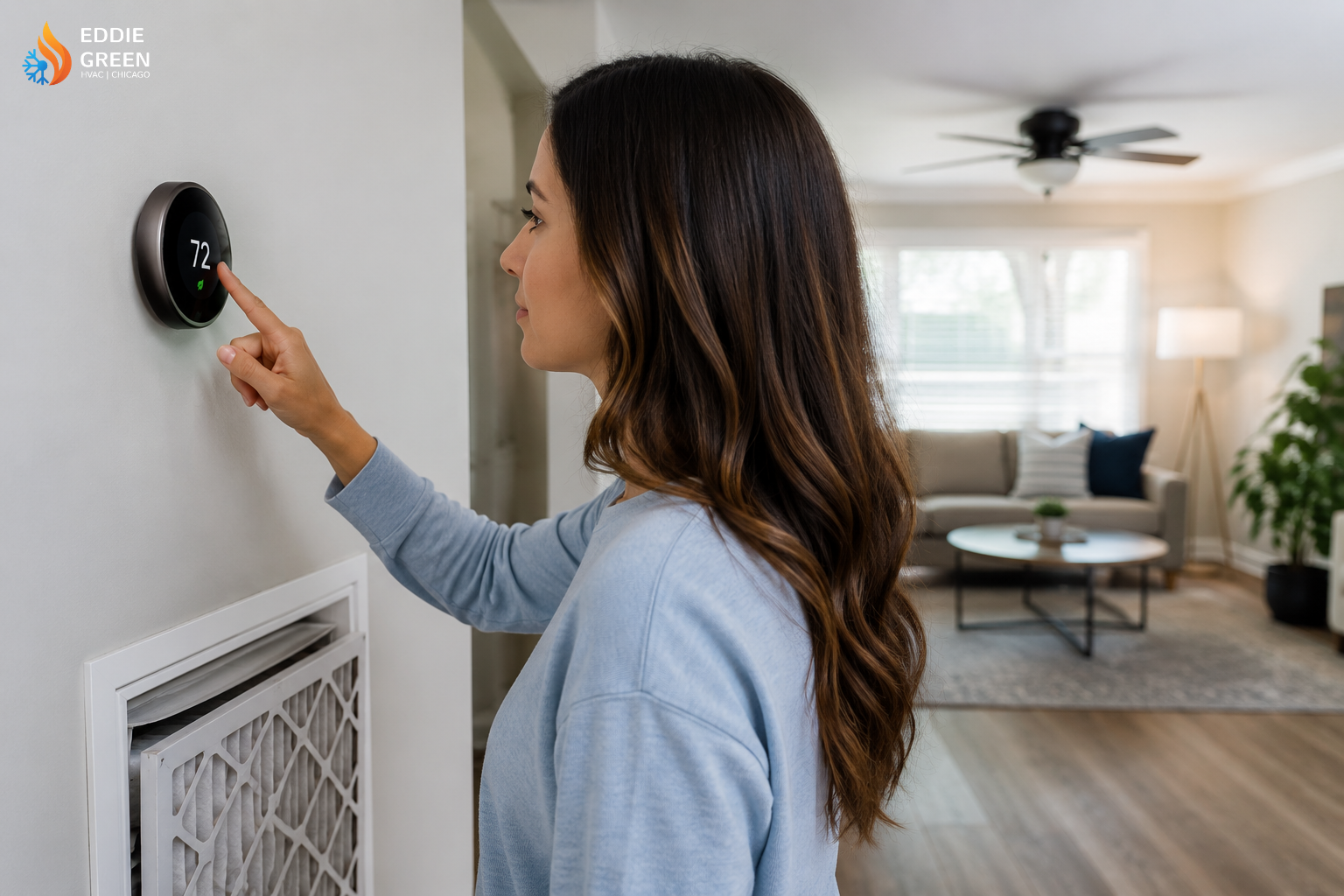
Smart thermostats are popular because they make saving energy easier. They learn your schedule, detect when the house is empty, and adjust temperatures automatically so the system isn't running full force when no one is home. Studies often show savings of up to 8% annually when used consistently.
These savings add up, especially in larger homes or places with irregular schedules. Smart thermostats also help you monitor usage patterns and spot long cycles. If you're considering an upgrade, pair it with professional AC installation or a new furnace setup to ensure everything works together from the start.
Set Realistic Temperature Schedules
The best thermostat settings aren't the lowest or highest possible; they maintain comfort while reducing runtime. In summer, a small increase in indoor temp when the home is empty can cut cooling demand. In winter, lowering the setpoint a few degrees overnight or when away can lower energy use without major discomfort.
Consistency matters most. Frequent manual adjustments can cancel out benefits. If your household has a predictable routine, create a schedule that reflects it and review your utility bills over a few months to see if the changes help.
Use Zoning for Hot and Cold Spots
Zoning can help if one thermostat can't represent every room. By dividing the house into areas, your system directs heating or cooling where needed instead of conditioning the entire home equally. It's useful in multi-level homes, finished basements, and rooms with big windows.
If hot and cold spots are recurring, ductwork, insulation, or system sizing might be the problem. Check if your home could benefit from better duct design and airflow improvements. Fixing the underlying issue can lower energy use more effectively than just changing the thermostat.
Upgrade Parts That Waste the Most Energy
Seal Ductwork Leaks
Leaky ducts are a common reason HVAC systems waste energy. Research and contractor experience show duct losses can account for 20–30% of conditioned air. That means a significant portion of the air you pay to heat or cool might never reach your rooms.
Sealing ducts can improve comfort, reduce the blower's strain, and lower bills. Duct sealing often pays off quickly in older homes or those with ducts running through attics, crawlspaces, or other unconditioned areas. If you suspect ductwork issues, explore how air ducts affect HVAC performance and schedule a professional inspection.
Consider Variable Speed Compressors
Modern HVAC systems are more advanced than older on/off units. Variable speed compressors adjust output to match demand instead of cycling on full power whenever temperatures change. This improves efficiency, reduces temperature swings, and often makes the system quieter.
In practice, your AC or heat pump can run longer at lower output, often more efficiently than short, high-intensity cycles. This approach is useful during mild weather, when a full-power system would waste energy. For many homes, a high-efficiency system can produce long-term savings that justify the upfront investment.
Upgrade to ENERGY STAR®-Rated Equipment
When it's time for a replacement, efficiency should be a major part of the decision. ENERGY STAR® rated appliances meet strict standards that can reduce costs over the life of the system. The Department of Energy suggests evaluating efficiency ratings, system size, and home layout together to avoid overbuying or underbuying equipment.
Choosing a more efficient furnace or air conditioner can also improve resale value and reduce comfort complaints. If your current unit is nearing the end of its life, explore residential furnace installation or residential AC installation to get a system that matches your needs. A well-selected replacement is often more cost-effective than ongoing repairs of an inefficient unit.
Improve Your Home Alongside the HVAC System
Insulation Helps Your System Work Less
Even the best HVAC can't perform well if the home leaks heat in winter or gains it in summer. Better insulation and air sealing stabilize indoor temps so your system doesn't cycle as often. It can make a big difference in both comfort and energy costs.
Attics, basements, rim joists, and attic hatches are common weak points in older homes. If these areas are poorly insulated, conditioned air escapes quickly, and your system works harder. In a city with cold winters and humid summers, improving the building envelope is one of the best ways to cut year-round energy waste.
Strategic Use of Windows, Shades, and Airflow
Simple habits can also help reduce your HVAC system's demand. In summer, closing blinds during the hottest part of the day reduces solar heat gain, especially in south and west-facing rooms. In winter, allowing sunlight in can add warmth and reduce heating load.
Ceiling fans support efficiency, too, though they don't lower the air temperature directly. They help air move across the skin, making rooms feel cooler at higher thermostat settings. This lets you slightly raise your cooling setpoint without losing comfort, which saves energy easily.
Check for Sizing Problems That Waste Energy
An HVAC system that's too large or too small often uses more energy than necessary. Oversized equipment short-cycles, wasting energy, and possibly not dehumidifying properly. Undersized systems run too long, struggle, and wear out faster.
If your system has always felt inconsistent, sizing might be the issue. Manual J calculations and professional load assessments help determine the correct size for your home's conditions. If you're unsure about your setup, read how to tell if your HVAC system fits your home before deciding on a replacement.
Seasonal Priorities for Chicago Homeowners
Spring and Fall Are Prime Times for Service
In Chicago, getting ready for the seasons is crucial because extreme weather can hit fast. Spring is the best time to check cooling equipment before summer heat strains the system, while fall is ideal for prepping heating gear for winter. Staying ahead reduces emergency calls and helps you avoid inefficient operation during the first cold snap or heat wave.
Scheduled service beats waiting until something breaks. A seasonal inspection can uncover refrigerant issues, airflow problems, electrical wear, or thermostat inaccuracies before they get costly. For reliable local support, a maintenance visit from a residential furnace and AC preventative maintenance can help you stay on top of seasonal demand.
Winter Heating Efficiency Matters as Much as Summer Cooling
While AC savings often get the spotlight due to summer spikes, heating costs need attention, too. A dirty, poorly tuned furnace with airflow issues uses more gas or electricity and delivers less comfort. Drafts and insulation gaps worsen the problem by forcing the system to run longer.
If your heating system is older, odd noises, uneven temperatures, or frequent cycling might mean efficiency is slipping. Sometimes a repair restores performance; other times, replacement is more economical. For help with heating issues, residential furnace repair is often the first step before deciding on an upgrade.
Know When Boiler Systems Need Attention
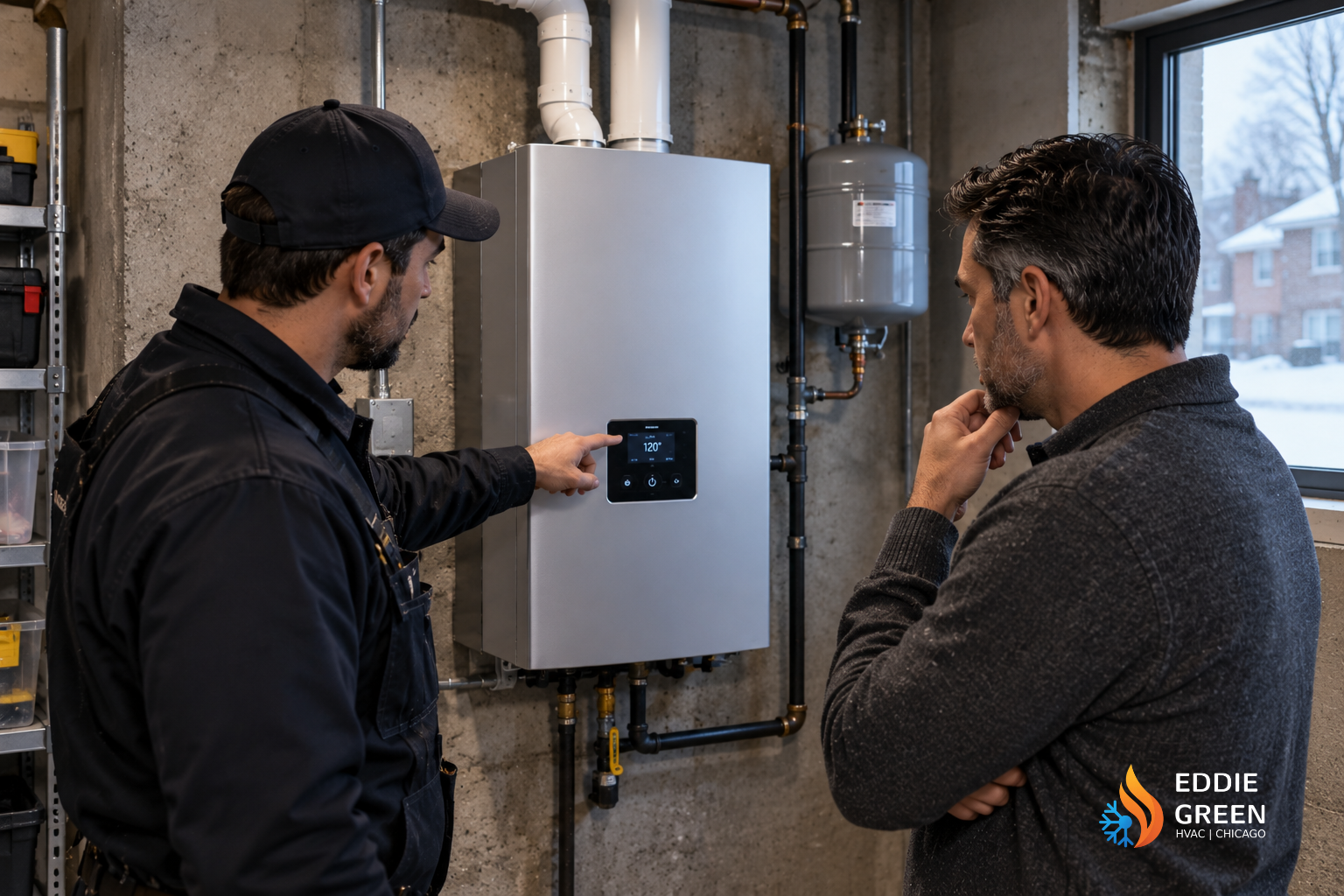
Homes with hydronic heating have their own efficiency needs. Boilers losing pressure, dealing with burner issues, or cycling inefficiently can quietly raise energy use over time. An annual inspection ensures the system transfers heat effectively and safely.
If your home has a boiler, regular service controls operating costs. Consider scheduling boiler repair or a full inspection if you notice slow heating response, pressure changes, or leaks. Hydronic systems are durable but still benefit from proactive care.
Real-World Savings: What These Changes Can Look Like
Residential Example: Thermostat and Duct Sealing
One homeowner saw a 25% drop in energy bills after combining a smart thermostat with duct sealing. That's not unusual when multiple small inefficiencies are fixed together rather than one by one. A smart thermostat reduced unnecessary runtime, while sealed ducts ensured more conditioned air reached the rooms being used.
This shows that HVAC efficiency is often cumulative. Each improvement might save a little individually, but together they can produce meaningful annual savings. Homeowners who combine maintenance, controls, and duct improvements usually get better results than those who rely on a single upgrade.
Commercial Example: Predictive Control Systems
In a large office building, predictive HVAC controls cut energy use by 6% while keeping occupants comfortable. That may not seem like much, but for a big property with high utility costs, the financial impact can be significant. More importantly, the building stayed comfy while using less energy.
The lesson for homeowners is that modern controls aren't just luxury features. They make equipment more responsive, reduce waste, and improve consistency. Even if you don't run a commercial building, the same principles apply at home when smart scheduling and monitoring are used well.
Why Prevention Beats Emergency Repair
Emergency repairs almost always cost more than planned maintenance because they happen when you're stressed and need immediate action. When a system fails during a heatwave or cold front, there's less time to compare options or find the most efficient solution. That's why preventive care pays off in two ways: lower monthly bills and fewer crisis expenses.
If you already notice warning signs like weak airflow, odd noises, or higher-than-normal bills, don't wait for a breakdown. A professional inspection can identify if you need maintenance, repair, or a more energy-efficient upgrade. If you want more insight into warning signs, you might find this guide to spotting HVAC problems helpful.
Common Questions About Lowering HVAC Energy Bills
How Often Should I Replace My Air Filter?
For many homes, 1-inch filters should be replaced every 30 days, while 4-inch filters might last 3–6 months. The right schedule depends on pets, allergies, dust levels, and system use. If the filter looks gray or feels clogged before the recommended interval, replace it sooner.
A clean filter is an easy way to maintain airflow and cut wasted energy. It's also one of the least expensive habits you can build. If you do just one maintenance task this month, check the filter first.
Is Upgrading My HVAC System Worth It?
In many cases, yes, especially if your current equipment is old, inefficient, or frequently repaired. Newer systems often use less energy, improve comfort, and offer better temperature control. Long-term savings can help offset the upfront cost, particularly if your previous system was oversized, leaking, or running with worn components.
The key is choosing the right option for your home, not just buying the newest model. A professional assessment can determine whether repair, partial upgrade, or full replacement is the most cost-effective path. That decision often depends on equipment age, repair history, and overall efficiency.
What's the Fastest Way to Lower Bills Right Now?
If you want quick improvements, start with a clean filter, a sensible thermostat schedule, and a quick vent and register check. Then, schedule maintenance and ask about duct leaks, insulation, and equipment condition. These steps usually offer the best balance of speed, cost, and impact.
For many homeowners, the fastest savings come from combining habit changes with professional service. It's not always about one big purchase. Often, a few small fixes make the biggest difference.
Build a Smarter HVAC Efficiency Plan
Focus on the System as a Whole
Lowering energy bills works best when you treat the home as an interconnected system. Thermostats, ductwork, insulation, filters, and equipment all affect each other. If one part underperforms, the rest have to work harder, raising costs and reducing comfort.
That's why the most effective strategy usually includes maintenance, smart controls, airflow improvements, and targeted upgrades. You don't need to replace everything at once, but you should understand how each part contributes to savings. A thoughtful plan makes every dollar you spend work harder for you.
Choose Upgrades in the Right Order
If your budget is tight, start with the highest-return improvements first. In many homes, that means maintenance, filter replacement, thermostat optimization, and duct sealing before equipment replacement. Once these basics are handled, evaluate if a higher-efficiency system or zoning upgrade makes sense.
Ordering the work correctly prevents overspending on new equipment that still has to compensate for old problems. A professional assessment can help prioritize the fixes that will make the biggest difference. This approach is often the most practical path to steady savings.
Partner with a Contractor Who Gets It
The right contractor does more than repair a broken unit. They help you understand airflow, equipment sizing, maintenance needs, and ways to reduce waste long-term. This kind of guidance is especially valuable when you want your HVAC system to lower bills instead of quietly adding to them.
Ready to boost comfort and cut energy waste? Eddie Green HVAC can help with inspections, maintenance, repairs, and upgrades tailored to your home. From smart thermostat installation to commercial HVAC installation and residential service support, our team focuses on practical solutions that improve performance. To get started, contact us at chicagohvacpro.com or call (224) 857-3327 for expert help with your next HVAC project.
Take the next step today: review your current HVAC habits, schedule seasonal maintenance, and look for the biggest sources of waste in your home. Small improvements can lead to big savings. The sooner you start, the sooner your system can work more efficiently for you.