Introduction: The Real Cost of Waiting
Deciding whether to fix or swap out your HVAC system is a big deal for both comfort and budget. The right call depends on how old your system is, how often it needs fixing, its energy efficiency, and how well it meets your home’s needs. If you're stuck between a quick repair and a full replacement, this guide will help you make a sensible choice based on cost, performance, and long-term value.
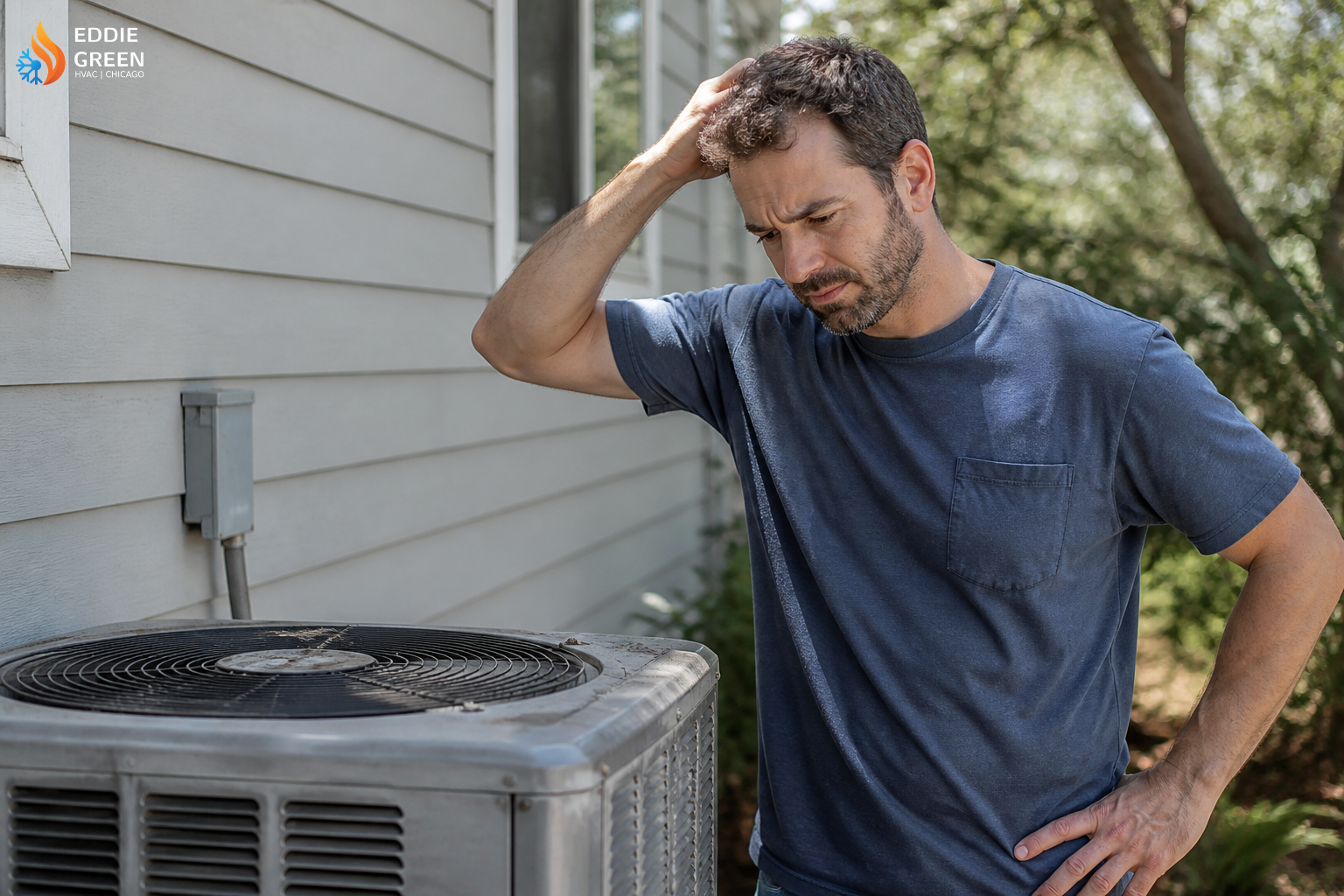
Start by checking out the condition of your equipment. Noisy furnaces, weak airflow, or air conditioners that struggle during peak weather can tell you more than a simple thermostat reading. If these issues keep cropping up, our residential furnace repair or residential AC repair teams can help you figure out if it’s a one-time problem or part of a bigger issue. For broader maintenance support, consider our preventative maintenance service to help reduce surprise breakdowns.
Heating and cooling make up a big chunk of home energy use, so efficiency should always be part of the decision. Check out the U.S. Department of Energy’s Energy Saver resources for helpful consumer information. If your system is costing more to run and repair, replacing it might offer a better return in the long run.
Understand the 50% Rule and Other Repair Benchmarks.
When repair costs start to outweigh value
One common rule of thumb is the 50% rule. If a repair costs more than half the price of a new system, it's usually smarter to replace it. This isn’t a hard rule, but it’s a quick way to see if you’re spending too much on an old system. For example, if an older air conditioner has a major compressor failure, the repair bill can push you toward replacement.
If your system has needed multiple service calls recently, a one-time repair might be worth it if the equipment is fairly new and in good shape otherwise. But if you're fixing parts every season, it might be better to address the underlying age and wear. For more tips on when repairs aren't enough, check out our article, How to Know When It’s Time to Replace Your Furnace.
Factor in future repair risk, not just today’s invoice
The repair quote you see is just one part of the picture. A system with a worn blower motor, aging heat exchanger, or refrigerant leak might be heading for frequent repairs. Even if the immediate fix seems cheap, future parts and labor can turn that "cheap" choice into an expensive one over time. A good HVAC contractor will walk you through both the immediate repair cost and the likely future maintenance burden.
Replacement might require more upfront cash, but newer systems tend to come with better warranties, improved reliability, and lower monthly utility costs. Often, the total cost of ownership is lower when you upgrade at the right time instead of waiting for a complete breakdown.
How the Age of an HVAC System Changes the Decision
Typical lifespans for common equipment
Age is a clear sign of whether repair or replacement makes sense. Air conditioners typically last 10 to 15 years, furnaces 15 to 20 years, and heat pumps 10 to 15 years, depending on maintenance and use. Once equipment nears these ranges, even small repairs deserve a closer look because the remaining life might be limited. If your system is over 10 years old and showing repeated trouble, replacement should be on the table.
These lifespan ranges are widely discussed in the HVAC industry. For more technical background, the U.S. Environmental Protection Agency offers useful information on energy-efficient systems. The older the equipment, the more important it is to compare repair spending against the expected life you still have left.
What age tells you about efficiency and parts availability
Older systems aren't just less efficient; they can also be harder to service. Parts might be discontinued, and some repairs could need custom sourcing or longer lead times. In some cases, technicians can keep an older system running, but the repair process becomes more disruptive and less cost-effective. This is particularly relevant for Chicago homeowners who rely heavily on heating and cooling through extreme seasonal swings.
Age also affects performance. Even if an older system technically works, it might not deliver even temperatures, strong airflow, or quiet operation. If your home still feels uncomfortable after repeated service calls, the issue might not be fixable without replacing the unit or redesigning part of the system. If airflow or distribution is a problem, our ductwork design guide explains why the equipment itself is just one piece of the puzzle.
Repair Costs vs Replacement Costs in Real Terms
What Chicago homeowners can expect to pay
Local pricing matters because decisions aren't made in a vacuum. In Chicago, basic HVAC repairs can range from around $100 to $1,200, while more complex issues might exceed $2,500. A repair that seems reasonable alone might look different when compared to the price of a new system. Replacement costs are also substantial: the average new air conditioning system is about $5,900, a furnace around $4,700, and a heat pump about $5,500.
These numbers help with budgeting, but also highlight why system age and condition matter so much. A homeowner with a nearly new unit and a $250 repair should almost always repair. A homeowner with a 17-year-old furnace, repeated failures, and a $2,000 fix might find that replacement is the better financial move. For more local cost context, check out Forbes' overview of Chicago HVAC pricing.
Think in terms of total ownership, not just sticker price.
When deciding whether to repair or replace, many people only compare today’s bill to the price of a new system. A better approach is to compare the next three to five years of expected costs, including repairs, utility bills, maintenance, and the likelihood of another breakdown. A newer, efficient system might cost more upfront but save money every month while giving you peace of mind during peak weather.
This is why an honest contractor will talk through operating costs, not just installation costs. If your system has become a power hog, the difference in utility bills can narrow the gap between repair and replacement faster than many homeowners expect. In some homes, the savings from improved efficiency can make the investment more attractive than replacing a failed unit at the last minute.
Energy Efficiency, Smart Features, and Environmental Impact
Why newer systems can lower monthly bills
Modern HVAC systems are built with energy efficiency in mind. Higher efficiency ratings, better compressors, improved motors, and tighter controls help reduce wasted energy. Over time, that can translate into noticeable monthly savings, especially in homes that run heating or cooling for long stretches of the year. If your current system is older, even a successful repair may leave you with high operating costs that never really improve.
This matters because comfort isn’t the only goal. Many homeowners want to lower utility bills, reduce strain on the grid, and shrink their environmental footprint. Replacing aging equipment with a more efficient model can tick all three boxes. For more on efficiency in system design, check out our guide to HVAC sizing, since properly matched equipment performs better and wastes less energy.
Smart HVAC systems are changing expectations.
Smart HVAC systems are on the rise. These systems can offer remote control through an app, energy usage monitoring, zone management, and integration with home automation tools. This kind of visibility gives homeowners more control over comfort and can help spot unusual usage patterns early. If you’re deciding between repair and replacement, smart features might add value that an older repair can’t provide.
Smart tech also improves maintenance awareness. When your system gives better data, it’s easier to catch inefficiencies before they grow into major failures. Replacement can function as both a comfort upgrade and a diagnostic upgrade. Homeowners who like data-driven home management often see the strongest appeal here.
Environmental benefits are more than a bonus.
Newer systems often use refrigerants and components designed to reduce environmental impact. They consume less electricity, and many are compatible with better control strategies that cut unnecessary runtime. This is key for homeowners who want practical savings without ignoring sustainability. The EPA’s overview of energy and climate topics offers a solid background on why efficiency upgrades matter at the household level.
For families trying to balance comfort and responsibility, replacement can be a smart long-term investment. A newer system can reduce emissions while improving day-to-day performance. If that aligns with your goals, a replacement may provide value that’s not immediately obvious on a repair invoice.
Chicago Climate Makes HVAC Decisions More Urgent
Why local weather shortens the margin for error
Chicago weather puts heavy strain on HVAC systems. Bitter winters demand dependable heat, while humid summers test air conditioners for months at a time. This kind of seasonal stress speeds up wear and raises the stakes of choosing the wrong fix. A system that seems "good enough" in spring might fail when you need it most in January or July.
Because the local climate is so demanding, homeowners should pay close attention to repeated noise, weak airflow, or rising bills. These aren’t just annoyances; they can be early warnings that the equipment is losing efficiency or nearing the end of its reliable service life. If your home has uneven temperatures or slow response times, a professional inspection may reveal whether the issue is repairable or a sign that replacement would be wiser.
Compliance and efficiency standards also matter.
Illinois homeowners should also keep in mind that equipment standards evolve. Local regulations and efficiency requirements can affect what kind of system makes sense when you’re replacing aging equipment. Even if a repair is possible, the long-term plan may need to account for future code, refrigerant, or efficiency considerations. That’s one reason it helps to work with a contractor who understands both current equipment and local requirements.
For Chicago-area homeowners, this isn’t just about staying comfortable. It’s about making a choice that will hold up through harsh weather and remain practical for years to come. When you’re ready to compare repair and replacement options, our team can help through residential furnace installation or residential AC installation with proper sizing and performance testing.
How to Tell If Your HVAC System Is Too Old to Repair
Look for recurring breakdowns and uneven performance.
Frequent service calls are a clear sign that a system might be too old to repair. If you’ve fixed the same issue more than once, or if new problems keep appearing, the equipment might be telling you it’s at the end of its dependable life. Another warning sign is comfort inconsistency: rooms that are too hot, too cold, or slow to recover after the system runs.
Age plus repetition is the key combination here. A single component failure is normal. A pattern of failures suggests the whole system is becoming less reliable. Many homeowners delay replacement because the current unit still turns on, but "still running" isn’t the same as "still performing efficiently."
Watch for rising bills and louder operation.
Energy bills often climb before the system stops working completely. That happens when parts wear down, and the unit has to work harder to meet the same demand. Loud operation, rattling, short cycling, or longer run times are all signs that efficiency might be slipping. If those changes appear alongside an older system age, replacement deserves serious consideration.
For homeowners trying to interpret those signs, our article on HVAC noises and warning signs offers helpful context. If you’re hearing strange sounds or noticing sudden changes in performance, a professional diagnosis can separate a simple repair from a deeper aging issue.
Real-World Examples: Repair or Replace in Action
Residential furnace upgrade with measurable savings
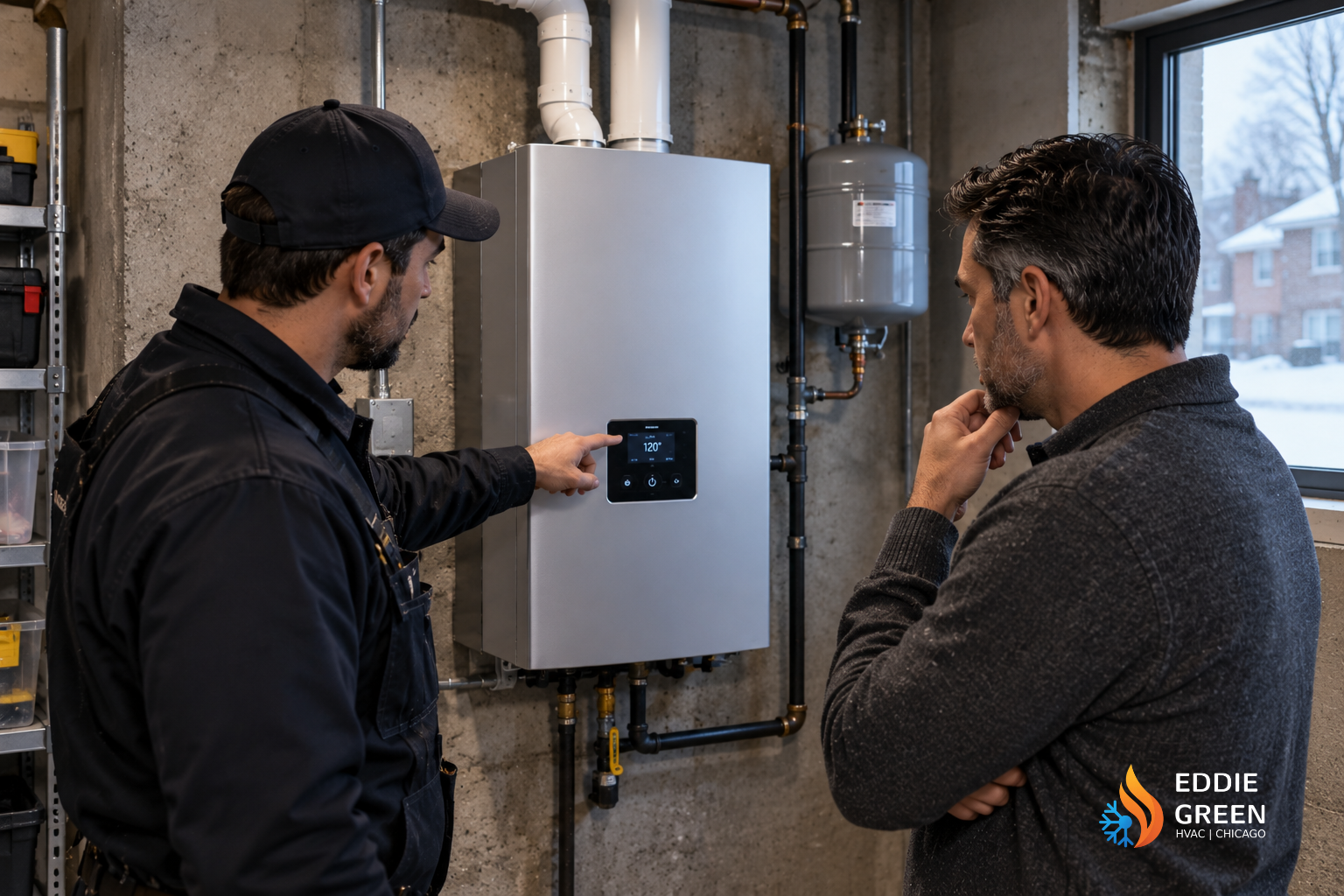
Imagine a homeowner with a 20-year-old furnace that still heats the house, but only after frequent repairs. In one real-world example, a Chicago homeowner chose to replace rather than continue patching the old unit. After installing a new energy-efficient furnace, the family saw roughly a 30% reduction in heating costs during the first year. The savings didn’t erase the upfront cost immediately, but they improved the long-term value of the decision.
That kind of result is typical when older equipment is replaced at the right time. The system becomes more reliable, bills become more predictable, and the home is more comfortable during extreme weather. For many households, that combination is worth more than another temporary repair.
Commercial retrofit for lower operating costs
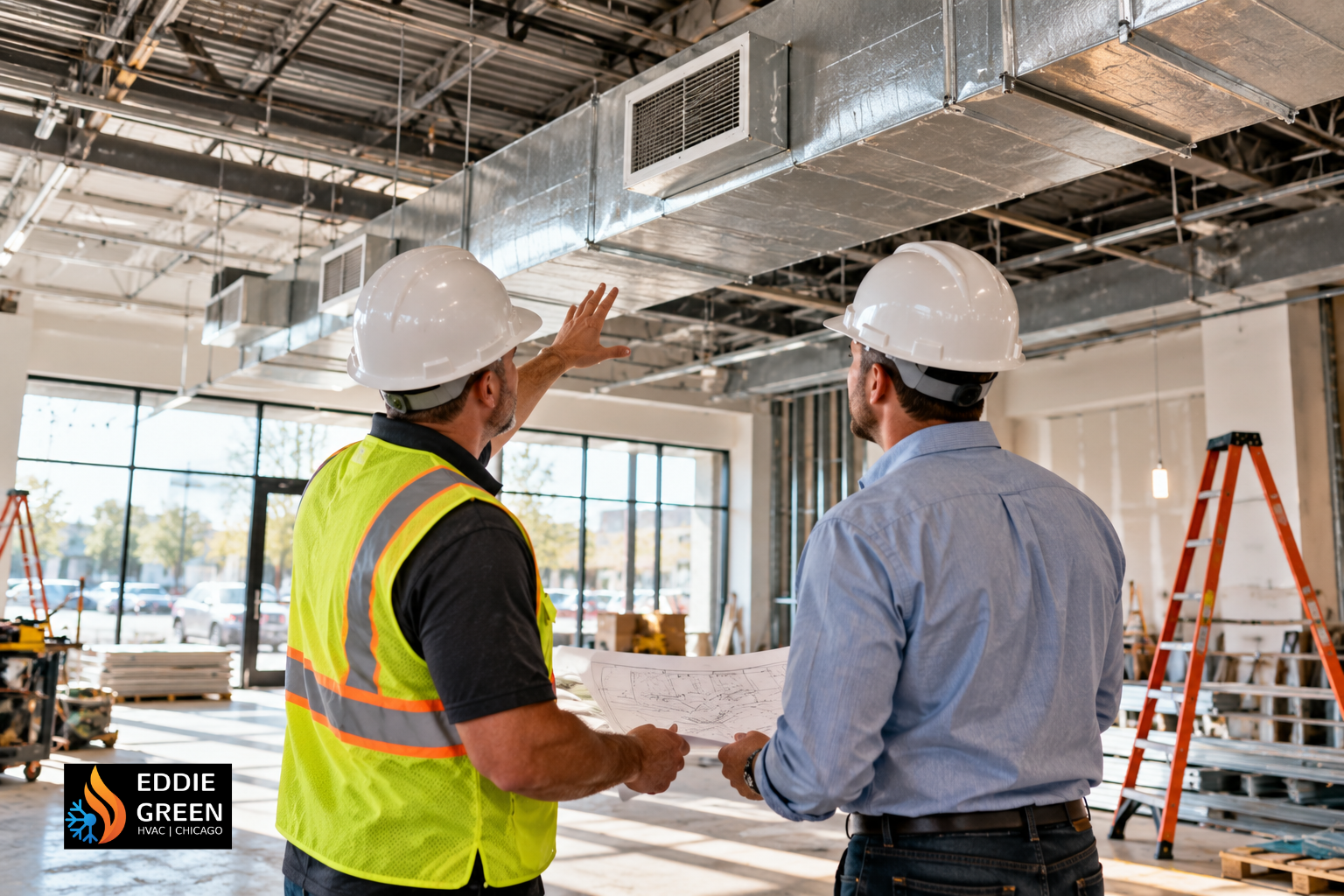
Businesses also face the repair-versus-replace question. A local commercial property upgraded an aging HVAC system and saw both improved air quality and a 25% drop in energy consumption. In commercial settings, the stakes are often higher because comfort, productivity, and tenant satisfaction all depend on dependable climate control. Downtime can be especially expensive when multiple spaces rely on one system.
That’s why commercial owners often pay close attention to lifecycle costs. For larger projects, replacement may make more sense because it reduces disruption and supports better long-term planning. If your business is evaluating larger-scale work, our commercial HVAC installation page explains how project planning and system design can shape performance.
Practical Decision Checklist for Homeowners
Five questions to ask before you decide
- How old is the system, and is it near or beyond its expected lifespan?
- Have repair costs started to approach 50% of replacement cost?
- Has the system needed frequent repairs in the last two years?
- Are utility bills rising even though usage hasn’t changed?
- Does the system still keep the home comfortable in extreme weather?
If you answer “yes” to several of these questions, replacement may be the smarter choice. If the system is relatively new and the repair is isolated, fixing it is usually the better move. The goal is not to replace too early or repair too long; it is to choose the option that offers the best overall value.
When maintenance can buy you time
Sometimes the right decision is neither immediate repair nor immediate replacement, but a maintenance plan that stabilizes the system and extends its useful life. Routine tune-ups can catch dirty coils, worn belts, clogged filters, and minor electrical issues before they escalate. For systems that are not yet ready to be replaced, proactive care can preserve efficiency and reduce stress on major components.
That’s why seasonal servicing matters. If you want a fuller look at what regular care should include, review our annual HVAC maintenance guide and our maintenance frequency article. These resources can help you stretch the life of a system while you plan your next move.
FAQ: Common Questions About Repair vs Replace
How do I know if my HVAC system is too old to repair?
A system over 10 years old with repeated breakdowns, rising bills, and declining comfort is often a candidate for replacement. Age alone doesn’t force the decision, but age plus frequent trouble usually points toward a more cost-effective upgrade.
Will a new HVAC system save me money?
In many cases, yes. Newer systems tend to be more efficient and often reduce energy use compared to older equipment. The savings may be gradual, but they can meaningfully offset the higher upfront cost over time.
What are the environmental benefits of replacing my HVAC system?
Modern units usually use less energy and may rely on more environmentally responsible refrigerants and controls. That means lower emissions and less wasted power, which benefits both your home and the broader environment.
Conclusion: Choose the Option That Protects Comfort and Budget
Knowing when to repair versus replace your HVAC system comes down to a simple but important question: Are you buying time, or are you buying value? If your system is relatively young, repairs are isolated, and performance is still strong, fixing it usually makes sense. But if the unit is old, inefficient, and increasingly unreliable, replacement may be the better financial and comfort decision.
Chicago’s demanding weather, local pricing, and long-term energy concerns all make this decision more urgent. The best approach is to evaluate age, repair history, utility costs, and overall comfort before deciding. If you are unsure, a qualified HVAC professional can give you a clear recommendation based on the condition of your system and your home’s needs. For dependable help, reach out to Eddie Green HVAC, explore our services, or schedule an assessment today so you can make the smartest choice for your home or business.