Annual HVAC Maintenance: What It Really Includes and Why It Matters
Annual HVAC check-ups aren't just a suggestion—they're a must-do for keeping your home comfy and healthy. In places with wild weather swings like Chicago, your heating and cooling systems work hard all year. This makes regular tune-ups important to dodge breakdowns and big energy bills. Let's dive into what these maintenance visits cover, why they save you money and stress, and how you can keep your system running smoothly. For those who want year-round professional care, think about signing up for our preventative maintenance program for scheduled services, priority visits, and member discounts.
The U.S. Environmental Protection Agency points out the link between HVAC performance and indoor air quality, proving the health perks of proper upkeep. Regular checks and cleanings cut down on dust and allergens in your home. This same care helps your equipment run efficiently, lowering energy use and costs over time.
Why Annual HVAC Maintenance Matters
Energy Efficiency and Monthly Savings
Keeping up with your HVAC system can really cut down your energy bills. Systems that are cleaned and fine-tuned use less energy than neglected ones. Experts say maintenance can boost efficiency by up to 30%, which means lower monthly bills.
This is crucial in a place like Chicago, where winters are long and cold, and summers are hot and humid. A well-cared-for furnace or AC avoids long run times that waste energy and drive up costs. Over time, these savings add up and can often cover the cost of maintenance.
Plus, keeping systems efficient reduces the wear on parts and cuts down on emergency repairs. This means your system will be more reliable when you need it most—during those winter cold snaps or summer heatwaves.
Extending Equipment Lifespan
Regular maintenance plays a big role in extending the life of your equipment. Simple tasks like cleaning coils and checking refrigerant prevent wear and tear. Experts say that well-maintained systems can last up to 40% longer.
This means you can delay costly replacements and get more value from your initial investment. This is especially true for big commercial systems where replacements are a hassle and expensive.
By scheduling regular checks, you catch small issues—like low refrigerant or a worn belt—before they turn into big problems that could cut your system's life short.
Health, Comfort, and Indoor Air Quality
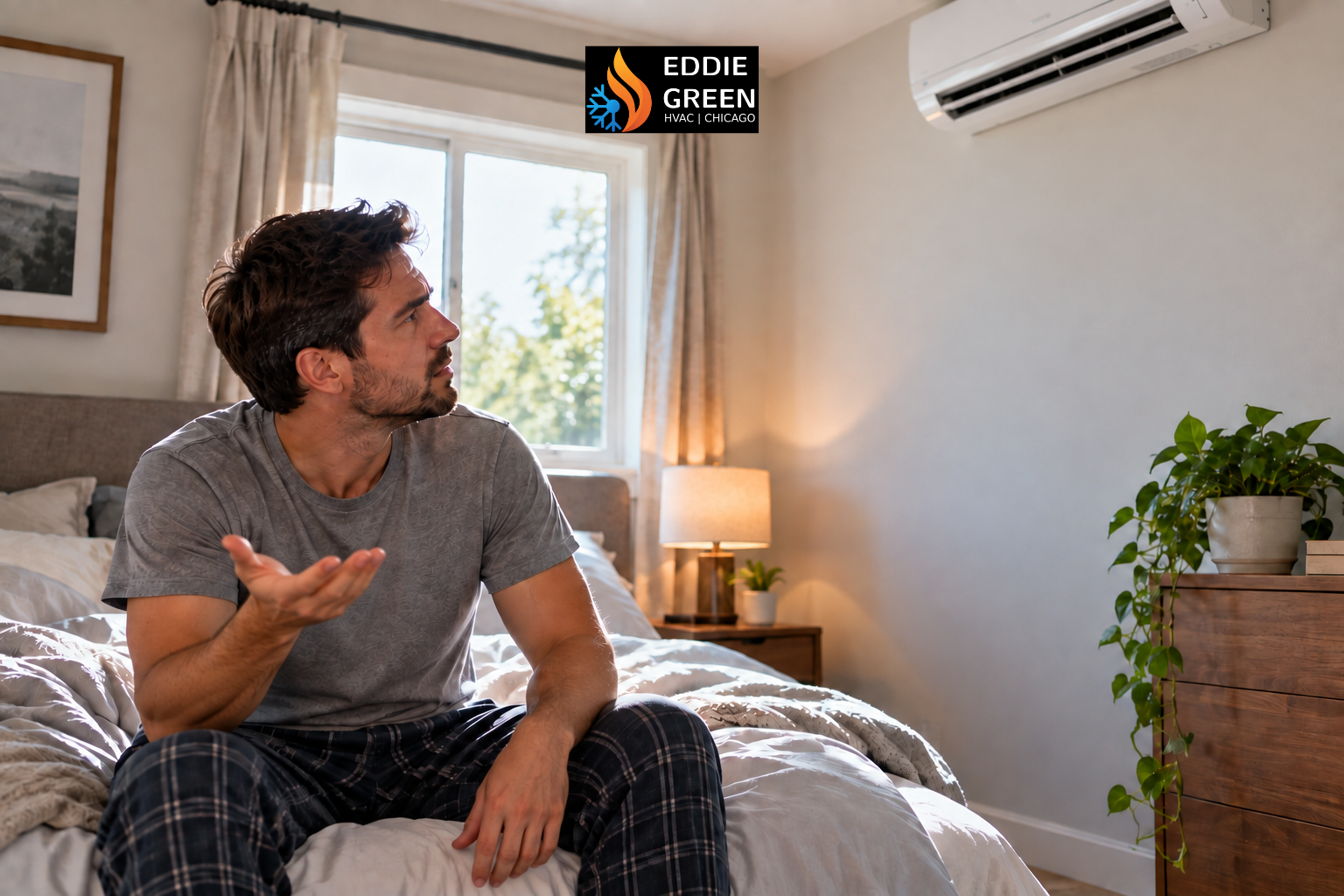
Maintenance isn't just about machines—it's about your health and comfort too. Dirty filters and clogged drains let dust and pollen build up and circulate. An annual check-up cleans these out, improving indoor air quality and reducing allergies.
The EPA and other health agencies stress the importance of good ventilation and filtration for healthy indoor spaces. Annual service keeps your systems working right and controls humidity, cutting down on mold and boosting comfort.
In places like apartments and offices, cleaner air means fewer sick days and a more pleasant space for everyone.
What a Comprehensive Annual HVAC Maintenance Visit Includes
Furnace and Heating System Checklist
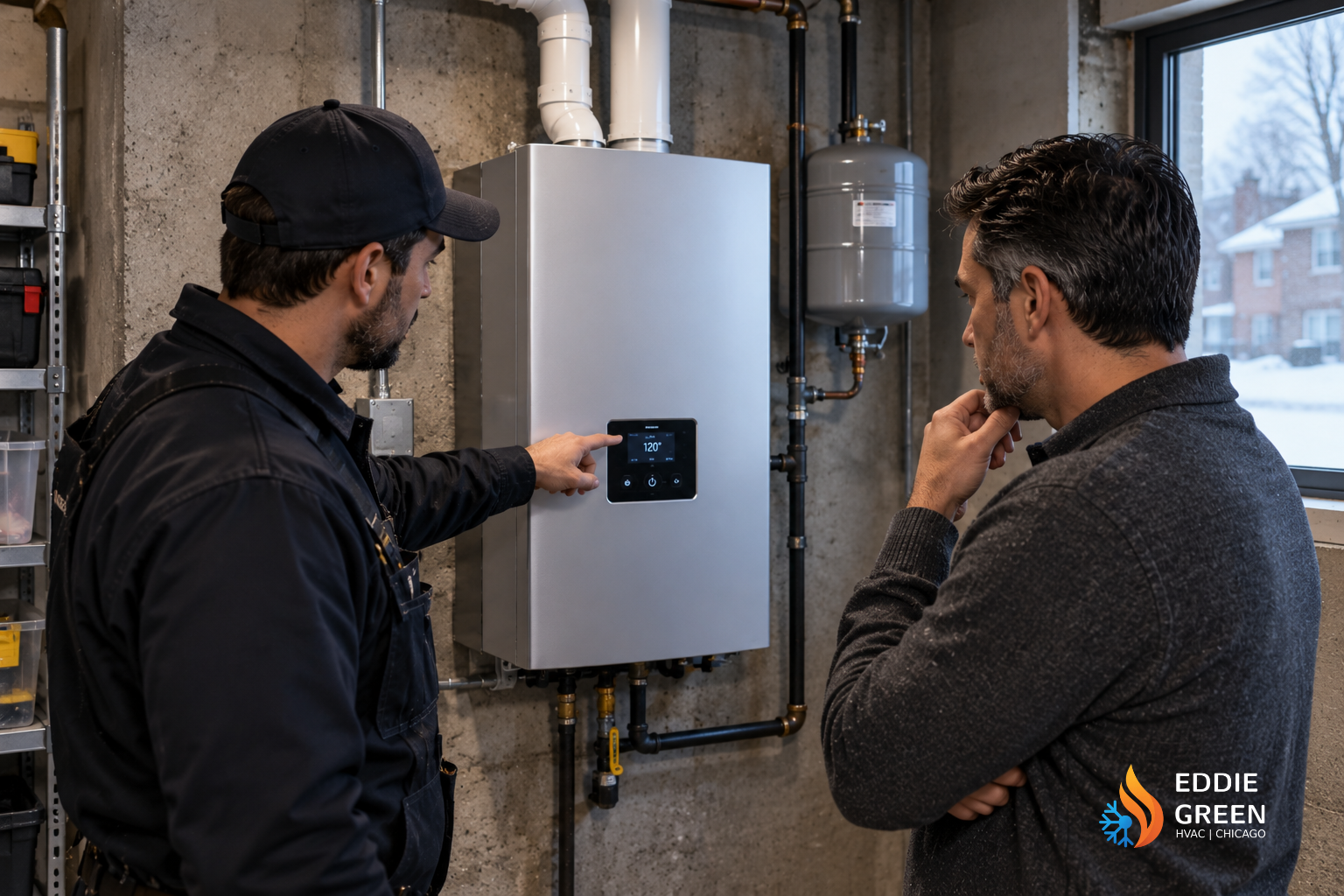
A thorough furnace check involves several key steps by a skilled technician. They'll clean burners, inspect heat exchangers for cracks, check ignition systems, and ensure safe venting. These checks are vital in cold climates to prevent carbon monoxide risks and ensure heating works when you need it.
Technicians also test thermostats, lubricate motors, check belts and pulleys, and look at electrical connections. Fixing small issues early avoids emergency repairs and costly replacements.
Air Conditioner and Cooling System Checklist
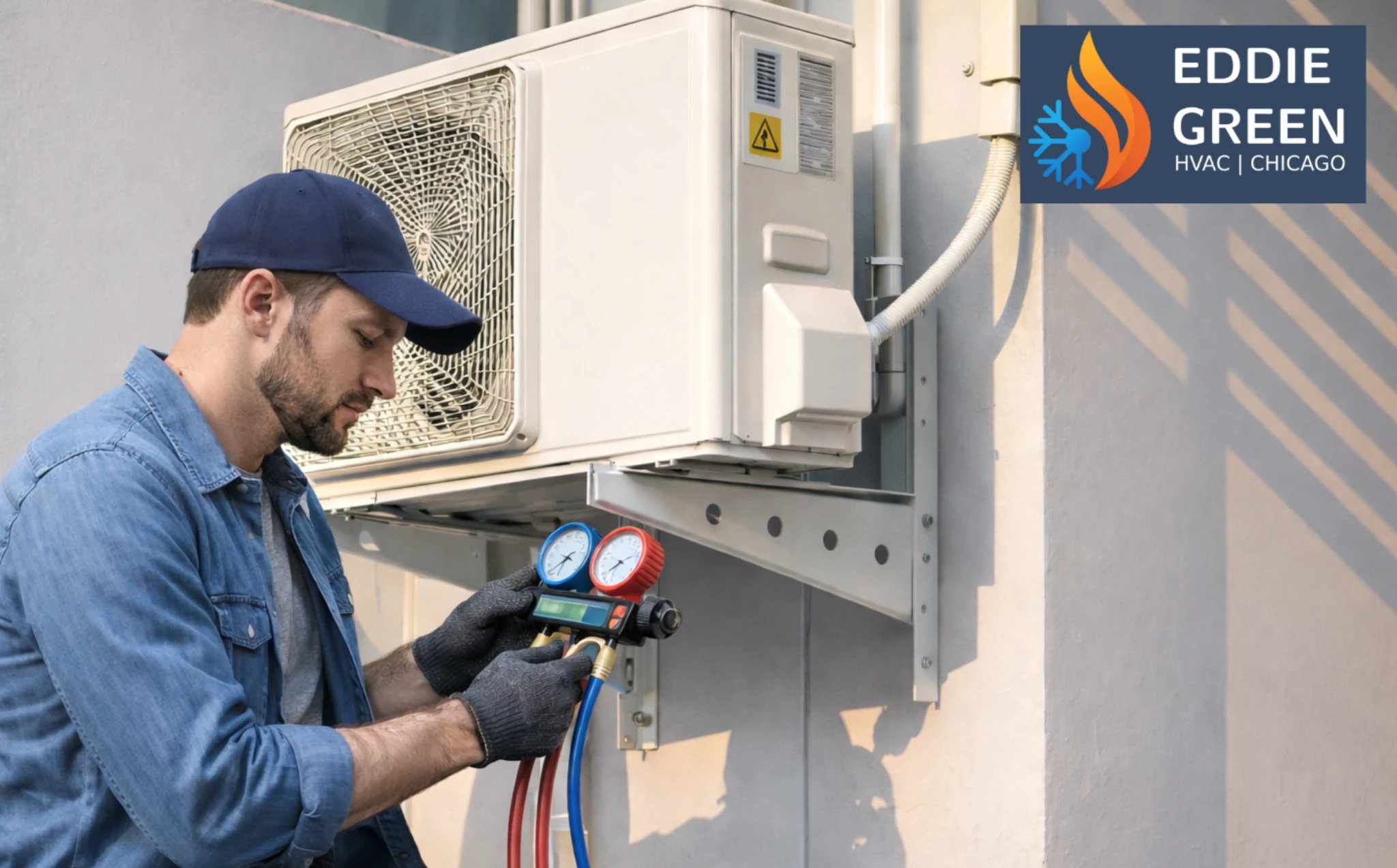
Cooling maintenance focuses on cleaning, checking refrigerant, and optimizing airflow. A tech will clean coils, check refrigerant levels, inspect drains, and test compressors. Clean coils and the right refrigerant level ensure your AC runs efficiently.
They'll also check filters, ductwork, and blowers. If needed, they might suggest duct sealing or better filters. Making sure the outdoor unit is clear of debris is part of the inspection too.
Catching problems early through maintenance reduces the chance of summer breakdowns and keeps you cool through the heat.
Ductwork, Filtration, and Ventilation Checks
Comprehensive maintenance includes looking at ducts and ventilation. Technicians check for leaks or dust that can hurt efficiency and air quality. Well-sealed ducts ensure air goes where it's needed, minimizing energy loss.
Regular filter checks and replacements are a must. Many recommend MERV-rated filters based on your needs. Changing filters prevents stress on blowers and keeps particles out of the air.
Ventilation rates and humidity are also reviewed to ensure comfort and avoid mold. For complex systems, more testing might be needed for health and comfort goals.
Seasonal Scheduling and Best Practices
When to Schedule: Fall for Heating, Spring for Cooling
Experts suggest scheduling heating checks in the fall and cooling checks in the spring. This prepares your system for peak seasons and reduces failures in bad weather. A fall furnace tune-up gets you ready for the cold, while a spring AC check avoids last-minute summer repairs.
Planning ahead avoids the rush and lets you pick convenient times for service. Some find it handy to schedule both heating and cooling checks at once.
How Often Is “Annual” Enough?
For most homes, an annual visit for heating and cooling is enough. But homes with pets, smokers, or lots of dust might need more frequent checks. Older systems or commercial setups should be checked more often.
Watch your system's performance and energy bills to see if you need more frequent service. If bills rise or comfort drops, a check-up could reveal issues like leaks or worn parts.
DIY Prep Tips Before the Technician Arrives
There are a few things you can do to get ready for a service visit. Replace dirty filters a week or two before, clear debris around outdoor units, and make sure technicians have access to panels and vents. These simple steps let the technician focus on more important tasks.
Note any unusual sounds or performance issues and tell the technician. Clear descriptions help them find the problem faster.
Preventive Maintenance Programs and Real-World Costs
What Preventive Plans Typically Offer
Preventive plans usually include scheduled checks, priority service, and repair discounts. Some bundle heating and cooling tune-ups into one annual package for ease and predictable costs. Members often get reminders and automatic scheduling for hassle-free upkeep.
For instance, some contractors offer fixed-price plans that cover both heating and cooling visits. These plans reduce scheduling hassle and provide financial predictability.
Cost-Benefit: Is a Plan Worth It?
When considering a plan, compare the cost to potential savings from lower energy bills, fewer repairs, and avoiding replacements. Preventive maintenance can stop small issues from growing into big ones, often covering the plan cost with energy savings.
Plus, plans often include perks like priority scheduling during high-demand times, which is both convenient and valuable.
Case Study: Commercial Benefits from Scheduled Maintenance
Businesses in Chicago report fewer emergency repairs and less downtime after committing to regular maintenance. One manufacturing facility that switched to quarterly checks cut down unplanned shutdowns and extended their equipment life significantly.
For businesses focused on smooth operations, regular maintenance is necessary rather than optional.
Troubleshooting and Common Issues Found During Maintenance
Typical Problems Detected in Tune-Ups
Technicians often find issues like restricted airflow from dirty filters, low refrigerant, minor leaks, worn belts, and corroded connections. These problems start small but can get worse quickly. Maintenance catches them early, allowing for cost-effective repairs.
What Homeowners Can Check Between Visits
Homeowners can do simple checks between visits. Replace filters, clear outdoor units, and ensure vents aren't blocked. Watching thermostat settings and room temperatures can alert you to potential problems.
If you notice strange noises or smells, turn off the system and call a pro. Noises like grinding or hissing could signal mechanical or refrigerant issues.
When It's Time to Replace Instead of Repair
Sometimes, replacement is better than repair. If your system is old, unreliable, or inefficient, new equipment might be a better investment. Look for frequent breakdowns, rising repair costs, and increased energy bills.
Modern systems offer better efficiency and features. Upgrading at the right time maximizes your investment and reduces emergency calls.
Improving Indoor Air Quality, Energy Savings, and Sustainability
Filters, Ventilation, and Humidity Control
Many invest in regular maintenance to improve indoor air quality. High-efficiency filters, good ventilation, and humidity control make healthier indoor spaces. Replacing filters and ensuring ventilation removes contaminants and controls mold.
The EPA provides guidance on indoor air quality and how HVAC systems help reduce pollutants. For more, check out the EPA Indoor Air Quality resources.
Energy Efficiency Standards and Savings
Energy-saving measures during maintenance, like sealing ductwork and optimizing refrigerant, help systems meet performance expectations. The U.S. Department of Energy offers resources on HVAC efficiency best practices: DOE: Heating and Cooling.
Standards, Certifications, and Industry Guidance
HVAC pros follow standards from groups like ASHRAE, which publish respected guidance on system design and maintenance. When choosing a contractor, look for licensure, references, and adherence to standards: ASHRAE.
FAQ, Troubleshooting Guide, and How to Schedule
Frequently Asked Questions
Q: Is annual maintenance really necessary if my system seems fine? A: Yes — many issues are subtle and grow over time. Annual inspections catch early problems, maintain efficiency, and prevent emergency failures.
Q: How long does a maintenance visit take? A: Typical visits range from 45 minutes to 2 hours depending on system complexity.
Simple Troubleshooting Steps Before Calling a Pro
Before calling for repairs, check thermostat settings, replace dirty filters, and make sure circuit breakers are on. If you notice burning smells or leaks, shut down the system and call an expert right away.
How to Schedule and What to Look for in a Contractor
When choosing a contractor, check for their licensing, experience, and clear pricing. Membership plans often include perks like discounted repairs and annual reminders.
To schedule an inspection, contact Eddie Green HVAC at +1 (224) 857-3327 or email info@chicagohvacpro.com. We offer services including furnace installation and AC repair.
Conclusion and Next Steps
Final Thoughts
Annual HVAC maintenance is a smart move: it cuts energy costs, extends equipment life, improves air quality, and reduces emergency repairs. In Chicago, where systems face extreme weather, regular maintenance is a must for reliable comfort and saving money.
For those ready to take the next step, think about joining a maintenance program that covers heating and cooling visits and includes priority service. Reach out to Eddie Green HVAC to schedule your next service visit.
Call to Action
Don't wait for the next freeze or heatwave to find an HVAC problem. Schedule your annual maintenance now to stay comfortable, cut costs, and breathe easier. Contact Eddie Green HVAC at +1 (224) 857-3327, email info@chicagohvacpro.com, or visit chicagohvacpro.com to learn about our maintenance plans.
Final Checklist Before Scheduling
- Confirm last service date and any issues from past reports.
- Replace dirty filters and clear outdoor units.
- Note any performance changes or noises for the technician.
- Consider membership plans for priority service and seasonal benefits.
- Keep emergency contact info handy and schedule during off-peak months.
Annual maintenance isn't just nice to have—it's a smart plan for your home or business in Chicago's demanding climate. Schedule your inspection today and keep your HVAC system ready for anything.