Why Copper Pipes Matter in Your Hydronic Heating System
If you’re considering a hydronic heating system for its warmth, efficiency, and quiet operation, you've probably come across copper pipes in your research. These pipes might seem simple, but they play a crucial role in the performance of the system. Let's chat about why copper is a popular choice, how it compares to other materials, and what you need to know if you’re thinking of using it in your home or business.
Throughout this article, you'll discover practical tips and insights on when copper is the best option and when you might consider other materials. We’ll also point you to reputable sources and local services that can guide your decisions. If you’re in the market for boiler installation or hydronic systems, our team is ready to help you figure out the best piping choices for your needs.
The Basics: Why Material Matters in Hydronic Systems
Thermal Conductivity and Heat Transfer
One of the main reasons copper is favored in hydronic systems is its excellent thermal conductivity. This means heat moves quickly through copper, reducing temperature loss and speeding up heat delivery to your radiators or floors. In systems like radiant floor heating, where you need efficient heat transfer, copper can make your home feel warmer faster.
Durability and Strength
Copper is tough. It withstands pressure and handles the thermal expansion that happens in heating systems without cracking. This durability means fewer supports are needed, and there’s less risk of damage during construction or service. In the long run, copper reduces the chances of leaks and the expensive repairs that come with them.
Corrosion Resistance and Longevity
Copper doesn’t corrode easily, which means it lasts longer and requires less maintenance. While some metals can rust when the water chemistry isn’t perfect, copper’s resistance means fewer interventions like line replacements or chemical treatments. This longevity often makes up for the higher initial cost.
Industry Trends and Market Drivers
Growing Interest in Energy Efficiency
More people are looking for energy-efficient heating, which is good news for materials like copper. Buildings are increasingly using advanced heating systems that prioritize performance over cost, and copper is a big part of that shift. About 41% of new commercial buildings now use high-performance systems that benefit from copper’s properties.
Sustainability and Recycling
Copper is fully recyclable, which makes it attractive for eco-friendly building projects. Many sustainable buildings choose copper because it combines thermal performance with environmental benefits. Projects aiming for green certifications often favor copper for this reason.
Market Growth
Analysts expect hydronic systems to keep growing, with a market increase of about $1.3 billion by 2025. This growth is driven by a demand for low-carbon, efficient heating solutions. Knowing the strengths of materials like copper can help contractors meet these demands effectively.
Comparing Copper with Common Alternatives
Copper vs. PEX
PEX is popular because it’s cheaper and flexible, making it easy to install. It’s great for radiant floors, but copper excels in thermal conductivity and long-term stability, especially in high-temperature systems. While PEX works well for many home installations, copper is better suited for commercial systems where durability is crucial.
Copper vs. Stainless Steel
Stainless steel is another option, offering high corrosion resistance. However, it doesn’t conduct heat as well as copper and is more expensive to install. In most cases, copper’s balance of performance and cost makes it the preferred choice for heating systems.
Cost-Benefit Over Time
Although copper costs more upfront than PEX, its durability and lower maintenance needs often make it cheaper in the long run. When considering a hydronic system, factor in energy savings, maintenance, and potential salvage value. This comprehensive view helps justify the initial investment in copper.
Design and Installation Tips
Proper Sizing and Pressure
Getting the pipe size right is crucial. Too small and you’ll have pressure issues; too large and you waste materials. Copper’s known internal surface makes it easy to calculate for efficiency. Always follow design standards and manufacturer guidelines for the best results.
Joining Methods
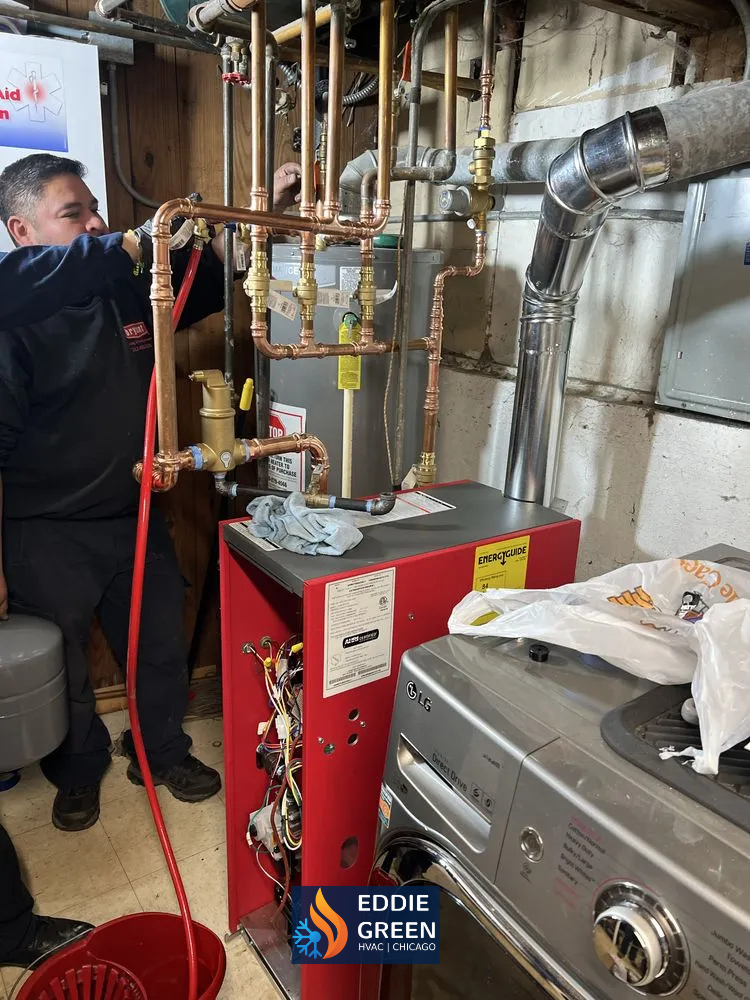
Copper can be joined in several reliable ways. Soldering and brazing offer permanent solutions, while compression fittings allow for quick repairs. Choose the method based on your specific needs, and make sure your team is trained to avoid future leaks.
Handling Expansion and Contraction
Copper expands and contracts with temperature changes. Use proper support, expansion loops, and flexible connectors to manage this movement. Good planning prevents stress and extends the system’s life.
Maintenance and Troubleshooting
Regular Checks
Copper’s corrosion resistance means less maintenance, but regular checks are still important. Look for leaks, check joint integrity, and ensure everything is strapped properly. Annual maintenance, including system flushing, keeps things running smoothly. Consider pairing this with preventative maintenance for your entire HVAC system.
Common Problems
Issues like air in the pipes, mineral buildup, and leaks can occur. Regular venting and proper water treatment can prevent these problems. Quick diagnostics and repairs keep downtime and costs low.
Repair or Replace?
Small leaks are often easy to fix, but widespread issues may require replacing sections of pipe. Presenting clear options to clients helps them make informed decisions about repairs versus replacements.
Real-World Examples
Residential Radiant Floors
Although PEX is common in radiant floors, copper stands out in homes needing higher temperatures or compact manifolds. In colder areas like Chicago, copper manifolds often provide better performance and reliability.
Commercial Hydronic Loops
In commercial settings, copper is valued for its durability and efficiency. It reduces pressure drops, lowering energy use and saving on operational costs.
Chicago-Specific Cases
With Chicago’s cold winters, reliable heating is essential. Local contractors often use copper-based systems for consistent warmth and customer satisfaction. For project help, check out residential boiler repair for details and assistance.
Codes and Standards
Industry Guidance
Industry associations offer valuable advice for choosing materials and designing systems. Groups like the Hydronics Industry Alliance provide resources to ensure installations meet performance and safety expectations. For more details, visit their resource hub.
Building Codes
Local codes dictate plumbing and mechanical work. Copper is generally accepted, but always check local requirements. Partnering with licensed contractors ensures compliance and smooth project approval.
Technical References
For those seeking deeper insights, academic and technical sources offer detailed information on copper’s properties. Wikipedia’s overview of copper is a reliable general reference.
FAQs
Is Copper Always the Best Choice?
Not necessarily. Copper excels in conductivity and durability, but PEX might be better for low-temperature or budget-conscious projects. A contractor can compare options to find the best fit for your needs.
How Much More Does Copper Cost?
Copper costs more upfront than PEX, but its long-term savings can close the gap. Clear comparisons can help clients understand the trade-offs and benefits.
Can Copper Work with Modern Boilers?
Yes, copper pairs well with modern high-efficiency boilers and controls. Just ensure proper water treatment and system design to maintain performance. Pros can help with component compatibility and design needs.
Next Steps for Contractors and Homeowners
Assess Your Needs
Start by understanding your heating needs and goals. Whether you prioritize cost, maintenance, or sustainability, this assessment will guide your material choice.
Request Cost Comparisons
Ask for lifecycle cost comparisons that include all aspects of the system. This helps you make informed decisions beyond the initial price tag.
Hire Certified Installers
Quality installation affects outcomes. Work with certified pros who know how to handle copper. After installation, schedule routine maintenance to protect your investment. If you’re looking for support, explore our boiler installation and repair services.
Troubleshooting Common Issues
Air Noises and Uneven Heating
Air in the pipes can cause noise and uneven heating. Bleed radiators and check pumps to resolve this. Regular maintenance helps keep things quiet and efficient.
Water Quality and Corrosion
While copper resists corrosion, poor water quality can still cause issues. Proper water treatment and regular testing prevent long-term problems.
Leak Detection
Quick detection minimizes damage. Use pressure tests and visual inspections to find leaks early. In emergencies, shut down the system and contact a technician promptly.
Wrapping Up Your Hydronic System Choice
When choosing piping for your hydronic system, think about comfort, energy use, and maintenance. Copper is a reliable choice for systems where performance and longevity matter. Alternatives like PEX are viable, especially for flexible and cost-effective solutions, but copper remains a go-to for high-performance needs.
If you’re considering a hydronic system, focus on the long-term benefits. For design, installation, or service in the Chicago area, our team is ready to help you make the best choice for your situation. Contact us for a tailored recommendation based on your needs and budget. We also offer commercial HVAC installation services that integrate hydronics effectively.
For more reading, explore industry insights on efficient hydronic systems and the role of copper. Check out Contractor Magazine for broader context on market trends and forecasts.
Ready to explore copper for your project? Contact Eddie Green HVAC for a consultation or service. Call us at +1 (224) 857-3327 or email info@chicagohvacpro.com. We’ll help you decide if copper is the right fit for your system and budget.
Resources: Find more information from industry groups like the Hydronics Industry Alliance and the Wikipedia entry on copper. These resources support informed decisions for your hydronic system.
Next steps: Book a free consultation to evaluate your heating needs, compare costs, and receive a personalized installation or maintenance plan. Visit our service pages or contact Eddie Green HVAC today to start your project with confidence.