When it gets chilly outside, your furnace becomes the star player in your home. It keeps everyone cozy, helps save on energy bills, and can stop big repair bills from sneaking up on you. But furnaces can be sneaky, giving off little hints before they conk out. So, it’s good to know what to watch for. In this guide, we'll show you how to check if your furnace is doing its job right, what those common little hiccups mean, and when it’s time to call in the pros for furnace repairs or seasonal tune-ups before they turn into big headaches.
Keeping your home warm isn’t just about comfort; it’s about safety and managing costs. Regular HVAC TLC can make your system run better and avoid wasting energy, according to the U.S. Department of Energy. In places like Chicago, even minor furnace issues can cause chilly spots and higher bills. Let’s dive into how you can confidently check up on your furnace. You’ll learn how to evaluate airflow, listen for weird noises, and spot signs of overheating or short cycling. We’ll also touch on when you should get professional diagnostics.
What a Healthy Furnace Should Do
Regular Start and Stop Cycles
When your furnace is running smoothly, it should start up without any drama, heat consistently, and then shut off once your thermostat is happy. If it’s cycling on and off too much, that could mean an airflow problem, a dirty filter, or even an oversized system. Frequent cycling isn’t just annoying; it can also wear out the blower motor and other parts faster. Sometimes, a technician might just need to clean or calibrate things to get your furnace back on track.
Many folks think frequent cycling means the furnace is "working harder," but often it means it's struggling. If dirty ductwork or restricted air movement is to blame, learning how ductwork design affects airflow can give you insights into why your heating isn’t reaching every corner.
Steady and Even Heat
A well-running furnace delivers even heat throughout your home. If one room is cozy while another feels like a freezer, your furnace might be fine, but something in the system is losing efficiency. It could be blocked vents, leaky ducts, or even an old blower. If your home takes too long to heat, it might be undersized or suffering from restricted airflow. Not sure if your system is the right size? Check out our guide on sizing your HVAC system.
Signs Your Furnace Might Be Acting Up
Strange Noises
Weird noises are big red flags. Banging, rattling, or squealing can indicate anything from loose panels to more serious issues like a failing motor. If the noise is new or getting worse, it’s time to investigate. Our guide on strange HVAC noises can help you figure out what’s going on. Catching these early can save you from a total shutdown in the dead of winter.
Uneven Heating or Weak Airflow
Weak airflow when the furnace kicks in might mean a clogged filter, a blower problem, or a duct restriction. This can cause the furnace to overheat and shut off as a protective measure, creating a frustrating cycle. Uneven heating is another sign something’s off. If certain areas of your home are too cold or too warm, it might be worth looking into how air ducts impact your HVAC performance.
Frequent Filter Changes and Rising Bills
If you’re constantly changing filters, your furnace might be working too hard due to poor circulation. Keeping an eye on filters is crucial because restricted airflow makes your system overheat and wear out faster. Rising energy bills without a change in comfort level can signal trouble, too. Check your usage compared to previous seasons. A steady climb in costs could mean it’s time for a furnace check-up.
Checking Your Furnace at Home
Start with the Thermostat
Before assuming the worst, make sure your thermostat is set correctly. Low batteries or wrong settings can make it seem like the furnace is the problem. If you’ve got a programmable thermostat, make sure schedules aren’t messing things up. If the thermostat seems fine but your home doesn't warm up, it might be a furnace issue.
Inspect the Air Filter and Components
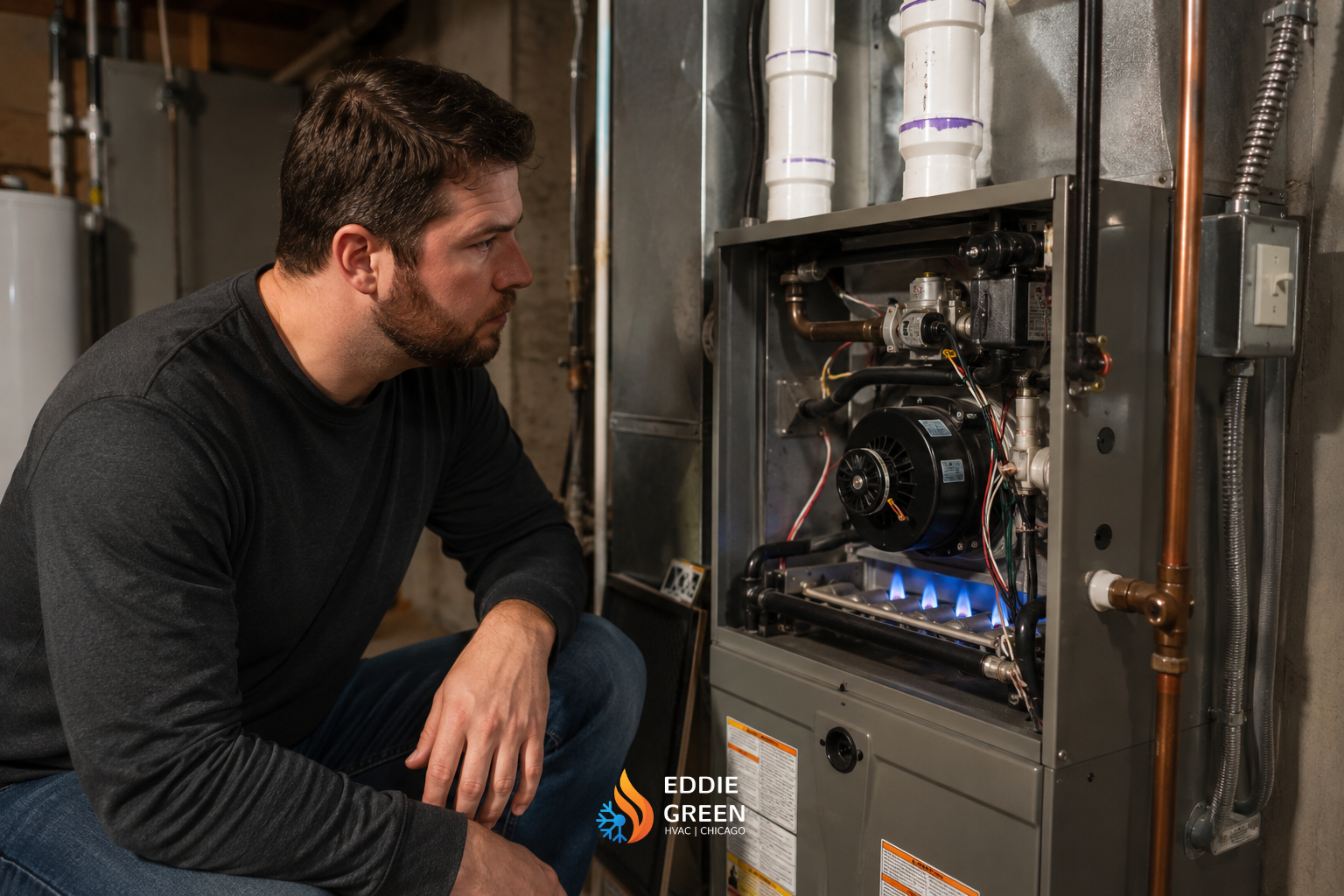
Checking the air filter is easy and crucial. A clogged filter forces your furnace to work harder and can lead to shutdowns. You should also look around the furnace for dust, rust, or loose panels. While you shouldn’t attempt major repairs, spotting these issues early is helpful.
Listen, Smell, and Observe
During a regular cycle, your furnace should start smoothly and deliver warm air without strange smells. If you notice burning, gas, or electrical odors, turn off the system and call for help. The CPSC carbon monoxide information center is a great resource for heating safety. If you catch any strange odors or soot, contact a pro immediately.
Predictive Maintenance and Modern Furnace Monitoring
The Shift to Predictive Monitoring
HVAC maintenance is leaning towards predicting issues before they happen. By monitoring systems for unusual behavior, technicians can catch problems early. This approach means fewer surprises and better efficiency. Research on HVAC fault prediction shows how effective this can be.
Real-World Examples
In one study, predictive monitoring on HVAC systems showed high fault prediction accuracy. Even if you don’t have hospital-grade systems, the lesson is clear: early detection works. Regular inspections can catch issues before they become costly.
Why Regular Maintenance Matters
Annual Check-Ups
Yearly furnace maintenance ensures your system runs smoothly through the heating season. A tune-up includes cleaning, checking components, and evaluating airflow. This helps catch small problems before they become big ones. For more on maintenance schedules, check out our HVAC maintenance guide.
Prepping Before Winter
In Chicago, winters can be harsh. Fall maintenance ensures your furnace is ready for heavy use. A seasonal maintenance visit can include filter changes, safety checks, and operational tests. This helps prevent breakdowns and keeps your home comfortable.
When to Call a Pro
Persistent Problems
If your furnace is acting up repeatedly, it’s time for professional help. Strange smells, loud noises, or if it struggles to heat your home, these all need expert attention. Technicians can perform accurate diagnostics and recommend solutions. Acting early is usually cheaper than waiting for a total failure.
Time for a Replacement?
If your furnace is old, inefficient, or frequently breaks down, consider replacing it. Continuous repairs add up, and newer systems are more cost-effective. Our article on repair vs. replace decisions can help you decide. Proper sizing and installation are crucial for the new system's efficiency.
Common Furnace Issues and Their Meanings
Short Cycling
If your furnace keeps turning on and off, it might be a clogged filter or an oversized unit. Short cycling stresses the system and makes your home less comfortable. Get it checked out if you notice this pattern.
Cold Air from Vents
If your furnace is on but the air isn’t warm, there might be ignition or blower issues. This should be looked at quickly to avoid wasting energy and discomfort.
Water, Rust, or Corrosion
Moisture around your furnace can mean drainage problems or leaks. Rust and corrosion show the system is exposed to damaging conditions. Catch these signs early to avoid bigger issues later.
Furnace Checklist for Homeowners
Monthly Check-Up
- Check thermostat settings and replace batteries if needed.
- Inspect the air filter and replace it if dirty.
- Listen for new noises during startup and shutdown.
- Check for uneven heating around the house.
- Look for rust, soot, or moisture near the furnace.
- Ensure vents and registers are open and unobstructed.
- Monitor energy bills for unusual spikes.
This checklist won’t replace a professional tune-up, but it helps you catch problems early. If you complete it and still have issues, a more thorough inspection might be needed.
Track Patterns, Not Just Symptoms
Keep a log of your furnace’s behavior. Write down any noises, uneven heating, or frequent filter changes. Tracking these patterns over time helps diagnose problems faster.
Conclusion: Be Proactive and Stay Cozy
A furnace that’s working well should start easily, heat consistently, and run quietly. If it's not, it might need some attention. Catching problems early makes them easier and less expensive to fix. Regular maintenance and quick responses to issues will keep your heating system dependable.
If your furnace is acting up or you just want peace of mind before winter, Eddie Green HVAC can help with inspections, repairs, and planning. For Chicago homeowners seeking comfort and energy efficiency, a professional evaluation is a smart step. Contact our team to schedule service and keep your home warm and ready for the cold season.