Introduction
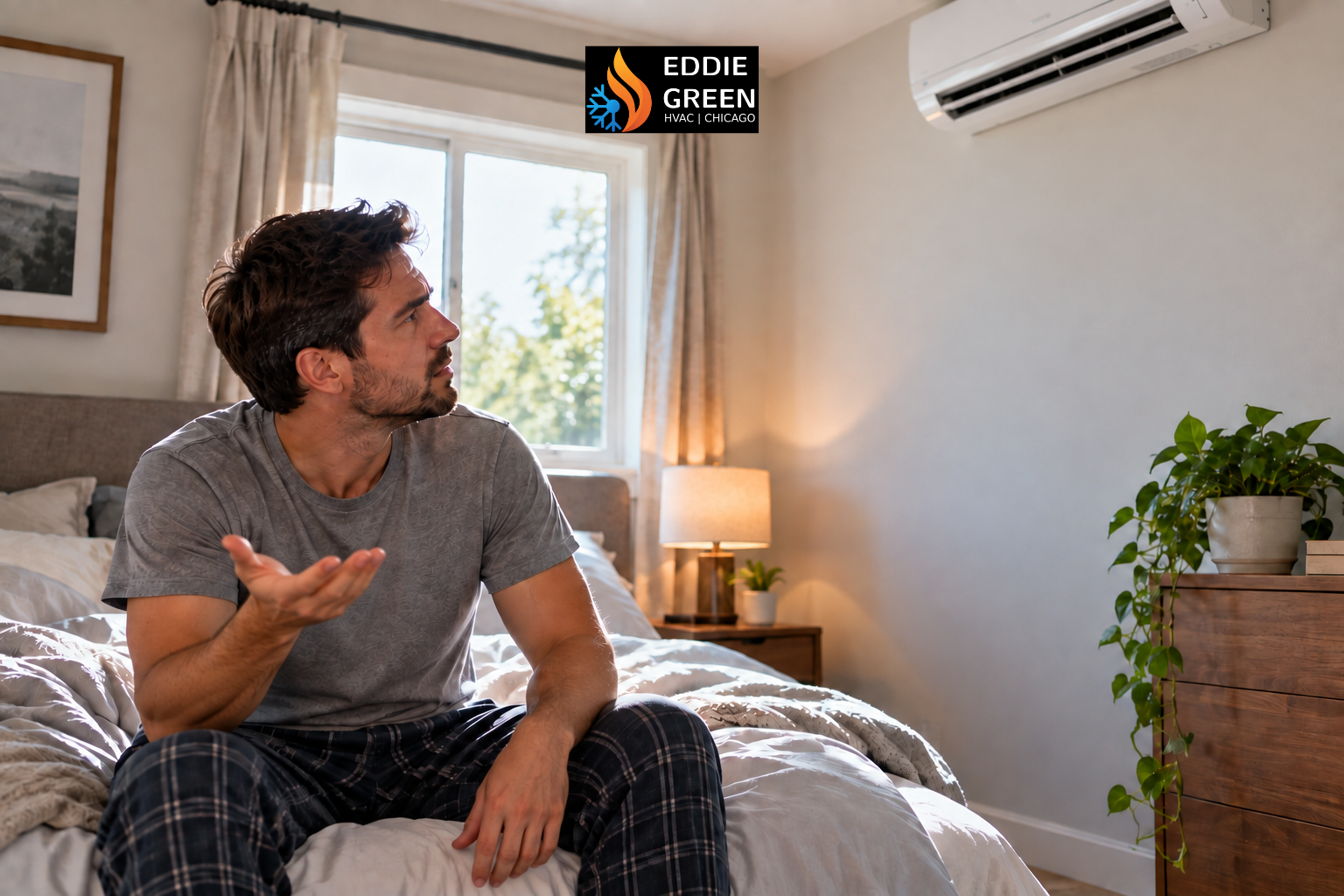
When the weather goes to extremes, almost every heating and cooling system gets put to the test. Whether it's cold or blazing hot, your HVAC system has to work extra hard, running longer and recovering faster than usual. This extra effort can hurt its efficiency, wear it down quicker, and make it tough to keep things comfy at home or work.
Places with big seasonal changes feel this the most. Take Chicago, where one month can bring a deep freeze and the next a heatwave. That's why having a good plan and reliable service is key. To avoid unexpected breakdowns, you might want to consider our residential furnace and AC preventative maintenance program, which catches problems before they turn into big, costly headaches.
In this guide, you'll see why HVAC systems can struggle when the weather's wild, what signs to watch for, and how to keep your equipment in shape with simple maintenance and upgrades. We'll also explore new trends like smart diagnostics and climate-tough technologies to help you make smart choices all year round.
For more on the risks of extreme heat, the CDC's heat and health guidance explains why these conditions pose serious safety concerns for homes and businesses. Understanding how weather affects your HVAC system makes it easier to avoid issues and keep your indoor spaces comfortable.
How Extreme Weather Puts HVAC Systems Under Pressure
Longer run times and higher mechanical strain
When it's super hot or cold, HVAC systems have to run longer to maintain the right temperature. This constant use wears down parts like compressors and fans. Over time, the system doesn't get the breaks it needs, which can lead to failures when you least want them.
Running a system near its limit for days makes small issues turn into big ones. What seems like a minor problem with a filter or refrigerant in spring or fall can lead to poor airflow or even a full shutdown during extreme weather. That's why timely residential AC repair and heating service can really boost reliability.
Temperature swings that challenge system balance
Fast temperature changes mean your system is constantly working to balance indoor conditions. If your home heats up fast during a cold snap or cools down quickly on a hot day, the system has to work harder. In older homes with poor insulation, it might never quite catch up.
Research shows these temperature swings are getting more common and intense, highlighting the need for sturdy design and regular maintenance. The U.S. Department of Energy has tips on energy-efficient heating and cooling, which become even more crucial when the weather gets extreme.
Humidity, wind, and outdoor air conditions
Extreme weather isn't just about temperature. High humidity makes cooling systems work harder to remove moisture, while in winter, dry air and wind can make a building lose heat faster. These conditions require HVAC systems to handle more than just heating or cooling—they must manage air quality too.
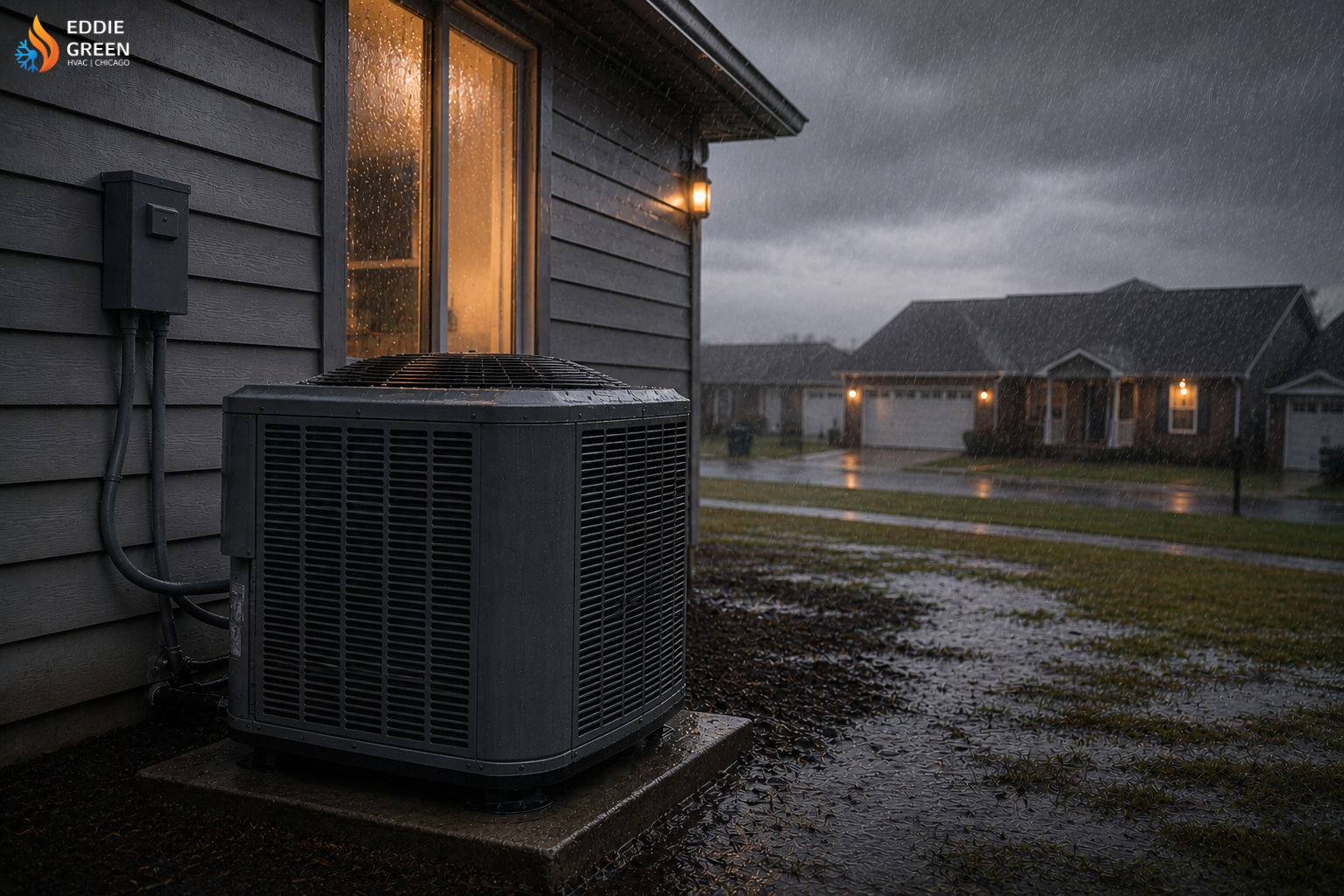
Outdoor conditions also affect the equipment. Heavy rain, snow, and strong winds can interfere with condensers and vents. Keeping these areas clear and scheduling an inspection before bad weather hits is a simple way to cut down on risks.
The Most Common Reasons HVAC Systems Fail in Extreme Weather
Improper system sizing
One main reason for HVAC problems is the wrong system size. A unit that's too small might run non-stop and still not keep up, while an oversized one might turn on and off too often. Both waste energy and shorten the life of the equipment. Proper sizing is crucial, especially when dealing with extreme temperatures.
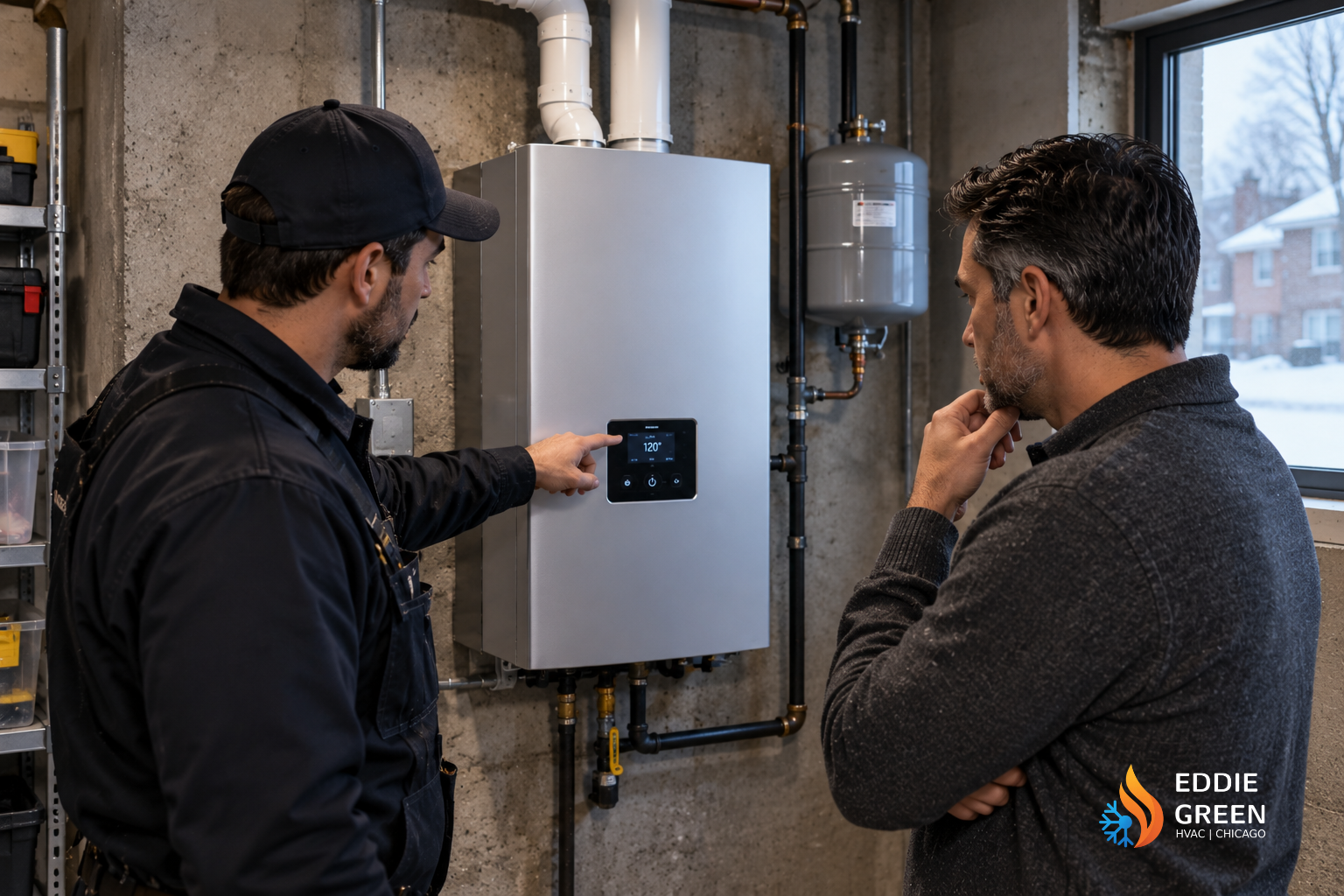
If you're unsure about your system's fit, consider a residential furnace installation or a new cooling system with professional sizing. It's not just about getting a bigger unit, but the right one for your home.
Restricted airflow and dirty components
Blocked airflow is a common issue. Dirty filters, clogged coils, and damaged ducts make it tough for the system to move air efficiently. During extreme weather, even a small airflow problem can cause big issues like frozen coils or overheating.
Regular cleaning and checks help avoid these problems. If you notice weak airflow or uneven temperatures, a detailed inspection can often point out the root cause before it requires a major repair.
Refrigerant issues and heat transfer problems
Refrigerant is key to cooling. When levels are low due to leaks, the system can't absorb or release heat well. This leads to longer run times and more stress on the compressor. In extreme heat, this problem becomes more obvious.
To learn more about this, check out our article on how refrigerant keeps your HVAC system running smoothly. Understanding this process helps identify why a system may not cool properly during a heatwave.
Electrical and control failures
Extreme weather can strain electrical systems. Parts like capacitors and thermostats can overheat in summer or struggle in winter. This can lead to inconsistent performance or frequent shutdowns.
Older systems are more vulnerable because worn parts can't handle stress well. That's why predictive maintenance and early troubleshooting are becoming more popular. Spotting failing parts early can prevent breakdowns during uncomfortable weather.
Why Climate Trends Are Making HVAC Resilience More Important
Rising temperatures and longer heat waves
Climate change is leading to more extreme heat events, which directly affect HVAC systems. In many areas, these systems now operate at levels that used to be rare. Chicago's recent heat events, with highs over 90°F, show how quickly indoor comfort can become a concern.
This is important because heat can be dangerous. The National Weather Service advises serious attention to heat safety, especially for vulnerable groups. Reliable HVAC service becomes essential as weather becomes more extreme.
Emergency preparedness after past disasters
Historic heatwaves have shaped how cities prepare for future emergencies. Chicago's response to the deadly 1995 heatwave highlights the need for evolving infrastructure and community systems. HVAC systems are part of this because they protect health and comfort.
For businesses, this means more than just setting the thermostat. It involves checking system capacity, keeping maintenance records, and planning for backups. For homeowners, it's about spotting system strain before major weather changes hit.
Smarter HVAC technology and predictive maintenance
The industry is adapting with smarter systems and fault-detection tools. Predictive maintenance uses data to catch performance issues before they become problems. Research has explored methods to improve fault detection accuracy across different conditions.
Smart thermostats and advanced monitoring can track usage patterns and cut waste. They don't replace routine service, but they help spot trends like short cycling and unusual energy use. Used properly, they provide a clearer picture of system health.
Warning Signs Your HVAC System Is Struggling
Uneven temperatures and weak airflow
Uneven temperatures are a common sign of trouble. If one room is comfortable and another isn't, there could be airflow issues. Weak airflow from vents is another clue, especially if the fan seems to be working hard.
This is often when homeowners start looking for residential AC installation or repair because they realize the system can't keep up. It's best not to wait for a complete failure. Catching issues early makes them easier to fix.
Frequent cycling and rising utility bills
Short cycling means the system turns on and off too often without completing a full run. This can be due to thermostat issues or dirty components. It wastes energy and stresses parts.
Rising energy bills often accompany these symptoms. If your bill goes up without a change in habits, the system might be compensating for a hidden problem. Tracking energy efficiency should be part of regular maintenance.
Strange noises, odors, and comfort complaints
Unusual noises and odors aren't normal. They might indicate mechanical wear or electrical trouble. During extreme weather, these issues can worsen quickly.
Comfort complaints are also important. If people are frequently adjusting the thermostat or avoiding certain rooms, the system might not be performing well. A trained HVAC contractor can evaluate the whole system instead of just focusing on obvious symptoms.
How to Protect Your HVAC System Before Extreme Weather Arrives
Schedule seasonal maintenance early.
Preventive maintenance is a great way to avoid weather-related problems. A professional tune-up should check filters, clean coils, test refrigerant, inspect electrical parts, and verify airflow. These aren't flashy steps, but they're essential for reliable performance.
To prevent breakdowns, our seasonal maintenance service is designed to keep your equipment running smoothly before demand spikes. For more on this, read our blog about HVAC maintenance frequency.
Improve insulation and seal leaks.
Your HVAC system can only do so much if air is escaping through poor insulation or leaks. Sealing gaps around doors and windows helps reduce strain on the system and keeps temperatures stable.
Better insulation also helps the system recover after power interruptions or extreme temperature changes. When conditioned air stays inside longer, the system doesn't have to work as hard, which can extend its life.
Use smart controls and monitor performance.
Smart thermostats and monitors can reveal patterns you might miss. If your system takes too long to reach the set temperature or cycles too often, these trends show up in the data, giving you a chance to act before a failure.
It also helps to compare performance across seasons. If your system always struggles during the first extreme weather, the issue might be with maintenance timing or system capacity. The goal is to understand how your system behaves under stress so you can support it proactively.
Chicago Case Study: What Extreme Weather Means for Local HVAC Systems
Heat waves and emergency response
Recent heat waves in Chicago have shown how important reliable cooling is. Prolonged high temperatures can quickly overwhelm poorly maintained systems. In densely populated and older areas, the risk is higher because of insulation and duct design issues.
That's why local preparedness matters. Community cooling centers and tree planting help, but individual HVAC systems are crucial for daily comfort. If a home's system is outdated, the first hot week of summer can expose its limits fast.
Older housing stock and duct challenges
Many Chicago neighborhoods have older homes with outdated ductwork or limited insulation. Even a well-maintained system can struggle if air distribution is poor, leading to uneven temperatures and long cycles.
Our article on how ductwork design affects airflow and efficiency explains why distribution is as important as equipment size. Significant duct losses mean a powerful unit still can't deliver comfort evenly.
Why service timing matters in the Midwest
In the Midwest, fast weather changes mean service timing is as crucial as quality. Waiting until the first major storm or heatwave often means calling when technicians are busiest, and your system is under stress. By scheduling ahead, you give your HVAC system the best chance to perform when it matters most.
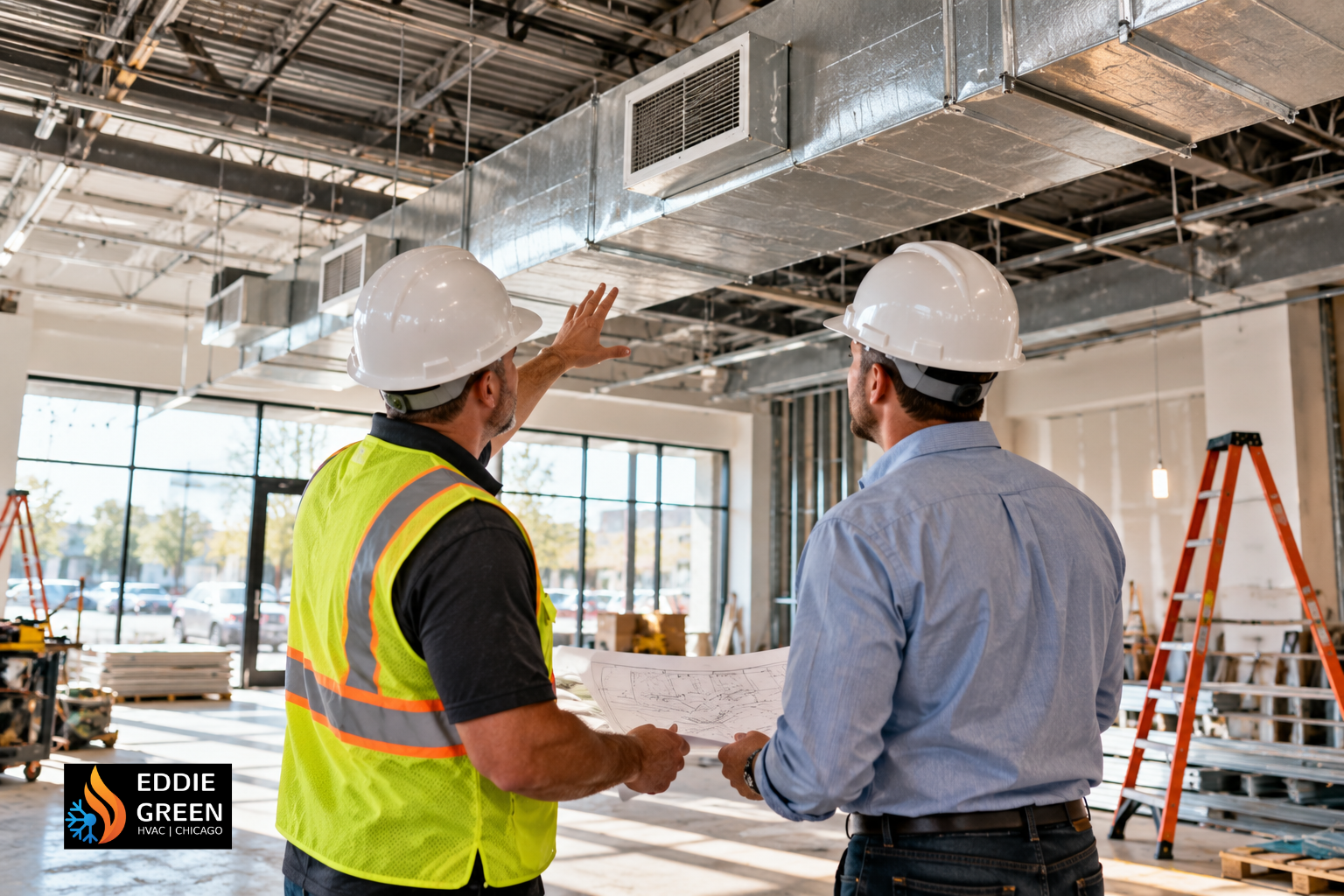
Businesses in Chicago have more at stake because uncomfortable indoor conditions can affect customers and productivity. That's why many property owners consider commercial HVAC installation when systems start failing during severe weather.
When Repair, Replacement, or Upgrades Make Sense
When a repair is enough
Many weather-related problems can be fixed with a targeted repair. Replacing a capacitor or sealing a refrigerant leak may quickly restore performance if the system is otherwise in good shape. A repair is often right when the system isn't too old, the problem is isolated, and costs are reasonable.
Repairs should be considered in context, though. If breakdowns are frequent or the system struggles after repair, you might have a deeper issue. In those cases, a repair might only be a temporary fix.
When replacement is the better investment
Replacement makes sense when the system is old, inefficient, or can't handle extreme weather. Newer systems often control humidity better and use less energy. In places like Chicago, this can lead to noticeable comfort improvements.
If you're comparing options, our guide on repair vs. replace decisions can help you think through cost, age, and performance factors. A well-sized replacement can also eliminate the ongoing cost of patching a failing system.
Upgrades that improve resilience
Some of the best upgrades aren't full replacements. Variable-speed motors, better filtration, zoning controls, upgraded insulation, and smart thermostats can all boost performance during extreme weather. High-efficiency systems like VRF can offer flexible comfort while saving energy.
The right upgrade depends on the building and how you use it. A professional evaluation helps decide whether to repair, partly upgrade, or fully change the system. This planning often separates systems that barely survive extreme weather from those that handle it well.
Frequently Asked Questions About HVAC Performance in Extreme Weather
How can I improve efficiency during extreme weather?
Start with maintenance: clean filters and ensure clear airflow. Improve insulation, seal leaks, and use your thermostat wisely. Small changes can cut system load significantly during temperature spikes or drops.
What are the first signs my system is struggling?
Watch for weak airflow, uneven temperatures, strange noises, short cycling, and rising energy bills. These are often early signs of stress, indicating professional help might be needed to prevent failure.
Is a more robust system worth the investment?
In areas with big seasonal swings, a properly sized and efficient system usually pays off. Better comfort, fewer emergency repairs, and lower operating costs can make the investment worth it, especially where extreme weather is common.
Conclusion
Extreme weather pushes HVAC systems to their limits, revealing issues with sizing, airflow, refrigerant levels, controls, and maintenance. The harsher the weather, the more important it is to keep your equipment clean, adjusted, and suitable for your building's needs.
Homeowners and businesses should focus on prevention. Schedule regular service, watch for warning signs, and consider upgrades before minor issues turn into full breakdowns. If your system is already showing strain, now's the time to act with a trusted local team that understands how weather affects your comfort and system performance.
To prep your system for the next severe cold snap or heatwave, check out our residential furnace repair, residential AC repair, and preventative maintenance services, or contact Eddie Green HVAC at (224) 857-3327 for expert help. Reliable comfort starts with being prepared, and preparation starts now.