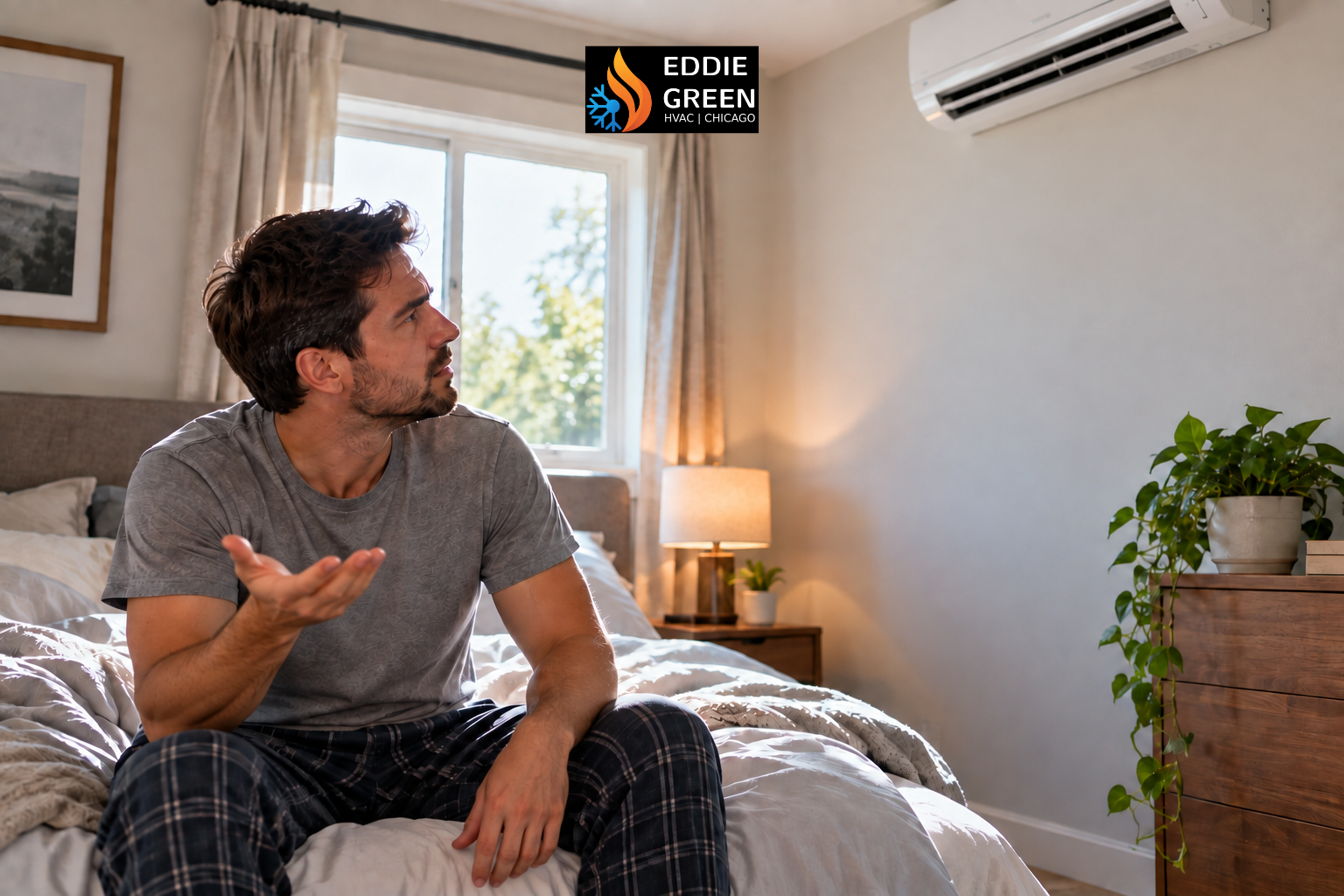
When your HVAC system is on the fritz, it rarely just stops working without giving you a heads-up. Usually, you’ll notice things like uneven temps, weird noises, high energy bills, or a unit that just doesn’t seem to stop running. Spotting these early signs can save you from costly repairs and keep your home comfy. And if you’re looking for a broader care plan, our preventative maintenance service helps catch issues before they turn into emergencies.
Modern HVAC systems are getting smarter, too. They’re using predictive maintenance tools and machine-learning diagnostics to keep an eye on things and alert you to potential problems before they get serious. This means you have more ways to stay ahead of issues, especially when combined with regular inspections and professional tune-ups. Regular care, like filter changes, coil cleaning, and annual checkups, is recommended by HVAC maintenance experts and energy-efficiency research on HVAC efficiency and maintenance impacts.
Why Early HVAC Issues Matter
Small Symptoms, Big Repairs
Your HVAC system usually gives subtle hints before a major breakdown. A weak airflow problem might start with a clogged filter or dirty coil. Ignoring it can strain the blower motor and compressor. Similarly, a thermostat issue might seem like a comfort problem, masking deeper electrical or control issues. Acting early usually means a simpler repair, lower costs, and less disruption to your home comfort.
Energy Waste Comes Before the Breakdown
If you notice a sudden spike in your utility bills, that’s a red flag. HVAC systems account for a big chunk of energy use, so a drop in performance can have a significant impact. Even a modest drop in efficiency can lead to noticeable monthly bill increases. Keeping an eye on your bills can help you catch issues early. If your AC isn’t cooling well, a quick residential AC repair can stop a small problem from becoming a costly replacement later.
Comfort Changes Are Early Clues
Notice that one room is hotter while another is colder, or the system can't keep up during extreme weather? Uneven performance isn’t just annoying; it can indicate airflow restrictions, duct issues, refrigerant loss, or system sizing concerns. For more on airflow problems, check out our guide to ductwork design and airflow efficiency.
Common Signs Your HVAC System Might Be Failing
Weird Noises and Vibrations
A well-functioning HVAC system should sound consistent. If you hear banging, grinding, squealing, rattling, or buzzing, something might be loose, worn, or failing. A squeal may suggest belt or motor strain, while grinding might indicate a bearing problem that needs attention. If the noise is new or getting worse, it’s time to have a professional check it out before it spreads to other parts.
Weak or Inconsistent Airflow
When airflow drops, your system is working harder but providing less comfort. It may be due to something as simple as a dirty filter, or something more complex like a failing blower motor, blocked ducts, or frozen coils. Poor airflow reduces efficiency and can lead to short cycling or overheating. You’ll often notice this during extreme weather when your system should be at its best.
Frequent Cycling or Nonstop Running
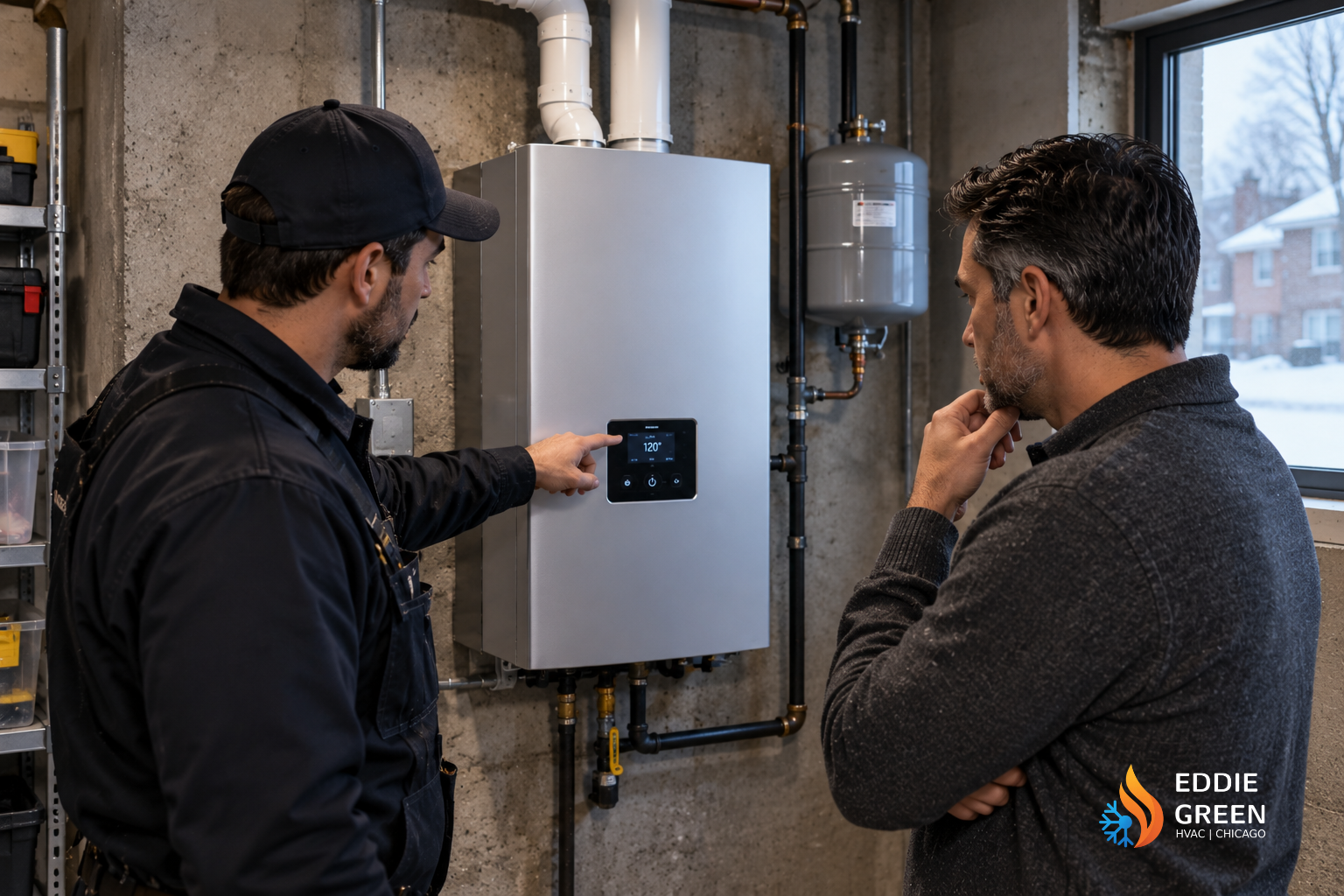
If your HVAC unit keeps turning on and off or runs nonstop without reaching the set temperature, that’s a red flag. Short cycling can point to thermostat problems, refrigerant issues, or an oversized or undersized system. Constant running can be just as concerning, signaling the system is struggling to meet demand. For reliable heating support, residential furnace repair can address ignition, airflow, and performance problems before winter hits.
Spike in Energy Bills
Energy use generally increases gradually, so a sudden jump without changes in weather or habits should raise concern. A system low on refrigerant, clogged with dirt, or struggling mechanically uses more electricity while providing less heating or cooling. Regular maintenance can improve system efficiency by up to 30%, so inspections matter. If your bills rise with weaker comfort, it’s time to check things out.
HVAC Maintenance Tips to Prevent Breakdowns
Replace Filters Regularly
Air filters should be replaced every one to three months, depending on usage, pets, and air quality. A clogged filter restricts airflow, makes your system work harder, and can lead to coil freezing or blower strain. This simple task boosts performance and reduces wear. If you want a seasonal plan, our preventative maintenance program offers structured support.
Keep Coils and Outdoor Units Clean
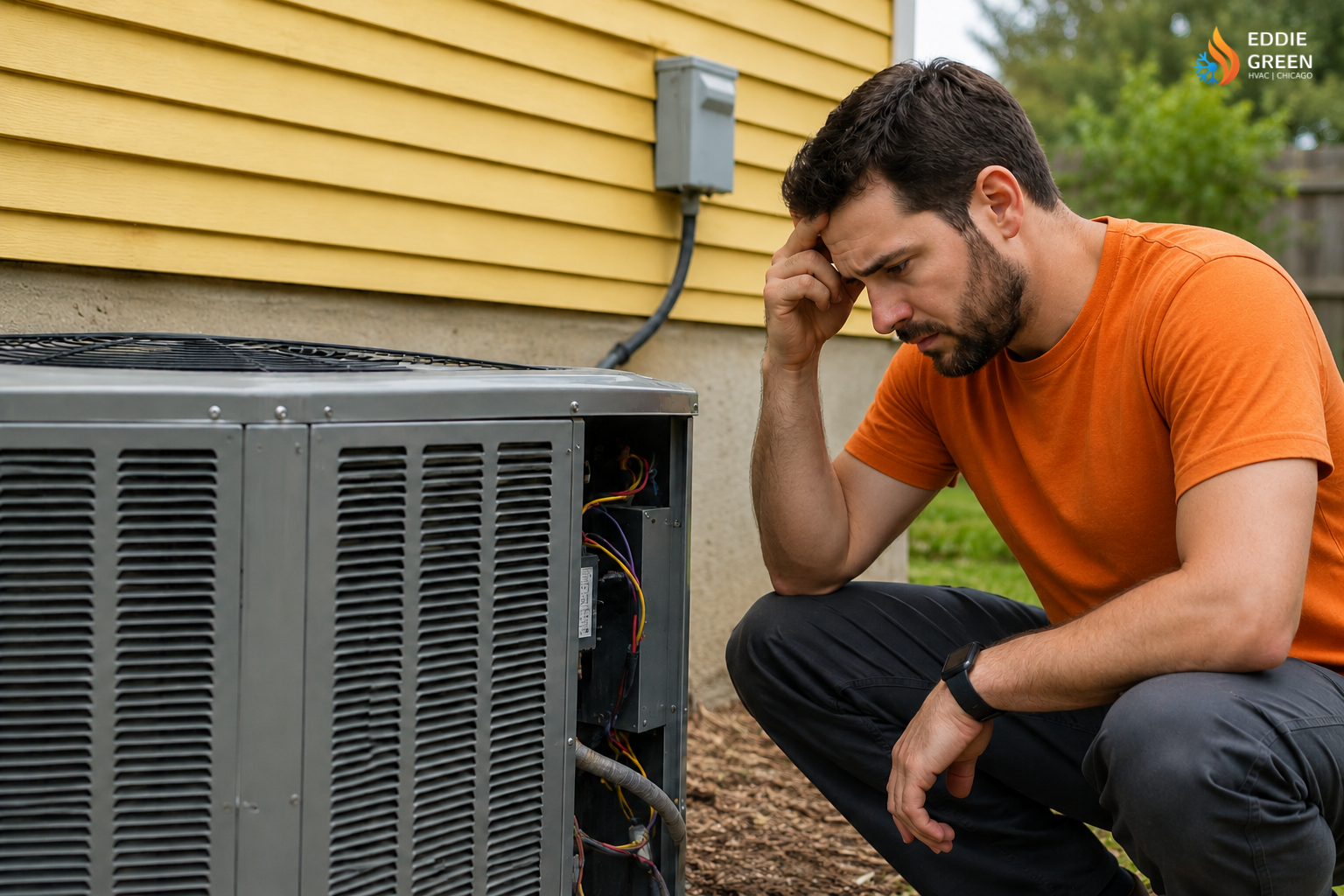
Dirty evaporator and condenser coils reduce heat transfer, which lowers efficiency and increases runtime. Outdoor units are prone to leaves, grass, dirt, and debris, which can interfere with performance. A regular cleaning routine helps the system breathe and reduces strain on essential parts. This is often overlooked since the equipment might still run even when performance drops.
Schedule Annual Professional Inspections
Annual tune-ups can spot failing parts before they stop working entirely. A technician can check electrical connections, safety controls, refrigerant levels, and overall system health. Routine service helps extend equipment lifespan and prevents small problems from becoming major ones. A professional visit can also support long-term budgeting, helping you decide whether repair or replacement makes sense.
Use Smart Diagnostics if Available
New HVAC tech is moving toward predictive maintenance with systems that can monitor their performance and alert you to potential issues. These tools are especially helpful because they can identify patterns that might not be obvious during a quick visual inspection. If your system supports smart monitoring, use it as an early warning system rather than waiting for a full failure.
How Chicago Weather Can Accelerate HVAC Problems
Seasonal Extremes Add More Strain
Chicago homes endure harsh winters, humid summers, and dramatic temperature swings, all of which stress HVAC equipment. In winter, furnaces work longer to keep up with cold air infiltration. In summer, air conditioners combat humidity and heavy cooling demand. When systems are already dirty or aging, added strain can expose weaknesses and trigger breakdowns.
Local Buildings Face Unique Wear Patterns
Older homes and urban properties often deal with duct leakage, insulation gaps, and ventilation challenges. These issues can cause uneven loads, making the HVAC system cycle inefficiently. Often, the system isn’t failing due to one part alone, but because the home’s setup makes it work too hard. A professional assessment is useful for homes in dense neighborhoods and weather-exposed areas.
Maintenance Matters in Extreme Climates
When temperatures swing sharply, even minor issues can become urgent. A worn belt or weak capacitor, tolerable in mild weather, can leave you without heating or cooling during peak demand. Homeowners in challenging climates should make seasonal maintenance a habit. If your home needs heating support before winter, residential boiler repair is an important safeguard for homes relying on hydronic systems.
Real-World Example: A Simple Fix That Prevented a Major Failure
Case of Rising Bills and Weak Cooling
One Chicago homeowner noticed the upstairs bedrooms were warmer than usual, and the electric bill climbed over two months. The system was also cycling longer than normal. After inspection, the technician found a clogged air filter and dirty condenser coils, reducing efficiency. The repair was straightforward: clean the coils, replace the filter, and restore proper airflow.
Why It Mattered
After fixing the basic issues, the system cooled more evenly, and energy costs dropped. More importantly, the homeowner avoided strain that could damage the compressor or blower motor. This example shows that early warning signs don’t always mean a catastrophic failure is near, but they do mean the system needs attention. Small repairs today prevent expensive emergencies tomorrow.
Lessons for Homeowners
If your HVAC system feels different, sounds different, or costs more to operate, check it out. Don’t wait for a complete breakdown. If you need help deciding whether to repair or replace, our repair vs. replace guide can help evaluate the best path forward.
When to Call a Professional Right Away
Safety Concerns Shouldn’t Wait
Some warning signs need immediate attention. Burning smells, electrical buzzing, frequent breaker trips, or moisture around the unit can indicate hazardous conditions. If you suspect a gas leak, electrical failure, or major refrigerant issue, shut the system down and call for service right away. Safety comes first, especially when equipment problems affect both comfort and home health.
Worsening Performance Problems
If a system gets louder, cycles more often, or fails to hold temperature even after filter changes, the issue is likely beyond a quick DIY fix. Problems that keep getting worse often lead to full breakdowns. A professional can test components, identify root causes, and recommend the right repair before the system reaches a critical stage. For cooling issues needing prompt attention, residential AC installation might be the better choice when a failing system is too old or too damaged for repeated repairs.
Consider Age and Repair Frequency
As HVAC systems age, they usually need more frequent service and become less efficient. If you’re calling for repairs more often, it may be time to consider the bigger picture instead of treating each failure as isolated. Repeated breakdowns can signal that replacement is more cost-effective long-term. A professional evaluation can help decide whether continued repairs make sense for your home and budget.
How Predictive Maintenance Is Changing HVAC Care
Better Data, Earlier Detection
Predictive maintenance uses system data to spot patterns that suggest future failure. This might include unusual vibration levels, temperature drift, airflow changes, or electrical irregularities. Rather than waiting for a part to fail, technicians can act earlier and fix the problem before comfort is lost. The shift toward smart diagnostics is a key development in HVAC reliability.
Fewer Surprises for Homeowners
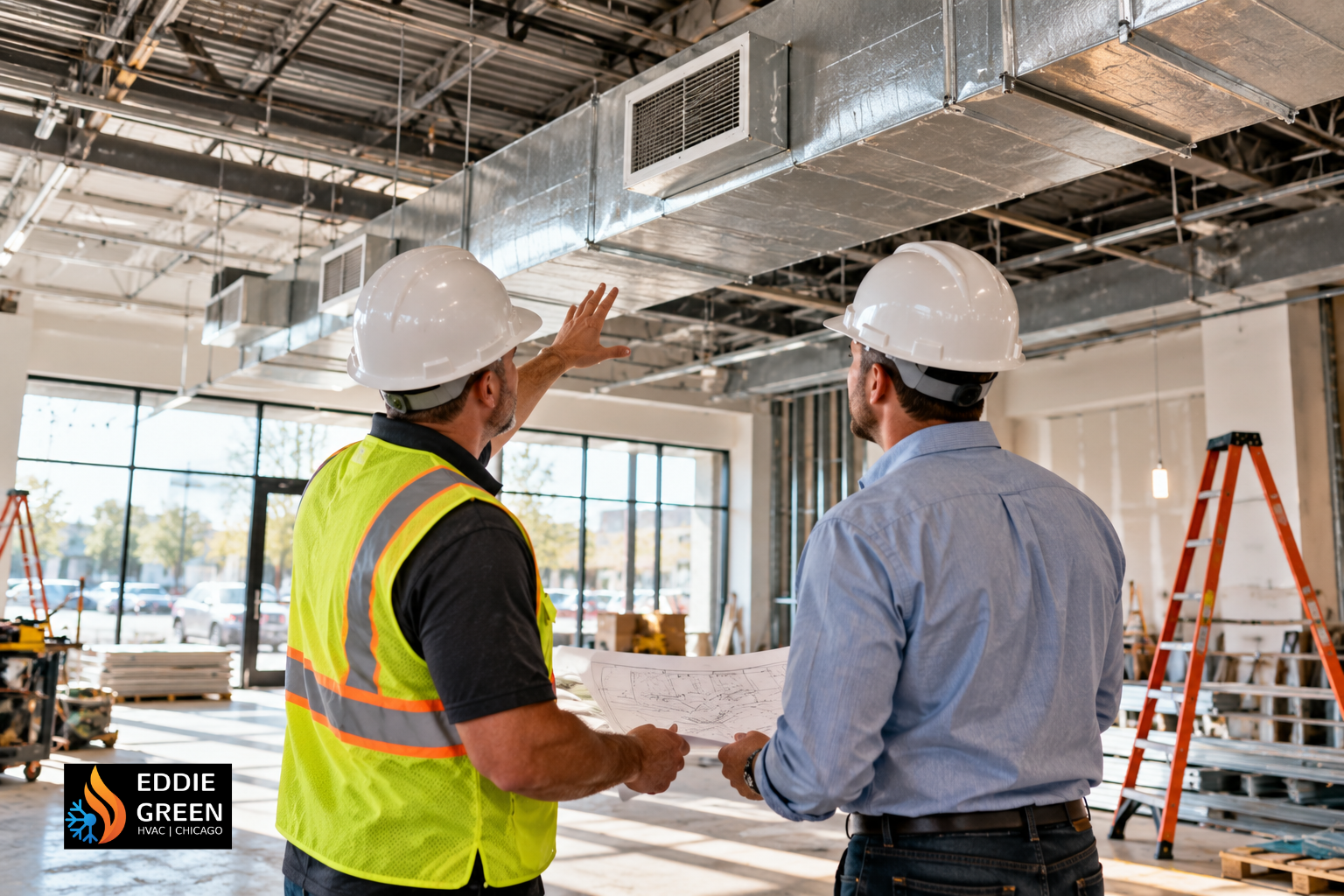
One of the biggest perks of predictive maintenance is predictability. Instead of being surprised by a breakdown on the hottest or coldest day, homeowners can plan service around warning indicators. This means fewer emergency calls, less discomfort, and better budgeting over time. For commercial properties with more complex systems, commercial HVAC installation and maintenance planning are crucial since downtime affects more than one household.
Why Human Inspections Still Matter
Even with smart tech, professional expertise is essential. Sensors and algorithms can flag problems, but trained technicians are still needed to confirm the issue and perform the repair correctly. The best results come from combining modern diagnostics with real-world experience. That balance gives homeowners the highest chance of catching a breakdown before it happens.
Frequently Asked Questions About HVAC Breakdown Signs
How Often Should I Replace My Air Filter?
Most homeowners should replace filters every one to three months. If you have pets, allergies, or heavy system use, you may need to change them more often. A clean filter is a simple way to protect airflow and system efficiency.
What Are the Earliest Signs My HVAC Needs Repair?
The earliest signs often include inconsistent temperatures, strange noises, weak airflow, higher energy bills, and frequent cycling. A system that feels less responsive than usual deserves attention. These clues often appear long before a complete breakdown.
Can I Troubleshoot the Problem Myself?
You can check thermostat settings, replace filters, and ensure vents are open and unobstructed. You can also look for visible debris around outdoor units. But electrical issues, refrigerant leaks, and internal mechanical problems should always be handled by a licensed professional.
Is It Worth Repairing an Older HVAC System?
It depends on the age, condition, repair history, and efficiency of the system. If repairs are becoming frequent or expensive, replacement might offer better long-term value. A professional assessment can help weigh comfort, cost, and reliability.
Final Takeaways and Next Steps
Know the Warning Signs Early
The best way to avoid a major HVAC breakdown is to pay attention to small changes. Noises, airflow issues, cycling problems, and higher bills are all signs that something might be wrong. The earlier you act, the more options you have, and the less likely you are to face a major emergency.
Stay Consistent with Maintenance
Routine care is still the most effective way to prevent failures. Change filters regularly, keep coils clean, and schedule annual inspections so problems can be caught early. Good maintenance not only improves comfort but can also save energy and extend equipment life.
Get Expert Help Before the Problem Grows
If your system is showing warning signs, don’t wait for a total shutdown. Our team at Eddie Green HVAC can help diagnose the issue, recommend the right repair, and keep your home comfortable through every season. For personalized help, call (224) 857-3327 or visit our website to schedule service and protect your system before it breaks down.