When the AC Runs but the House Still Feels Warm
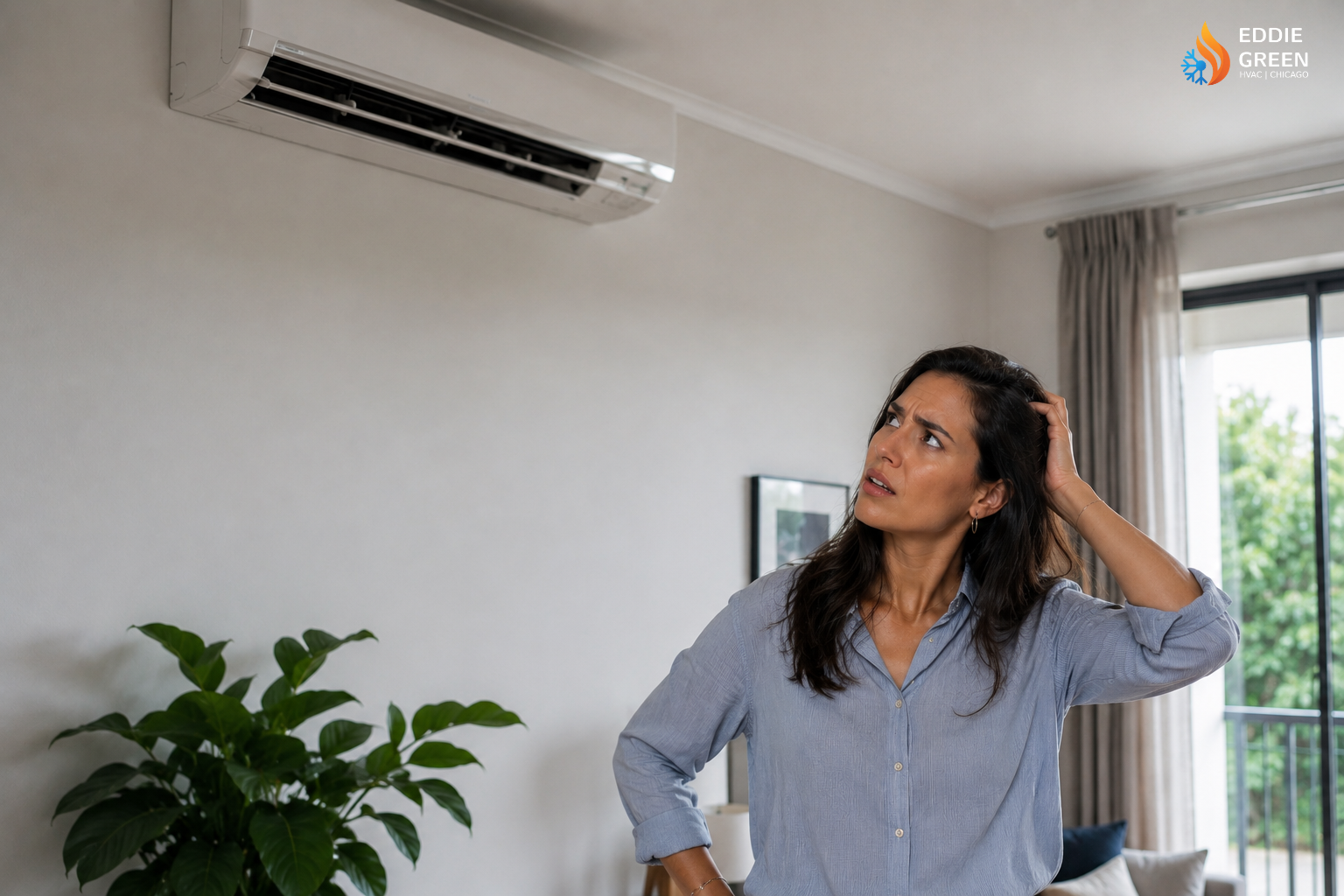
There's nothing more annoying than an air conditioner that seems to be working but doesn't cool your home. You hear the blower, you set the thermostat, yet the air feels lukewarm. If this sounds familiar, your system might be struggling with an issue that needs sorting out before it leads to a bigger breakdown.
Many times, weak cooling is due to pretty common causes that you can diagnose. Often, a quick filter swap, a coil cleaning, or a thermostat check can get things back to normal. But sometimes, you might need a pro, especially if it’s a refrigerant issue, frozen coils, or electrical problems. If you're looking for a local fix, our residential AC repair service can tackle those cooling problems fast.
According to the U.S. Department of Energy, space cooling takes up a large chunk of household energy use, making efficiency and regular maintenance crucial. You can find more about energy use and HVAC efficiency at Energy Saver. Knowing how your AC works and why it might stop cooling well helps you make smarter repair choices and avoid wasting electricity.
The Most Common Reasons an AC Runs Without Cooling
Dirty or clogged air filters
A dirty air filter is often behind weak cooling. When packed with dust or pet hair, airflow drops, and the evaporator coil can't absorb heat well. The AC might keep running longer to compensate, but the air from the vents will feel weaker.
Filter problems are easy to prevent. Check filters every month and replace or clean them every one to three months, depending on usage and pets. This simple habit can improve comfort and reduce strain on the system. If weak cooling is a regular thing, pairing routine filter care with preventative maintenance can make a big difference.
Low refrigerant or a refrigerant leak
Refrigerant moves heat out of your home, so low levels can make your AC run without cooling effectively. Many think refrigerant gets "used up," but in a sealed system, it shouldn’t. Low levels often mean a leak, needing professional diagnosis and repair.
Symptoms of refrigerant issues include weak cooling, hissing sounds, ice on the coil, or long run times with little temperature change. Because handling refrigerant is regulated, it's not a DIY job. A trained technician should find the leak, fix it, and recharge the system. For more on refrigerants, check out the Air-Conditioning, Heating, and Refrigeration Institute.
Frozen evaporator coils
Frozen coils often happen due to airflow restriction or low refrigerant. Ice-covered coils can't absorb heat well, so the system keeps running while cooling performance drops. You might notice reduced airflow or water around the indoor unit after thawing.
If you suspect ice on the coil, turn off the system and let it thaw before restarting. Running the AC with a frozen coil can worsen the problem. After thawing, fix the underlying cause, whether it's a filter issue or a refrigerant leak. For homes with recurring ice problems, professional cooling repair is a safe next step.
Dirty outdoor condenser unit
The outdoor unit releases heat, so it needs clean airflow. Grass clippings, leaves, and dirt can make the condenser work harder. When this happens, the system may struggle to keep up on hot days.
Keep a clear space around the outdoor unit and check it after storms. A gentle rinse with a hose can remove dirt, but stubborn buildup might need professional cleaning. If the unit is in a tight spot, blocked airflow can be a problem that deserves a full system evaluation. In dense urban areas, proper installation and placement matter as much as the equipment itself.
Thermostat errors and control issues
Sometimes, the problem isn't with the cooling system. Incorrect thermostat settings or a malfunctioning sensor can make the AC cycle incorrectly. Smart thermostats can improve comfort, but they can also be confusing when not configured correctly.
Quick checks can rule out the basics: make sure the thermostat is set to cool, the fan to auto, and the temperature is lower than room temperature. Replace batteries if needed, and ensure the thermostat isn't reading false heat. If controls still don’t respond, a thermostat calibration or replacement might be necessary.
What You Can Safely Check Before Calling for Help
Start with airflow and filter inspection.
Before jumping to conclusions, check the simplest parts of the system. Make sure return vents aren’t blocked by furniture or curtains, and check the filter. Replace it if it looks dirty. These small steps can often improve cooling noticeably.
Walk through the home and compare room temperatures. If one room is hot while others are cool, duct leakage or balancing issues might be the problem. For more on airflow and performance, see our guide to ductwork design.
Check the outdoor condenser and the surrounding area.
Inspect the outdoor unit and clear away leaves or debris. If the condenser is dirty, it may lose efficiency as heat can't escape well. Make sure it has room to breathe and that nothing is crowding it.
According to the U.S. Environmental Protection Agency, maintaining HVAC equipment can reduce energy waste. Their home energy guidance is helpful if you want to understand cooling inefficiencies and costs. A system that runs longer than necessary not only feels uncomfortable but can also raise utility bills.
Look for signs of ice, leaks, or unusual sounds.
Ice on the coil, sweating refrigerant lines, or water pooling under the unit suggest issues that need attention. Unusual sounds like hissing or buzzing may point to refrigerant loss or electrical trouble.
If you notice these warning signs, shut the system off and wait for a technician. Restarting a compromised system can temporarily hide the problem while worsening the damage. This is a clear time to schedule a professional diagnosis.
Why Regular Maintenance Prevents Weak Cooling
Annual inspections catch hidden issues early.
Preventive maintenance is the best way to reduce the odds of your AC running but not cooling. A skilled technician can inspect refrigerant levels, electrical connections, and more before small issues become big repairs.
Regular tune-ups find weak spots before homeowners notice anything wrong. Systems under heavy load during hot weather are more likely to have problems. Homeowners who schedule regular service often experience fewer breakdowns and better comfort. Our seasonal maintenance service is designed around these concerns.
Clean coils and clear drains improve efficiency.
Evaporator and condenser coils transfer heat, and they work best when clean. Dusty coils force the compressor to work harder, reducing cooling output. A blocked drain can cause leaks or safety shutoffs.
Clean components improve comfort and support lower energy use. As summer temperatures rise, AC maintenance becomes more important. This maintenance overview highlights why tune-ups are more than routine upkeep.
Thermostat calibration keeps the system honest.
A thermostat off by a few degrees can make a home feel too warm or cause the AC to run longer than needed. Calibration issues are easy to miss because the equipment seems to work. But inaccurate readings can waste energy.
During maintenance, a technician can compare thermostat readings to actual conditions. In homes with smart thermostats, software settings should also be reviewed. Small errors can cause big comfort issues.
Chicago-Specific Cooling Challenges Homeowners Should Know
Humidity makes weak cooling feel worse.
Hot, humid weather makes AC performance tricky because the system must remove both heat and moisture. In Chicago, a unit barely keeping up might leave the home feeling muggy. That's why poor humidity control often goes hand in hand with cooling complaints.
When humidity is high, the AC may need longer runtimes and correct airflow to keep conditions comfortable. If the system is oversized, it may cool quickly but fail to dehumidify well. Understanding the balance between temperature and moisture is key to finding the right solution.
Urban properties often face airflow and placement limits
Chicago homes often have tight spaces and limited outdoor clearance. Those conditions can make it harder for an AC system to breathe. In some cases, the outdoor unit may be in a narrow side yard, trapping warm air.
That's why professional system sizing and layout matter. A properly installed system is more likely to deliver stable cooling. If your equipment was never a great fit, it may be worth reviewing the design with a team that handles HVAC installation.
Heat waves expose hidden weaknesses.
During extreme heat, small AC problems become obvious quickly. A system that seemed "fine" in mild weather may struggle once outdoor temperatures rise. That's why weak cooling is often noticed during the hottest week of summer.
When demand spikes, older systems, dirty equipment, and poor airflow are exposed. This is also when emergency service calls rise, as a weak system can turn into a no-cooling emergency. Planning with maintenance and timely repair helps avoid surprises during a heatwave.
Real-World Examples of ACs That Run but Don’t Cool
Case study: a clogged filter and blocked condenser
A Chicago homeowner called for help when their AC ran constantly, but the upstairs rooms stayed warm. The technician found a severely clogged filter and leaves packed around the outdoor condenser. Once cleared, cooling improved, and the system didn't run as long.
This shows how simple issues can cause major comfort problems. The homeowner thought the equipment was failing, but reduced airflow was the real cause. In many homes, basic maintenance is enough to restore performance.
Case study: high bills and a weak smart thermostat setting
Another building owner noticed a sudden jump in energy costs and poor cooling in offices. The thermostat was on an aggressive schedule, and the sensor was miscalibrated. After adjustments and a maintenance plan, comfort improved, and energy use dropped 15%.
This shows cooling problems aren't always mechanical. Sometimes, better controls and scheduling, along with a system tune-up, solve issues. For more on energy-saving strategies, our HVAC energy savings guide offers practical steps.
When It’s Time to Call an HVAC Professional
Persistent weak cooling after basic checks
If you've replaced the filter, checked the thermostat, cleared the outdoor unit, and still have poor cooling, it's time for professional help. The issue may involve refrigerant, coils, blower performance, or electrical faults.
A professional technician can measure pressures and inspect components to determine if the system is repairable or nearing its end. This diagnostic work often saves homeowners from repeated frustration. If you're unsure whether repair or replacement makes sense, our repair vs. replace guide can help.
Safety issues and repeated freezing
Some symptoms need immediate attention: burning smells, repeated breaker trips, or ice that returns after thawing. These can signal electrical hazards or airflow failures.
Call sooner if the system is older, and you notice poor cooling and rising utility bills. Older equipment can be repaired, but decisions should be based on a full review. A good contractor will explain the issue clearly and recommend the best path forward.
Choosing a service that solves the root cause
The best HVAC service restores cooling and identifies why the problem happened. That may include cleaning components, repairing duct leaks, or recommending a more efficient replacement.
If you're looking for a dependable solution, choose a contractor who explains the diagnosis and next steps. This is valuable during peak summer when you need both speed and accuracy. A well-done repair should give you confidence that the system is ready for the next heat wave.
How to Prevent the Problem Next Season
Set a seasonal maintenance routine.
The simplest prevention strategy is consistent maintenance. Replace filters, keep the outdoor unit clean, and book a spring tune-up. These steps reduce unexpected breakdowns and help your system perform efficiently.
Think of AC care like regular vehicle maintenance. The system will last longer and run better with preventive attention. If you want a convenient local option, our preventative maintenance service is designed to catch issues before they disrupt your comfort.
Pay attention to warning signs early.
Don't wait for a complete failure if you notice weaker airflow, longer run times, or new noises. Early action is almost always cheaper and less stressful.
Keeping a note of symptoms, dates, and thermostat settings helps technicians diagnose the issue faster. A clear history often leads to a quicker repair.
Improve the system around the AC, not just the AC itself
Cooling performance depends on more than the machine. Ductwork condition, insulation, and thermostat placement all influence how well the AC can keep up.
A full comfort strategy often includes both equipment maintenance and airflow improvements. For more on ducts and comfort, our ductwork performance article explains why good distribution is just as important as cold air production.
Final Thoughts: Restore Comfort Before the Heat Wins
An AC that runs but doesn’t cool is usually trying to tell you something. It could be a clogged filter or a refrigerant leak. The key is to check the obvious causes first and call a professional when needed.
In hot weather, especially during Chicago’s humid summers, efficient cooling affects comfort and energy costs. By keeping up with maintenance and getting expert help when needed, you can keep your home cooler.
If your AC is running but not cooling, Eddie Green HVAC is ready to help with inspections, repairs, and maintenance. Contact our team today to schedule service and restore comfort before the next heat wave hits.