Furnace Warning Signs You Shouldn't Overlook in Chicago
Your furnace usually gives you a heads-up before it breaks down completely. Spotting these early clues can help you avoid unexpected repairs, keep your home cozy, and decide whether it's time for repairs or a new system. Want to know more about how your heating system should perform? Check out our furnace performance guide and preventative maintenance services for some handy tips.
This guide covers the telltale signs that your furnace might be on its last legs, what those signs mean, and when it's time to call in the pros. We'll also look at maintenance tips, predictive diagnostics, and practical advice for staying ahead of winter woes. The U.S. Department of Energy points out that regular maintenance boosts heating efficiency and cuts down on unnecessary strain, making early action a smart move for homes that rely on their furnace daily.
Why Noticing Early Furnace Signs Matters
Breakdowns Don't Happen Overnight
Most furnace issues start small and get worse over time. Things like a weak blower motor or a dirty burner assembly might not stop your system right away, but they do add stress. When these issues pile up, your furnace becomes less reliable and more costly to run.
Pay attention to changes in comfort, noise, and energy use. If your furnace used to keep things cozy but now struggles, it’s trying to tell you something. Catching these problems early can save you time and money, but ignoring them might leave you in the cold on a freezing night.
Comfort Changes Are Your First Clue
Notice a change in how comfy your home feels? Maybe some rooms are cooler than they used to be, drafts are more noticeable, or your furnace runs non-stop without reaching the set temperature. These issues often point to airflow problems, thermostat troubles, worn-out parts, or ductwork issues. If airflow is the culprit, a professional can figure out if it's the furnace or something else in the system.
If you're weighing your options, check out our repair versus replacement guide before a minor issue becomes a big expense. Younger furnaces might benefit from a repair, but older ones with frequent problems might be nearing the end.
Signs Your Furnace Might Quit Soon
1. Strange Noises
Furnaces make noise, but if you hear loud banging, rattling, grinding, squealing, or booming, something’s up. These sounds can mean loose parts, worn belts, or ignition problems. A booming sound, especially, can indicate gas buildup, which needs immediate attention.
If your furnace is louder than before, it might be a sign that a part is wearing out. Even if it still heats your home, the noise is a warning that something's strained. Fixing it early can prevent bigger problems down the line.
2. Higher Energy Bills
If your heating bills have spiked without a clear reason, your furnace might be to blame. As parts age, your furnace might run longer to heat the same amount. Dirty filters, weak airflow, and ignition issues all lower efficiency and hike up energy use. The EPA says that improving HVAC efficiency through maintenance can cut wasted energy and boost comfort.
If your bills are climbing and your heating habits haven’t changed, it’s time for an inspection. A technician can find out if it's a simple maintenance issue or a sign that your furnace is nearing the end.
3. Frequently Turning On and Off
Short cycling is when your furnace switches on and off more than it should. This can be due to restricted airflow, overheating, thermostat problems, improper sizing, or internal issues. It wears out the ignition system, blower motor, and heat exchanger, making your home less comfortable.
Frequent cycling is usually a symptom of a deeper issue. If your furnace keeps starting and stopping, don’t wait for a complete failure before getting it checked.
4. Weak or Inconsistent Airflow
If your furnace is running but not much warm air is coming out, airflow might be blocked. Clogged filters, dirty blower parts, blocked vents, or failing fan motors can all be to blame. Sometimes, the furnace heats well, but the system can’t distribute it effectively.
Poor airflow isn’t just uncomfortable. It can cause overheating, trigger safety shutoffs, and wear out the system. Routine maintenance, like changing filters every one to three months, keeps airflow in check and prevents unnecessary wear.
5. Uneven Heating
If some rooms are much warmer or colder than others, it might be a furnace or duct issue. A weak blower, failing controls, or blocked airflow can make it tough for the system to spread heat evenly. This often sneaks up on you, but it's a sign the furnace isn’t working efficiently.
If your home suddenly feels different in each room, check the thermostat, filters, and vents first. If those are fine, it might be a bigger issue needing a technician. For more on spotting system-wide problems, see our HVAC issue spotting guide.
Signs of Mechanical Wear
6. An Aging Furnace
Age doesn’t guarantee failure, but it matters. Furnaces typically last 12 to 20 years with good care. As they get older, wear-related issues become more likely. Older furnaces might still work, but they’re often less efficient and more costly to fix.
If your furnace is over 15 years old and needs frequent repairs, start planning. Repeated service calls add up, and older systems might be tough to find parts for. In this case, a replacement quote can help you decide between short-term repair costs and long-term savings.
7. Ignition or Pilot Light Problems
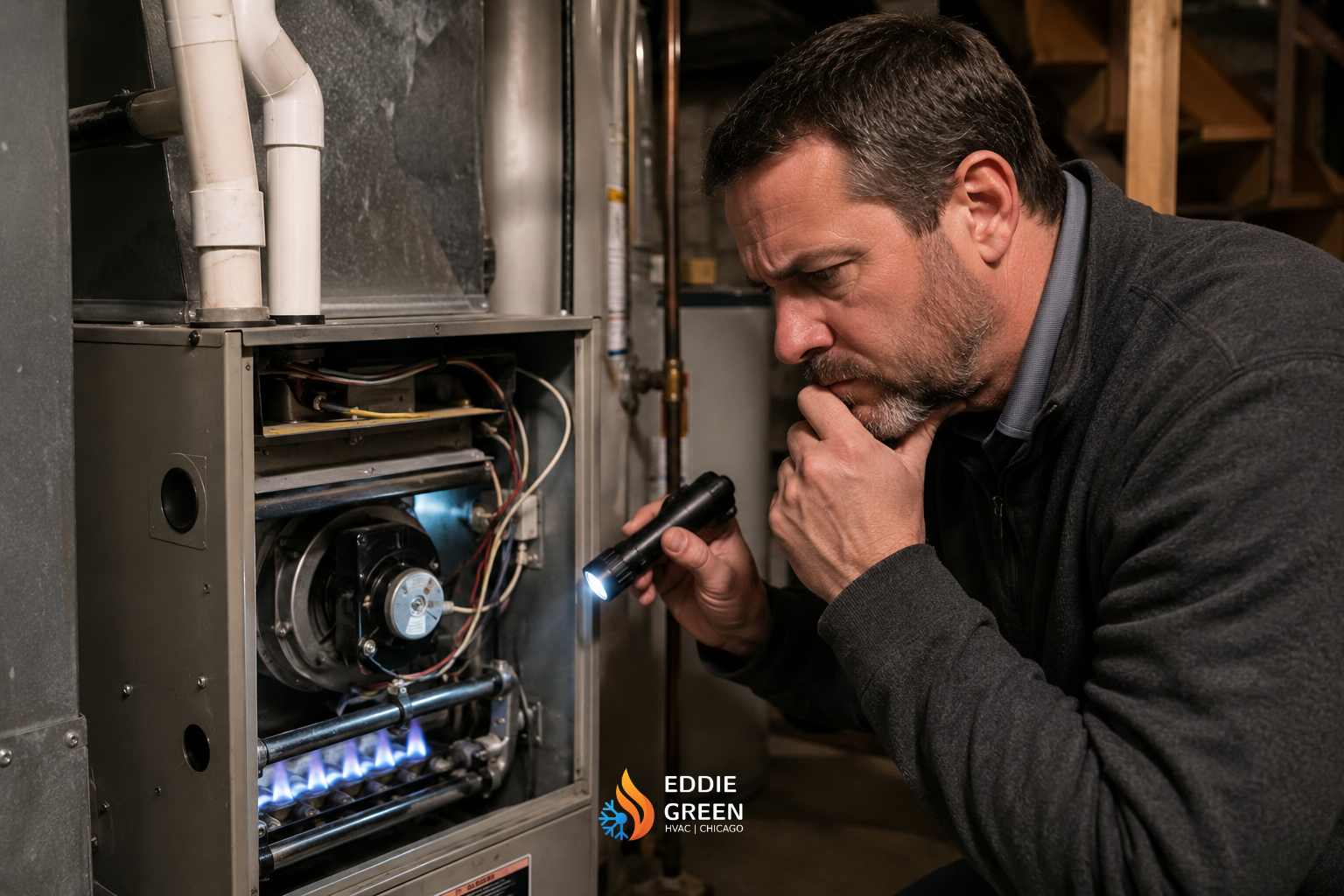
If your furnace struggles to ignite, it might be showing signs of wear. Faulty igniters, dirty flame sensors, gas supply issues, or control board problems can all stop it from starting reliably. If it keeps trying to start but fails, it might be heading for a breakdown.
Ignition issues affect both comfort and safety. A furnace shouldn’t keep failing to start. If you notice gas smells, hear clicking, or see the system failing to light, turn it off and call a professional.
8. Strange Odors
A dusty smell when you first start the furnace is normal, but persistent burning, metallic, electrical, or gas-like odors aren’t. These smells can signal overheating parts, electrical problems, dirty burners, or gas leaks. Take odors seriously, especially with performance issues.
The CDC recommends having carbon monoxide alarms in homes with fuel-burning appliances. If your furnace has unusual smells along with symptoms like headaches or dizziness, leave your home and get help immediately.
How Predictive Maintenance Helps
Using Data to Spot Problems Early
Predictive maintenance is a promising way to catch furnace issues before they cause big problems. Technicians use data patterns to spot early signs of trouble. Research shows that comparing system measurements can accurately predict faults, which helps professionals fix issues before they lose heat.
This is important because furnace failures often start as minor changes: temperature inconsistencies, airflow problems, or unusual cycles. Monitoring these patterns helps technicians make better maintenance decisions. More and more, HVAC contractors are using advanced diagnostics along with hands-on inspections.
What This Means for You
Predictive maintenance doesn’t replace annual tune-ups, but it does help catch issues early. A well-monitored furnace is less likely to surprise you with a sudden breakdown. This is especially helpful in colder areas where losing heat can disrupt your home and routine.
If you’re interested in a proactive approach, our seasonal maintenance service can spot worn parts and control issues before they become emergencies. In homes that rely heavily on winter heating, this kind of care often pays off with fewer breakdowns.
Things to Check Before Calling for Help
Filter Condition and Airflow Basics
Start by checking the air filter. A clogged filter is a common reason for performance issues. Replace it if it’s dirty and see how the system runs. Make sure supply registers are open and not blocked, as blocked vents can reduce comfort and strain the system.
Even simple airflow checks can reveal stress on the furnace. If things improve after changing the filter, the issue might be maintenance-related rather than a mechanical failure. If not, it’s time to call a professional.
Thermostat Settings and Calibration
Sometimes the problem isn’t the furnace. A miscalibrated thermostat, weak batteries, poor placement, or wiring issues can cause heating problems. Ensure the thermostat is set correctly and responds promptly. Small thermostat issues can mimic bigger furnace problems, especially with frequent cycling or unstable temperatures.
If the thermostat seems off, don’t keep adjusting it. A technician can determine if it needs recalibration or replacement. This step is often overlooked but can save you from unnecessary repairs.
Vent and Return Air Checks
Take a look at vents, return grilles, and visible duct openings. Blocked vents from furniture, dust buildup, or closed dampers can affect air movement. When airflow is restricted, the furnace may overheat or shut off early, making it seem weaker.
If airflow issues persist after basic checks, a professional evaluation is next. Duct leaks, blower issues, and internal problems need a trained eye. For more on how duct design affects performance, see our ductwork and airflow guide.
Repair or Replace: Making the Right Choice
When Repair Makes Sense
Repair is usually the best option if the furnace is relatively new, the issue is isolated, and the system is in good shape. Problems like a bad igniter or thermostat can often be fixed without replacing the entire furnace. If a repair restores reliable operation and the unit isn’t too old, it’s usually a good value.
Consider how often your furnace needs attention. A few minor repairs over several years are normal. What’s more concerning is a pattern of failures, especially if they affect the same parts. At that point, repair might be a temporary fix instead of a solution.
When Replacement Is a Smarter Move
Think about replacement if the furnace is over 15 years old, repair bills are rising, and comfort is unreliable. If your system struggles to heat your home evenly and needs frequent service, a new furnace might save money in the long run. New systems also offer better energy performance and safety features.
Factor in total costs, not just the next repair. A furnace that quits during peak winter can create emergency expenses and stress. If it’s clearly aging out, planning a replacement before a total failure gives you more control over timing and costs.
Getting the Right Opinion
An honest diagnosis is crucial. A good technician will explain the problem, whether it’s fixable, and how the furnace’s age affects the recommendation. At Eddie Green HVAC, we focus on clear explanations and practical options so you can make informed decisions. If replacement is best, our furnace installation service offers properly sized systems for long-term comfort.
If you’re looking for local help, our Chicago service area page can connect you with the right support when heating problems arise.
Cold-Weather Considerations
Why Winter Prep Matters in Cold Climates
In a place with harsh winters, furnace reliability is more than a convenience. It impacts indoor comfort and protects your home’s plumbing and structure. If your furnace shows warning signs in the fall, don't wait until the first cold snap. Preparing early gives you more options and less risk of emergency breakdowns.
Pre-season inspections are valuable because they let technicians spot weak parts before the furnace is under high demand. If you want to schedule a check-up before temperatures drop, our residential furnace repair team can diagnose problems and help you decide on the next step. Homeowners in colder areas often benefit from early maintenance before the busy season.
Energy Efficiency Upgrades
Consider energy efficiency as well. Many are surprised by how much older furnaces cost to operate, especially when utility rates rise. Upgrading to a high-efficiency system can cut waste and improve comfort. Check local utility or city efficiency programs before making a final decision.
Efficiency upgrades aren’t just about lower bills. They mean steadier indoor temperatures and better long-term reliability. If your furnace is showing multiple warning signs, a replacement might better fit your comfort and budget goals.
FAQ: Common Furnace Questions
How Can I Tell If My Furnace Is Failing?
Look for strange noises, rising energy bills, uneven heating, frequent cycling, weak airflow, and ignition issues. These signs usually show up before a full breakdown. If several symptoms appear at once, your furnace likely needs professional attention soon.
Can a Furnace Run If It's About to Fail?
Yes. Many furnaces keep running while parts wear down. That’s why early symptoms matter. A furnace can still produce heat and be close to failure because a critical component is wearing out.
Should I Repair a Furnace Over 15 Years Old?
Sometimes, yes. It depends on the repair, the unit's condition, and how often problems occur. If your furnace has frequent issues or major component failures, replacement might make more financial sense.
How Often Should I Maintain My Furnace?
Annual inspections are standard for most homes. Check filters every one to three months, depending on use and household conditions. Regular maintenance supports safety and longer equipment life.
Final Thoughts: Stay Ahead of Furnace Trouble
The best time to tackle a failing furnace is before it quits. Strange noises, poor airflow, higher bills, uneven heating, and frequent cycling aren’t random annoyances; they’re early warning signs. Acting quickly gives you more options, lowers the chance of emergency downtime, and boosts the odds of a cost-effective fix.
If your furnace shows more than one warning sign, schedule an inspection before facing a no-heat emergency. A trained HVAC pro can tell you if a repair will solve the problem or if replacement is the smarter choice. For ongoing protection, consider pairing diagnostics with seasonal preventive maintenance to keep your system ready when winter hits. Ready to take the next step? Contact Eddie Green HVAC for expert help, straightforward advice, and reliable comfort solutions.
For more on HVAC fault prediction, check out the study on dissimilarity-based diagnostics on arXiv. For home heating efficiency and maintenance tips, see the U.S. Department of Energy and EPA resources. Staying informed helps keep your home warm when it counts.