How to Tell If Your HVAC System Fits Your Home
Picking the right HVAC size is super important for keeping your home comfy, cutting down on energy bills, and making sure your equipment lasts. If your system is too big, it might waste energy and wear out quickly. If it's too small, it might not keep up during really hot or cold weather. This guide will help you figure out if your system is the right size, whether you're thinking about repairs, a replacement, or a brand-new setup. If you're planning a big upgrade, you might also want to check out our options for residential AC installation and residential furnace installation to make sure everything fits just right.
Getting the right HVAC size isn't just about guessing. It's more than just square footage. Things like insulation, window quality, ceiling height, air leaks, and local weather all matter. In a place with hot summers and cold winters, like Chicago, getting the size right is crucial for comfort all year round. Luckily, modern tools and professional load calculations make it easier to find the right fit. If your system isn't working well, a technician can check it out and see if it matches your residential furnace repair or residential AC repair needs before suggesting a replacement.
The U.S. Department of Energy says that properly sized HVAC systems can boost comfort and cut energy waste. Pairing them with efficient controls and sealing your home can help, too. You can dive deeper into energy-saving tips at the DOE Energy Saver page, which explains how things like insulation and equipment efficiency work together. Knowing these basics will help you ask better questions when you're getting an estimate and avoid common sizing mistakes.
Why HVAC Size Is a Big Deal
Comfort Relies on Balanced Performance
A well-sized HVAC system should run in steady cycles, long enough to remove moisture, spread air evenly, and keep your home at the right temperature without constantly turning on and off. If the size is off, you'll likely end up with uneven temperatures, hot and cold spots, and a house that never quite feels right. Many folks think these problems mean the system is "weak," but it could actually be the wrong size.
Oversized systems cool or heat too fast, which sounds nice until you realize the cycle ends before the air is properly dehumidified. That can leave your home feeling damp in summer or chilly in winter. Undersized equipment has the opposite problem: it runs too long, uses more energy, and might still not meet the thermostat setting on really hot or cold days.
Efficiency and Lifespan Are Affected
Properly sized HVAC systems can cut energy use by up to 30% compared to oversized units. That's a big deal for your monthly utility bills, especially if you run heating and cooling year-round. Plus, a correctly sized system tends to last longer because it's not constantly starting and stopping or working too hard.
That's why sizing should be part of any serious chat about maintenance or replacement. If your system is old and needs a lot of repairs, pairing a check-up with residential furnace and AC preventative maintenance can help you figure out if the issue is fixable or if it just doesn't fit your home anymore. While maintenance can extend the life of your system, it can't fully fix a sizing problem.
How to Figure Out the Right HVAC Size: Manual J Load Calculation
What Manual J Measures
The best way to size residential HVAC systems is with a Manual J load calculation. This method estimates your home's heating and cooling needs by analyzing the building itself, not just the square footage. It looks at insulation, window type and placement, air leaks, duct condition, ceiling height, number of people living there, appliance heat gain, and your climate zone. That's why two homes with the same layout might need different equipment sizes.
The Air Conditioning Contractors of America and many HVAC experts recommend Manual J because it's the most reliable way to avoid common mistakes from rule-of-thumb sizing. For a deeper dive into the technical side, check out the ACCA Manual J guidance. This calculation shouldn't be skipped if you want a system that works well for years to come.
Why Square Footage Isn't Enough
Outdated sizing formulas often use a simple "tons per square foot" estimate, but that ignores real factors that affect how a home loses and gains heat. For example, a well-sealed house with modern windows might need far less capacity than an older home of the same size. A shaded home with thick insulation might also have a different cooling load than a sun-exposed home with big west-facing windows.
Online calculators can give you a rough start, but they rarely show the full picture. For a more reliable evaluation, get a professional assessment before replacing your equipment. A skilled contractor can point out if duct issues, airflow restrictions, or poor insulation are behind your comfort problems. This broader view is especially helpful if you're also comparing your heating system's condition with residential boiler repair and other options in your home.
Signs Your HVAC System Might Be the Wrong Size
Temperature Swings and Uneven Rooms
One clear sign of poor sizing is uneven comfort from room to room. If upstairs bedrooms feel too hot while the living room is too cold, your system might be cycling incorrectly or not moving air efficiently. Sometimes, sizing problems are confused with duct issues, and both might exist at the same time.
Another hint is that the thermostat hits its target quickly, but the home still doesn't feel comfortable. This often points to an oversized system that shuts off before it has a chance to manage humidity and spread air evenly. In winter, an oversized furnace might blast warm air briefly and then stop, leaving you with a room that can't settle into a steady temperature.
Short Cycling and High Bills
Short cycling means the system turns on and off too often. This can happen if the equipment is too big for the space, if controls aren't working right, or if airflow is blocked. Over time, short cycling wears out key parts like compressors and motors.
High energy bills can also signal a sizing mismatch, especially if your usage habits haven't changed but costs keep climbing. If your utility bills are rising and comfort is slipping, it might be time to see if your system is working too hard for the space it serves. To help spot whether the issue is repair-related or sizing-related, check out our guide to spotting HVAC problems.
Humidity Issues and Noisy Operation
Humidity plays a big role in comfort. An oversized AC cools the air too quickly, leaving moisture behind. During humid months, this can make your home feel sticky even when the thermostat reads the right temperature. A properly sized AC runs long enough to remove moisture and create a balanced indoor environment.
Noise can also offer clues. A system that constantly starts and stops, rattles ducts, or causes abrupt temperature changes might be reacting to a sizing mismatch. If you hear unusual sounds and experience inconsistent comfort, it could be helpful to learn why HVAC systems make strange noises and see if these signs connect to the overall system performance.
How Insulation, Windows, and Climate Affect Sizing
Your Home's Envelope Matters
Your HVAC system doesn't work alone. It's part of a bigger "home envelope," which includes the roof, walls, insulation, windows, doors, and air sealing. If that envelope leaks air, the equipment has to work harder. Sometimes homeowners blame their furnace or AC when the real issue is heat loss from bad insulation or drafty windows.
Upgrading insulation or sealing air leaks can reduce the load on your HVAC system and might even change the recommended equipment size for a replacement. Before installing a new unit, many pros evaluate the home envelope to make sure the system isn't overbuilt for the improved conditions. That's why the installation process should involve more than just picking the right equipment.
Climate and Local Weather Are Key
Climate has a big impact on sizing. A home in a mild area might need very different equipment from one in a place with harsh winters or humid summers. In Chicago, where winters are long and cold, and summers can be hot and sticky, the best system is one that can handle wide seasonal changes. A contractor who knows the local weather can tweak the load calculation accordingly.
This local know-how is even more valuable when you're deciding between repair and replacement. If an older unit struggles during peak weather, it might be time to see how it stacks up against newer standards and technologies. For more on how climate-aware service planning helps system health, check out our annual HVAC maintenance guide for seasonal tips.
For more info on climate and building performance, the DOE weatherization guidance offers practical tips on reducing heat loss, improving comfort, and making HVAC systems work better. A better home envelope means better sizing decisions and often lower operating costs over time.
Latest HVAC Trends for Better Sizing and Comfort
Smart Thermostats and Adaptive Controls
Today's HVAC systems often use smart thermostats and adaptive controls to fine-tune temperature settings based on who's home, schedules, and learning algorithms. These gadgets don't replace proper sizing, but they help a right-sized system run more efficiently. A smart control can cut down on unnecessary runtime, keep comfort consistent, and alert you to issues before they become big problems.
In some homes, smart thermostats also reveal hidden problems by showing patterns in runtime, recovery time, and temperature swings. If your system is oversized or undersized, thermostat data can confirm it isn't behaving as it should. This is especially useful if you want solid proof before investing in a replacement.
High-Efficiency Equipment and Renewable Integration
These days, HVAC trends include more efficient compressors, variable-speed blowers, and equipment designed to work with renewable energy sources like solar panels. These advances can lower your environmental impact while boosting everyday comfort. Variable-speed systems, in particular, are often better for homes where precise load matching matters because they can adjust output instead of just blasting at full capacity.
This flexibility is handy if your home has changing occupancy patterns or different comfort needs from room to room. It's also why professional system design has become even more important: advanced equipment can only perform well if it's chosen correctly. If you're exploring modern solutions, our guide to smart HVAC systems explains how intelligent controls and modern equipment work together for better results.
What a Technician Checks During Sizing
Measurements and Home Features
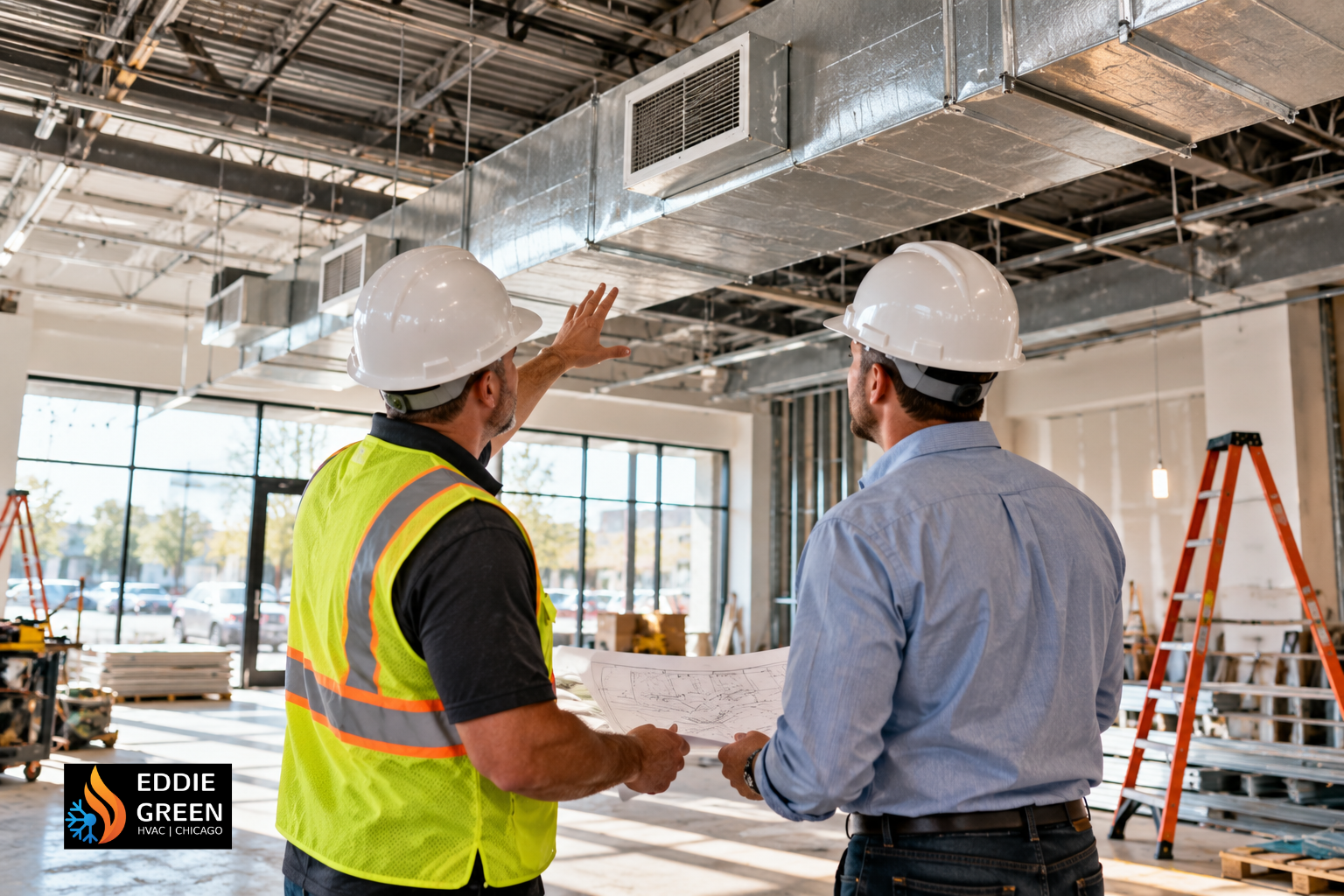
When a qualified HVAC contractor checks sizing, they start with a careful review of your home's layout and construction. They'll measure square footage, ceiling height, and room configuration, then assess insulation quality, window type, and door placement. They might also inspect ductwork, return air paths, and areas where air leaks could skew the calculation.
This process is much more precise than guessing based on the old system size. It ensures that the recommendation reflects the actual structure and use of your home, not just a label on past equipment. If your current unit was installed years ago without a true load calculation, there's a good chance it was never perfectly matched in the first place.
Equipment Condition and Airflow Testing
A sizing assessment might also include airflow testing and a review of system condition. Sometimes the equipment size is technically okay, but airflow restrictions, dirty coils, failing motors, or duct problems make it seem undersized. In other cases, the equipment might be oversized and has been masking problems for years.
That's why you shouldn't replace parts blindly. A skilled technician will look at the whole system before recommending a fix. If repairs still make sense, it's often better to address the issue promptly and keep the existing setup valuable. That's why many homeowners schedule a professional evaluation alongside preventative maintenance to spot system inefficiencies early.
Real-World Example: When Bigger Wasn't Better
A Chicago Homeowner's Oversized System
A homeowner in Chicago had ongoing comfort problems after installing an oversized HVAC unit. The home cooled quickly, but the air always felt damp in the summer, and temperatures varied significantly from room to room. Energy bills were higher than expected, and the system seemed to shut off before the family felt truly comfortable.
After a contractor ran a Manual J calculation, it was clear the home needed a smaller, better-matched system. The existing unit was too powerful for the building envelope and was short-cycling during the cooling season. Once the properly sized system was installed, the homeowner reported better humidity control, quieter operation, and noticeable energy savings.
What This Teaches Us
This kind of case is common because many oversized systems are installed with good intentions. Contractors or homeowners sometimes think "more capacity" means "more comfort," but the opposite is often true. HVAC sizing should be based on load requirements, not on a desire to maximize equipment size just in case.
The takeaway is simple: if your home feels uncomfortable or your bills are too high, don't assume the answer is a larger system. In many cases, the right answer is a better-calculated system, improved insulation, or better duct design. This is especially true when comparing new equipment against commercial HVAC installation standards, where design precision is critical, and the same principles of load matching apply.
How to Tell If Your Current System Is the Right Size
Use the Label, Manuals, and Service History
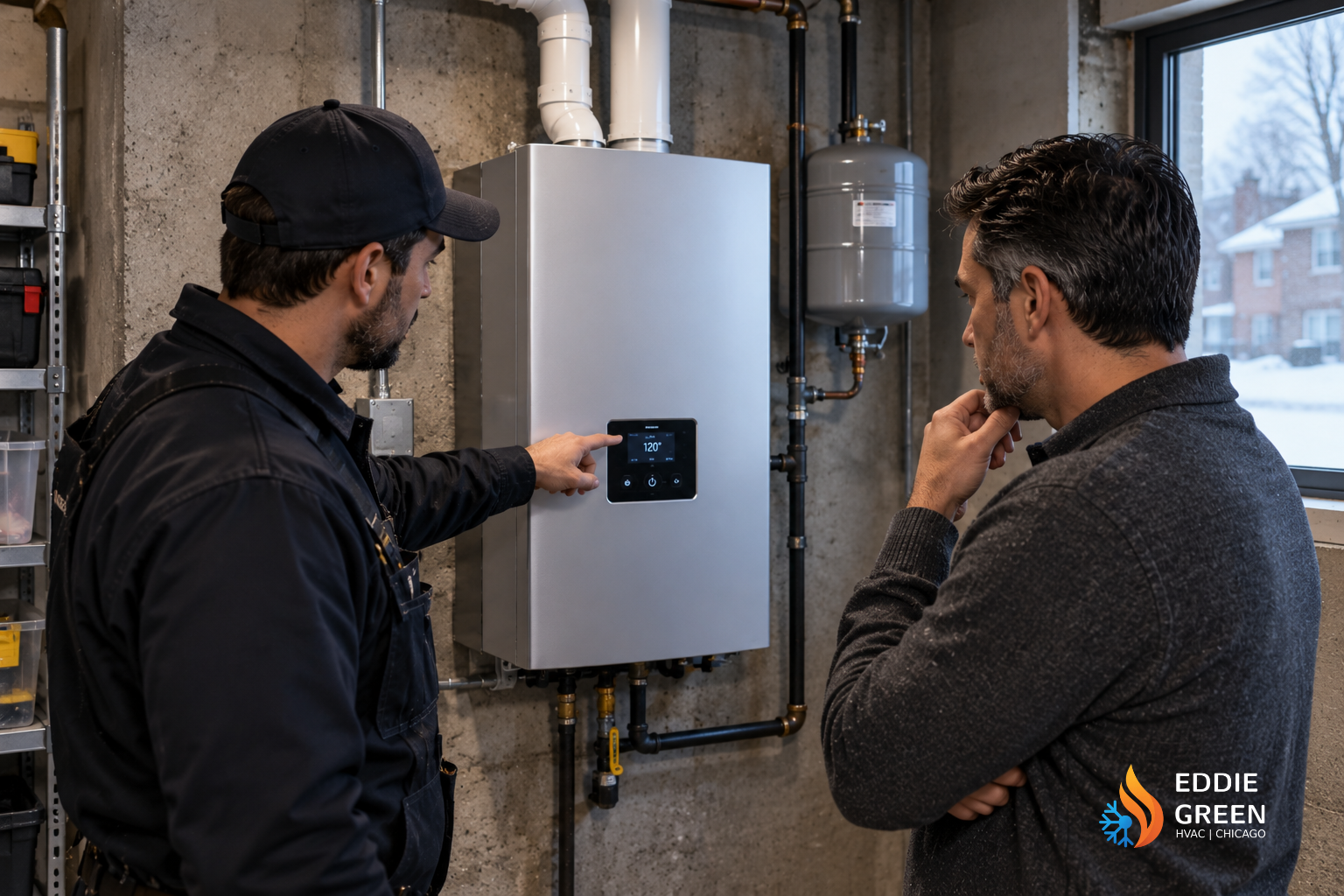
Start by checking the manufacturer’s label, owner's manual, or installation paperwork for the unit’s capacity details. This can tell you if the equipment was originally sized for a larger or smaller home than yours. If the documents are missing, a professional can still identify the tonnage or BTU output and compare it to your home’s current demands.
Next, look at your service history. Frequent repairs, short cycling, unusual humidity, or recurring temperature complaints might suggest the system is mismatched. If you've already addressed basic maintenance issues and the problems persist, the sizing calculation becomes even more important. A contractor can guide you through the findings and explain if repair, adjustment, or replacement makes the most sense.
Watch for Changes in the Home
Sometimes a system that was correctly sized years ago doesn't fit after changes to the home. Additions, finished basements, new windows, attic insulation upgrades, or major remodeling can all alter the load. Even changes in occupancy, like a growing family or a home office setup, might change your comfort needs.
That's why HVAC sizing should be revisited after major renovations or recurring performance issues. A system that was once a good fit might not match the house as it is today. If you're unsure whether your unit still fits the current layout, our furnace replacement guide can help you weigh the age, condition, and sizing of the system together.
Frequently Asked Questions About HVAC Sizing
Can Online Calculators Tell Me the Right Size?
Online calculators can provide a rough estimate, but they often leave out key details like infiltration, duct condition, window quality, and local climate. They're useful as a starting point, not a final answer. For a reliable result, a professional Manual J calculation is the best option.
Is It Ever Okay to Size Up for Extra Power?
In most cases, no. Oversizing tends to reduce efficiency, increase wear, and create humidity problems. The best system isn't the biggest one; it's the one that matches the actual heating and cooling load of your home. There are rare exceptions in special-use spaces, but those decisions should be made by a qualified technician.
How Often Should I Have Sizing Reviewed?
You should revisit sizing whenever you replace major equipment, complete a remodel, add insulation or windows, or notice persistent comfort issues. A seasonal check-up can also help reveal whether system performance has changed. For a broader comfort strategy, read our indoor temperature control guide for practical ways to support a right-sized system.
For homeowners seeking trusted HVAC advice, the EPA indoor air quality resources are great for understanding how airflow, filtration, and humidity interact with equipment performance. Good sizing supports not only comfort but also healthier indoor conditions.
Conclusion: The Right Size Equals Comfort
Knowing if your HVAC system is the right size starts with spotting the signs: uneven temperatures, short cycling, high bills, humidity problems, and frequent repairs. But the real answer comes from a careful load calculation that looks at the whole home, not just the square footage. That's the best way to match equipment to actual need.
If you think your system isn't sized right, don't wait for the next extreme weather season to find out. A professional evaluation can help you decide whether repair, maintenance, or replacement will give you the best results. With the right system size, you can enjoy better comfort, lower energy use, and longer equipment life.
If you're ready to take the next step, Eddie Green HVAC is here to help with expert diagnostics, detailed sizing assessments, and installation solutions tailored to your home. Contact our team to schedule a consultation and make sure your HVAC system is built for comfort that lasts.