How to Create the Perfect Indoor Temperature for Your Home
Getting your home to feel just right isn't about cranking the thermostat and crossing your fingers. It’s more about finding a balance with temperature, humidity, air quality, and energy use. When you get these elements working together, your home feels great all year round, your HVAC system runs smoothly, and you might even see a drop in your utility bills. Think of your home as a whole environment instead of just one number on a thermostat.
Today’s homeowners have more options than ever to get that balance right. Things like smart thermostats, zoning systems, and good maintenance can really boost comfort and efficiency. If your system needs a bit of TLC, services like preventative HVAC maintenance and residential AC installation can help create a more stable indoor climate that fits into your everyday life. For more tips on healthy indoor living, check out the U.S. Environmental Protection Agency's guide on indoor air quality.
In this guide, you'll learn how to set ideal temperatures, manage humidity, improve air circulation, and make smart HVAC choices for comfort all year. We’ll also go over some practical examples, common mistakes, and tips to help you get the most out of your system. Whether you're in a tiny apartment or a big family home, the same rules apply: comfort comes from consistency, not constant fiddling.
Why Indoor Temperature Matters More Than You Think
Comfort, health, and productivity all depend on balance
Indoor temperature affects way more than just whether you're feeling hot or cold. It impacts sleep, focus, and even how your HVAC system works over time. A room that's too warm can feel stuffy, while one that's too cool might make it hard to relax or sleep. Often, small tweaks of just a few degrees can make a big difference in how a space feels.
Comfort is personal, so there's no one-size-fits-all temperature. But most experts say a range of about 68–72°F is good for living spaces, while sleeping areas can be a bit cooler. According to Energy.gov, even small thermostat changes can save energy without sacrificing comfort when you have good insulation and smart scheduling.
The role of HVAC in everyday comfort
Your HVAC system is key to comfort, but it can't do everything if it's too small, poorly maintained, or not set up right. Big windows, high ceilings, or bad insulation can create hot and cold spots that make temperature control a pain. That’s where the right equipment, duct design, and regular maintenance come in.
If you notice uneven temperatures in different rooms, it might be time to take a closer look at your system. Sometimes, residential AC repair or furnace repair can improve performance. Other times, a larger change, like a zoned setup or new system, might be needed.
The Ideal Temperature Range for Different Parts of the Home
Living rooms and common areas
Spaces like living rooms, family rooms, and kitchens are usually comfy between 68 and 72°F. This range works for active daytime use and keeps things pleasant for guests, kids, and older folks. The best setting depends on activity levels, sunlight, and personal preference, so it's a good idea to play around within a small range rather than making big changes.
In colder months, setting your thermostat too high can dry out the air and hike up energy bills. In summer, setting it too low can overwork the system and cause humidity issues. A balanced approach is usually the best choice.
Bedrooms and sleeping spaces
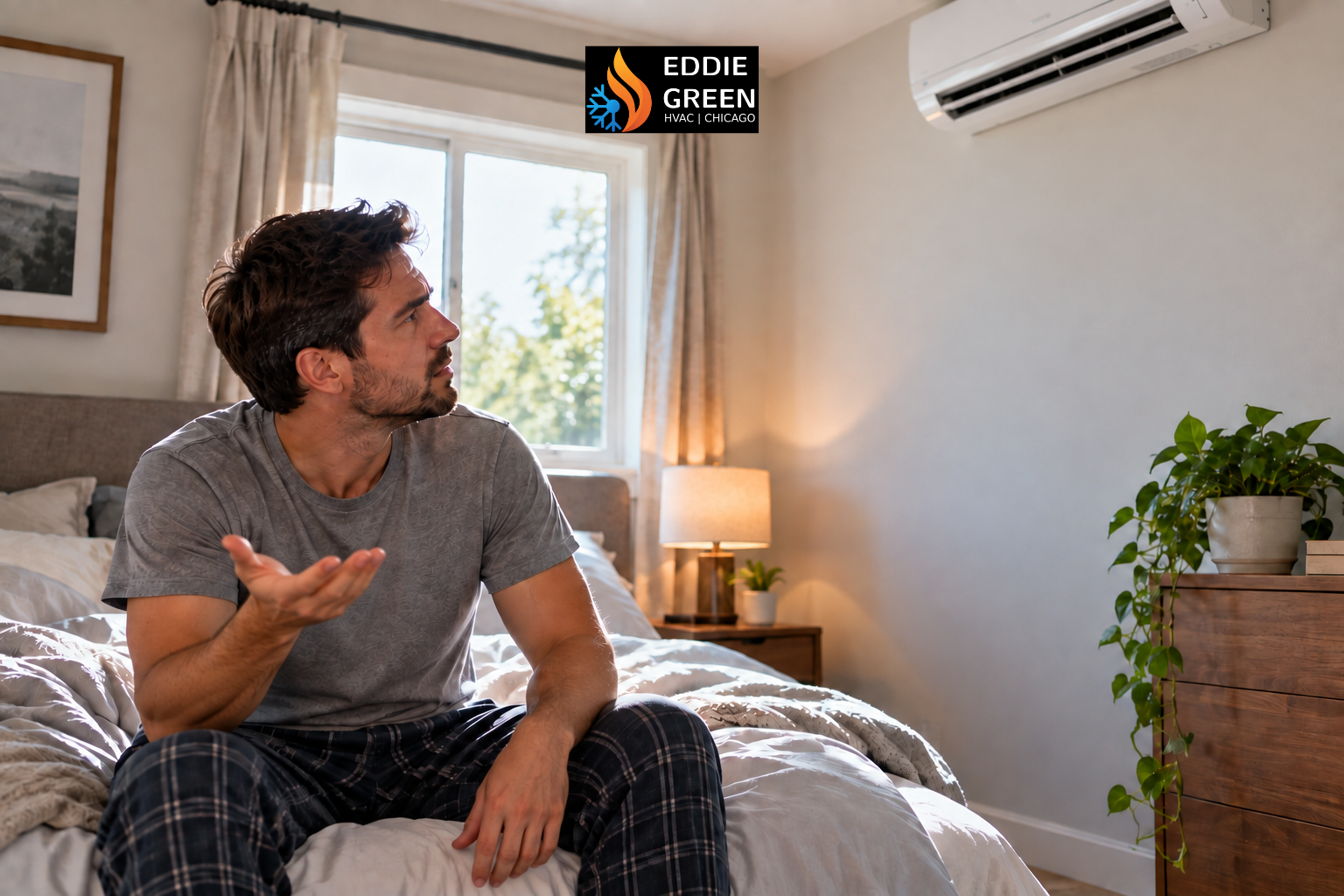
Sleep experts suggest a cooler room for better rest, usually around 60–67°F. A cool bedroom helps your body wind down, leading to deeper sleep. This is especially helpful if you live in a hot, humid area or tend to sleep warm.
Using a programmable or smart thermostat to lower the temperature at night and bring it back up before you wake up can improve sleep quality without wasting energy. If your system has trouble maintaining nighttime settings, a seasonal HVAC check-up might help ensure everything's working well.
Basements, attics, and less-used spaces
Basements and attics often need different strategies due to insulation gaps and duct placement. They don't always need to be at the same temperature as the rest of the house, especially if not used daily. A zoning system can save energy by not over-conditioning these spaces.
For multi-level homes, zoning can also reduce disputes over room temperature preferences. A finished basement might stay cooler naturally, while an upstairs bedroom may need more cooling in the summer. If you want advanced comfort solutions, consider smart HVAC options or talk to a contractor about system design.
Smart Thermostats and Automated Climate Control
How smart thermostats improve comfort and savings
Smart thermostats are great for consistent indoor comfort. They learn your routine, create schedules, and adjust temperatures automatically based on when you're home, asleep, or away. Instead of fiddling with settings all day, let the system handle it.
Many smart models also offer energy reports, showing when your system runs most and where you can save money. According to the ENERGY STAR program, proper scheduling can cut energy use. Smart thermostats are handy for families, busy folks, and anyone wanting better control without extra hassle.
Using schedules for better daily comfort
Setting a good thermostat schedule is one of the easiest ways to boost comfort. For example, keep the home cooler while everyone’s at work or school, then let the temperature rise to a comfy level before they get back. At night, a cooler setting can help with rest while cutting unnecessary heating or cooling.
This approach also reduces the energy waste of heating or cooling an empty house. Adjusting the thermostat by 4°F while you're away or asleep can save 10–15% on energy costs. The exact savings depend on your home and climate, but consistency and scheduling are better than constant adjustments.
When smart controls are not enough
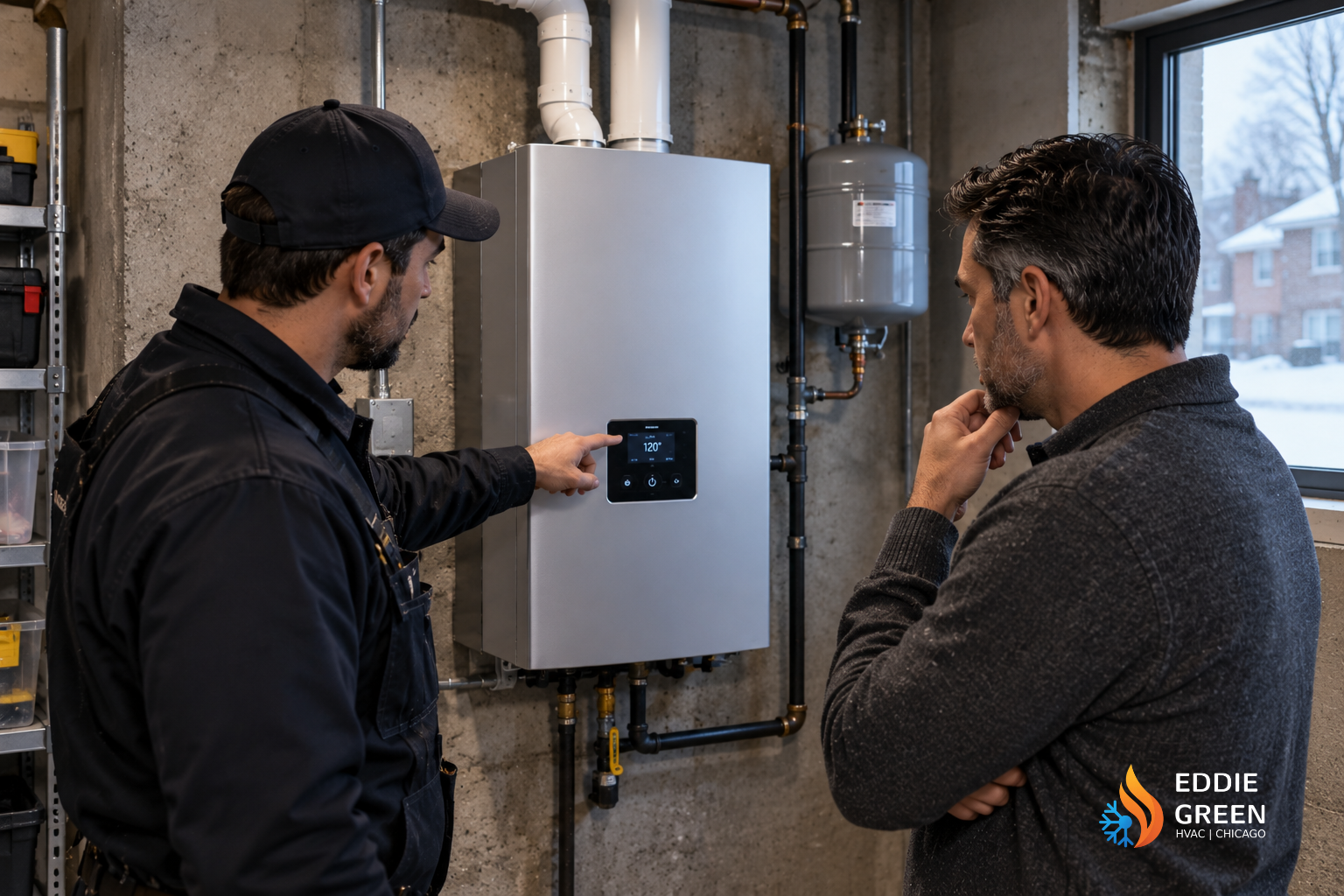
Tech can improve control, but it can't fix mechanical issues. If your thermostat loses connection, cycles on and off too often, or some rooms never hit the target temperature, the problem might be with the HVAC equipment, wiring, ducts, or refrigerant. In these cases, thermostat upgrades should come with a professional inspection.
Older systems might benefit from more complete solutions, like AC repair or furnace installation, especially if the current equipment can't handle control signals. Automation works best when the underlying system is in good shape.
Humidity Control: The Missing Piece of Indoor Comfort
Why humidity changes how temperature feels
Temperature and humidity are closely linked. A room at 72°F can feel comfy in dry conditions but sticky when it's humid. In winter, dry air can make a room feel colder than it is and cause dry skin, irritated sinuses, and static electricity. That's why you might feel uncomfortable even when the thermostat seems right.
Most homes do well with humidity levels between 30% and 50%. The CDC/NIOSH emphasizes controlling moisture and ventilation for a healthier indoor space. Balancing humidity helps your temperature settings work better and makes the home feel more stable.
How to reduce excess moisture in summer
High humidity in summer makes air conditioning work harder since it must remove moisture and heat. If your AC runs a lot but the home still feels damp, it might need service, or the equipment could be the wrong size. Leaky ducts, clogged filters, and poor airflow can all hinder moisture removal.
Simple fixes can help. Keep filters clean, use bathroom and kitchen exhaust fans, and ensure your AC is running efficiently. If the problem persists, professional AC repair can identify if the issue is mechanical or design-related.
How to prevent dry air in winter
Winter often brings the opposite problem: dry indoor air. Low humidity can make your home feel colder than it is, even if the furnace is working fine. Dry air may also bother those with allergies or respiratory issues.
A whole-home humidifier or careful humidistat adjustments can help, especially in cold climates. If your home uses a boiler or furnace, ensuring the heating equipment is efficient is essential. Sometimes, boiler repair or furnace service can improve not just heating but overall comfort.
Improving Air Quality to Support Better Temperature Control
Why clean air helps your home feel more comfortable
Indoor comfort isn’t just about temperature. It also relies on how clean and fresh the air feels. Poor airflow, dust buildup, and stale air can make a home feel heavy, even when the temperature is right. Better air quality can make breathing easier, reduce odors, and create a more inviting home.
Improving air quality often starts with the basics: regular filter replacement, proper ventilation, and routine equipment cleaning. The EPA’s air cleaner guide is a helpful resource for understanding filtration and purification options. Cleaner air also helps HVAC systems since airflow isn’t blocked by dust and debris.
Filters, ventilation, and fresh air exchange
Air filters play a big role in protecting your system and boosting indoor comfort. A dirty filter can reduce airflow, strain the equipment, and cause uneven temperatures throughout the home. Replacing filters on schedule is one of the easiest and most cost-effective maintenance tasks.
Ventilation matters too. Homes sealed too tightly without proper fresh-air exchange can trap odors, moisture, and pollutants. Balanced ventilation helps stabilize the indoor environment so your heating and cooling system can work as designed. If your home has recurring air-quality issues, a full system review might be worthwhile, especially if you're planning preventative maintenance.
What can zoning do for air quality and comfort?
Zoning systems do more than split temperatures into different areas; they can also boost comfort by matching airflow to actual use. If one part of the home is used all day and another isn’t, zoning can direct conditioned air more efficiently. This reduces hot and cold spots and lowers wasted energy.
For families with different comfort preferences, zoning is often a smart upgrade. It’s especially helpful in multi-level homes, homes with additions, or homes where one room gets strong afternoon sun. Sometimes, zoning is the difference between a system that merely works and one that truly feels comfortable.
Seasonal Temperature Strategies That Work Year-Round
Winter settings for comfort and efficiency
In winter, the best strategy is to maintain a consistent baseline and avoid big swings. Frequent changes make the HVAC system work harder and can cause uneven comfort across the home. Keeping your heat at a moderate level, then using layers, rugs, and curtains to support warmth, can create a better experience than just cranking up the thermostat.
If your furnace cycles often or struggles, maintenance might be needed. A system check can reveal clogged filters, worn parts, or airflow restrictions. If the equipment is old, a professional evaluation can help decide between repair and replacement.
Summer settings that balance cooling and humidity
In summer, the goal is not just to cool the home but to remove moisture efficiently. A setting in the mid-70s can feel comfortable when humidity is managed well. The trick is to avoid overcooling, which can waste energy without improving comfort.
Shading windows, sealing air leaks, and using ceiling fans can support better cooling. Fans don’t lower the temperature directly but help air move across the skin, making the home feel cooler. This allows many homeowners to raise the thermostat a few degrees without losing comfort.
Shoulder seasons and transition weather
Spring and fall often pose challenges since outdoor conditions change quickly. During these times, it’s common to rely on windows, fans, and short HVAC cycles rather than constant heating or cooling. Smart scheduling helps the system stay ahead of the weather without unnecessary running.
This is also when homeowners notice if their HVAC system is balanced. If one day feels perfect and the next doesn't, that inconsistency might indicate control issues or maintenance needs. A seasonal checkup can keep the system ready for extreme weather.
Real-World Examples: What Better Temperature Control Looks Like
A family using zoning for different comfort needs
Consider a family with a finished basement, main living floor, and upstairs bedrooms. The basement stays naturally cooler, the main floor gets strong afternoon sun, and the bedrooms need to be comfortable at night. Without zoning, one thermostat setting usually leaves at least one area too hot or too cold.
After installing a zoned system, the family can keep the main floor comfy during the day and set bedrooms cooler at night. The result is better comfort for everyone and less wasted energy. This shows how system design can solve problems that thermostat adjustments alone can't fix.
A homeowner upgrading to smart controls
Another common scenario is a homeowner who works outside all day. Before upgrading, they left the thermostat too high in summer and too low in winter because it was easier than constantly adjusting settings. After switching to a smart thermostat, they created a simple schedule that matched their routine and reduced unnecessary run time.
They also noticed fewer hot-and-cold swings because the system wasn't being changed manually all day. That improved comfort and helped lower energy use. Pairing this kind of upgrade with routine maintenance can maximize the benefits of the technology.
Common Mistakes That Make Homes Feel Uncomfortable
Ignoring maintenance and airflow issues
One big mistake homeowners make is thinking a temperature problem is just a thermostat problem. In reality, clogged filters, dirty coils, blocked vents, and bad duct design can all affect comfort. If the system can't move air effectively, the home will never feel consistently balanced.
Regular service helps prevent these issues from piling up. Often, small repairs make a noticeable difference in temperature stability. If you hear strange noises, notice weak airflow, or smell something odd from the vents, a professional inspection is the safest next step.
Setting extreme temperatures
Some folks think setting the thermostat very high or very low will heat or cool the home faster. That's not true for most systems. Instead, it tends to waste energy and stress the equipment. A moderate, steady setting is usually more comfortable and effective.
Extreme settings can also worsen humidity problems. If you keep the home too cold in summer, for example, the system might cycle off too quickly without removing enough moisture. If it’s too warm in winter, you might experience stuffiness, dry air, or uneven room temperatures.
Overlooking insulation and sealing
No comfort strategy works well in a home with major leaks or poor insulation. Warm or cool air escapes, outdoor air sneaks in, and the HVAC system must work harder just to maintain comfort. Sealing gaps around windows, doors, and attic penetrations makes thermostat settings more effective.
This is especially important in areas with strong seasonal swings. For those in places like Chicago, where winters are cold and summers can be intense, building envelope improvements can be as important as equipment upgrades. If your system is optimized and comfort still varies, an insulation or duct evaluation might be the missing piece.
When to Call an HVAC Professional
Signs your system needs expert attention
If your home has uneven temperatures, high humidity, frequent cycling, or rising utility bills, it might be time for a professional inspection. Other warning signs include weak airflow, unusual odors, loud operation, and rooms that never reach the target temperature. These issues usually don't fix themselves.
A trusted contractor can figure out if the solution is repair, maintenance, adjustment, or replacement. For instance, furnace repair might be enough if the system is in good shape, while furnace installation might be better for older equipment that doesn’t perform well anymore.
Why professional design matters
System size, duct layout, and equipment choice all affect daily comfort. A system that's too large might cycle too quickly and fail to control humidity properly. A system that's too small might run constantly and still leave the home uncomfortable. Professional design avoids both problems.
That’s why homeowners should think beyond quick fixes and focus on the full comfort picture. A knowledgeable HVAC contractor can help choose the right mix of maintenance, controls, and equipment upgrades for your home.
Final Thoughts: Building a More Comfortable, Efficient Home
Start with the basics and improve one layer at a time
The perfect indoor temperature isn't a fixed number. It's the result of smart temperature settings, steady humidity, clean air, and a well-maintained, properly sized HVAC system. When these elements work together, your home gets more comfortable, more efficient, and easier to enjoy in every season.
Start with the basics: set a reasonable thermostat range, replace filters regularly, and watch for humidity problems. Then consider upgrades that fit your home best, whether that means smart controls, zoning, or targeted repairs. Small improvements can add up to a big difference in comfort.
Take the next step with expert support.
If your home still feels too hot, too cold, or too damp no matter what you try, it might be time to get expert help. Eddie Green HVAC helps homeowners improve comfort with reliable system repair, installation, and preventative care. From AC repair to boiler service and seasonal maintenance, the right support can make your indoor environment feel better fast.
Ready to create a more comfortable home? Contact Eddie Green HVAC to discuss your goals, evaluate your current system, and find the best path toward balanced indoor comfort. The right temperature strategy can improve everyday living more than most homeowners realize.