How to Know When It’s Time to Replace Your Furnace
Introduction: Why Replacing a Furnace Matters
Why this guide matters for homeowners
Replacing your furnace is a big decision that affects your home’s comfort, safety, and energy bills. Making the right choice is crucial, as delaying a replacement or picking the wrong unit can lead to costly repairs, higher energy bills, and an uncomfortable winter. This guide will help you figure out when it's time to replace your furnace and what steps to take next.
How to use this article to make a smart decision
Start by checking out the “Key Signs” section to see if your home shows signs that it's time for a replacement. Then, move on to sections about safety, efficiency, and how to hire a contractor. Each part includes checklists and expert tips to help you understand your furnace better. If you ever feel stuck, consider getting a professional inspection to get a clear picture of what you need.
Quick checklist before you read on
Before diving in, gather some info: when your furnace was installed, recent energy bills, repair records, and any weird noises or smells. If you don’t have these records, a technician can usually help you out by checking the serial number and running some tests. For those who like to stay ahead, our seasonal plans can help keep your furnace running smoothly. Check out our maintenance options to learn more.
Key Signs It’s Time to Replace Your Furnace
1. Furnace age: the 15–20 year rule
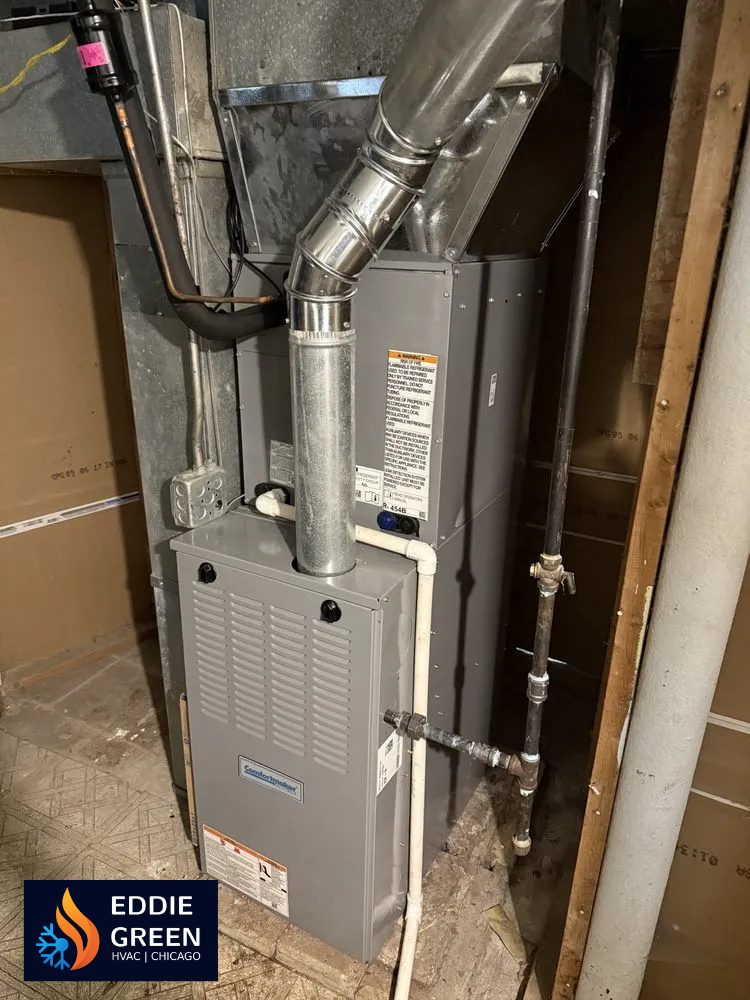
Most furnaces last about 15 to 20 years. As they age, they use more energy and are more likely to break down. If yours is around this age, it might be time to think about replacing it instead of paying for more repairs. Experts often suggest planning for a replacement to avoid a sudden breakdown in the middle of winter.
2. Rising energy bills without changed usage
If your heating bills keep going up and you haven’t changed how you use your furnace, it might not be working as efficiently anymore. An older furnace can use more fuel to produce the same amount of heat. Replacing it with a new, more efficient model could save you money in the long run. For more on energy efficiency, check out the U.S. Department of Energy.
3. Frequent repairs and rising maintenance costs
If you’re calling for repairs more often, it might be time to replace your furnace. A common rule is if a repair costs more than 50% of a new unit, it’s probably better to replace it. Keep track of your repair costs and dates; it’ll help you compare the cost of repairs versus a new furnace.
4. Uneven heating and poor performance
Are some rooms colder than others? This might mean your furnace isn't working well anymore. It could be the furnace, the ducts, or both. A professional can help you figure it out. If uneven heating is a regular issue, a new furnace might be the solution. For help, consider starting with a diagnostic or repair visit.
Safety and Performance Red Flags
1. Yellow or flickering pilot light: combustion problems
Your furnace’s pilot light should be a steady blue. A yellow or flickering flame can mean trouble, like incomplete combustion. This might be due to soot, blocked vents, or a cracked heat exchanger, which can release dangerous gases like carbon monoxide. If your pilot light changes color, turn off the furnace and call a technician immediately.
2. Strange noises: banging, clanking, or squealing
Weird noises can mean parts are wearing out. While some issues are easy to fix, like a loose panel, others might mean it’s time for a new furnace. If your old furnace is making strange noises often, a replacement could offer quieter and more reliable heating.
3. Visible rust, corrosion, or damage
Rust on your furnace means it’s deteriorating and could lead to leaks or breakdowns. If a technician finds serious corrosion, they might suggest replacing the furnace. If you see rust or damage, get an inspection to see if it’s time for a new unit.
Efficiency, Costs, and When Replacement Is Economical
1. Understanding AFUE and what it means for savings
AFUE, or Annual Fuel Utilization Efficiency, tells you how well your furnace uses fuel. New furnaces can have AFUE ratings over 90%, which means they waste less fuel. Upgrading to a high-AFUE model can lower your energy bills. For more details, see AFUE on Wikipedia.
2. The repair vs. replace calculation
When deciding between repairing or replacing, think about all costs, not just the initial price. Consider repair costs, fuel usage, and reliability. Many find that after a few expensive repairs, a new system with better efficiency and a warranty is a better choice.
3. Real-world case study: Chicago homeowners and the winter savings
In places like Chicago, where winters are long, a new furnace can be a big help. Replacing an old furnace with a 95% AFUE model can cut heating costs significantly. One Chicago homeowner saw a 25% drop in costs after getting a new furnace. In cold climates, the benefits of an efficient furnace really add up.
Choosing the Right Replacement Furnace
1. Proper sizing and load calculation
Getting the right size furnace is important. If it’s too big, it’ll cycle on and off too much; if it’s too small, it won't heat your home well. A contractor should do a load calculation to figure out the right size for your home. This ensures consistent heating and efficiency.
2. Features and efficiency options to consider
Modern furnaces offer features like variable-speed blowers and smart thermostat compatibility. These can improve comfort and reduce energy use. Look for Energy Star models and high AFUE ratings if you want to cut down on energy bills.
3. Fuel type, venting, and installation constraints
Different furnaces use different fuels and have various installation needs. Gas, oil, and electric furnaces each have their pros and cons. Talk with your installer about what’s best for your home and make sure any changes meet local codes.
Preparing for Replacement and the Installation Process
1. Hiring a qualified contractor
Choosing the right contractor is as important as picking the furnace. Look for licensed professionals with good references. They should provide clear estimates and explain the installation process. A good contractor will also perform necessary checks and tests after installation.
2. What to expect during the installation day
On the day of installation, expect the technicians to remove your old furnace and install the new one. They’ll make sure everything is connected properly and test the system to ensure it runs safely and efficiently. The process usually takes a few hours.
3. Post-installation testing, commissioning, and warranty
After installation, the contractor will test the system thoroughly. They’ll check airflow, gas pressure, and thermostat settings. Make sure you get all the warranty paperwork and understand the maintenance plan to keep your furnace running well.
Maintenance, Air Quality, and Extending Furnace Life
1. The value of annual maintenance
Regular maintenance helps your furnace last longer and catch problems early. Annual check-ups usually include cleaning, inspecting parts, and checking efficiency. Schedule maintenance in the fall to ensure your furnace is ready for winter.
2. Filters, indoor air quality, and health considerations
Change your furnace filter every 1–3 months to maintain airflow and air quality. This helps keep dust and allergens down, improving indoor air quality. For more on indoor air quality, see the U.S. Environmental Protection Agency.
3. Smart controls and operational tips to save energy
Using a programmable or smart thermostat can save energy by adjusting temperatures when you’re not home. These thermostats can also provide useful data to help you spot issues early. Combine these with good insulation and regular maintenance for the best results.
FAQ and Troubleshooting
1. How often should I replace the furnace filter?
Replace filters every 1–3 months, depending on your home’s needs. High-efficiency filters and homes with pets or allergies might need more frequent changes. Keeping filters clean prevents strain on the system and maintains airflow.
2. Is it better to repair or replace my furnace?
Whether to repair or replace depends on the furnace’s age, the cost of repairs, and how reliable it still is. If it’s older than 15 years with high repair costs, replacement might be the better choice. Talk to a licensed technician for advice.
3. Quick troubleshooting steps before calling a technician
If your furnace isn’t heating, check the thermostat, circuit breaker, and filter first. Many issues are simple and don’t need a service call. If it still doesn’t work or you smell gas, turn it off and call a professional.
Conclusion: Making the Right Call for Comfort and Value
Summary of key indicators
Signs it’s time to replace your furnace include an age over 15 years, rising energy bills, frequent repairs, uneven heating, strange noises, rust, and a yellow pilot light. Use the 50% repair rule to help decide if it's time for a new furnace.
Next steps: inspection, estimates, and planning
Start with a professional inspection and get a written estimate. Compare different models and evaluate the total cost, including potential savings. If you're ready to book an inspection or need emergency repairs, visit our repair page or request a full installation estimate at furnace installation.
Contact and support from Eddie Green HVAC
We know how important it is to have reliable heating, especially in cold climates. Eddie Green HVAC offers expert services to keep your home warm and safe. To protect your new furnace, check out our maintenance plans. For help, call us at +1 (224) 857-3327 or email info@chicagohvacpro.com.
Additional Resources and Further Reading
Authoritative references
For more information, visit the U.S. Department of Energy and the U.S. Environmental Protection Agency for trustworthy advice on energy efficiency and air quality.
Local considerations for Chicago homeowners
Winters in Chicago are tough, so planning for a replacement and regular maintenance is smart. Consider local fuel prices and performance ratings when choosing a furnace. Our team knows the local codes and climate and can help you find the right balance of cost, efficiency, and reliability.
Final call to action
When it’s time to replace your furnace, don’t risk your comfort and safety. Contact Eddie Green HVAC for a free assessment and expert advice. Schedule your inspection or request an estimate by visiting our installation page or calling +1 (224) 857-3327. Let us help you keep your home cozy and safe for years to come.