Why Mini-Splits Are a Great Fit for Urban Buildings: A Chicago Contractor’s Perspective
Introduction: Why mini-splits make sense in city HVAC setups
What you'll discover here
In this guide, let's explore when ductless mini-split systems work better than traditional central HVAC setups in city buildings. You'll get insights into market trends, practical tips for installation and upkeep, and decision-making criteria tailored for contractors, building managers, and homeowners. We'll also touch on Chicago-specific building quirks, case studies, and cost factors to help you choose wisely for urban settings.
Why cities have unique HVAC challenges
Older buildings with masonry, narrow shafts, and limited space make running ductwork costly or impossible in many urban spots. Historic buildings and multi-family units often lose their charm when ducts are added, so flexible alternatives are needed. Ductless mini-splits offer a solution by providing targeted heating and cooling without tearing up the place, which is why they're becoming popular in cities.
Energy and policy background
Mini-splits and heat pumps are gaining recognition in energy policies for cutting down fossil fuel use and emissions. Federal and state programs often highlight heat pump efficiencies and offer incentives that can impact project costs and adoption rates. For broader details on heat pumps and their role in energy policy, check out the U.S. Department of Energy's resource on heat pumps.
How mini-split systems operate: Parts and basics
Main parts and airflow
Ductless mini-split systems have an outdoor compressor/condenser, one or more indoor air-handling units, and refrigerant lines connecting them. Indoor units can be mounted on walls, ceilings, or floor consoles, blowing conditioned air directly into the room without ducts. This setup minimizes energy loss from duct leaks and allows direct control of individual zones.
Inverter technology and variable capacity
Today's mini-splits often use inverter-driven compressors that adjust speed to meet heating and cooling needs, rather than just turning on and off. This variable-capacity operation keeps indoor temperatures steady, lowers start-up energy spikes, and boosts seasonal efficiency. Inverter systems are why mini-splits now have high SEER2 ratings and competitive lifecycle costs compared to central systems.
Zoning and controls
Each indoor head works independently, offering room-by-room temperature control and custom schedules. Integrated smart controls and Wi-Fi-enabled thermostats allow remote management, scheduling based on occupancy, and energy use monitoring. This zoning capability cuts down on wasted energy in empty areas and supports tenant comfort in multi-unit properties.
When mini-splits outshine central HVAC: Practical cases
Updating older and historic buildings
When installing ductwork would mean major demolition or altering historic structures, mini-splits offer a less invasive alternative. Running small refrigerant lines through walls or ceilings is much less disruptive than installing new ducts. For those focused on preservation, mini-splits keep the aesthetics intact while providing modern climate control.
Buildings with variable occupancy
Places with varied occupancy—like short-term rentals, offices with flexible hours, or multi-family apartments—benefit from the room-level control mini-splits provide. Units can be conditioned only when needed, saving energy and boosting tenant satisfaction. This makes mini-splits ideal for property managers and landlords who need precise billing or customized comfort settings.
Spaces lacking ductwork or mechanical room
Loft conversions, retail fronts, duplexes, and additions often lack room for ducts or central air equipment. Mini-splits need only a small hole for refrigerant and condensate lines, cutting down installation time and cost compared to building duct systems. For contractors on tight schedules or with limited space, mini-splits offer a quick path to reliable heating and cooling.
Adding to central systems or spot cooling/heating
Mini-splits are great as supplementary systems to address problem areas—like sunlit rooms, converted attics, or server rooms that central systems struggle with. Instead of enlarging a central system or adding complex ductwork, contractors often install a single-zone mini-split to quickly and efficiently resolve comfort issues. This approach avoids upsizing central equipment and keeps the system balanced.
Technical perks and performance data
Efficiency ratings and real-world results
Modern mini-splits achieve impressive efficiency numbers, with SEER2 values commonly ranging high and HSPF equivalents for heating performing well in cold climates. SEER2 for current systems usually ranges from about 15.2 to 35, often surpassing standard ducted systems. These real-world improvements translate to lower operating costs when systems are properly sized and installed.
Energy savings and environmental impact
ENERGY STAR-certified ductless systems use much less energy than older electric resistance systems and can significantly cut building-level greenhouse gas emissions. Depending on what they're replacing, mini-splits can greatly reduce energy use and prevent tons of emissions over their lifetime. For more on greenhouse gas context and emissions, the EPA’s resources provide great info at epa.gov.
Smart integration and building management systems
Integration with smart controls, building automation, and Wi-Fi apps allows tenants and facilities managers to monitor and optimize energy use. Many newer mini-split systems support multi-zone scheduling, geofencing, and demand-response participation, which can further cut costs. For contractors, knowing how to integrate smart controls adds value and creates opportunities for maintenance contracts and remote monitoring.
Installation tips: What contractors and owners should know
Sizing, layout, and load calculations
Getting the size right is crucial: undersized equipment struggles to keep up, while oversized mini-splits can short-cycle and underperform. Contractors should do room-by-room load calculations, consider sunlight, occupancy patterns, and insulation levels, and plan indoor head placement for the best airflow. Professional design prevents common issues like uneven heating, drafts, or inefficient operation.
Wall placement, line routing, and aesthetics
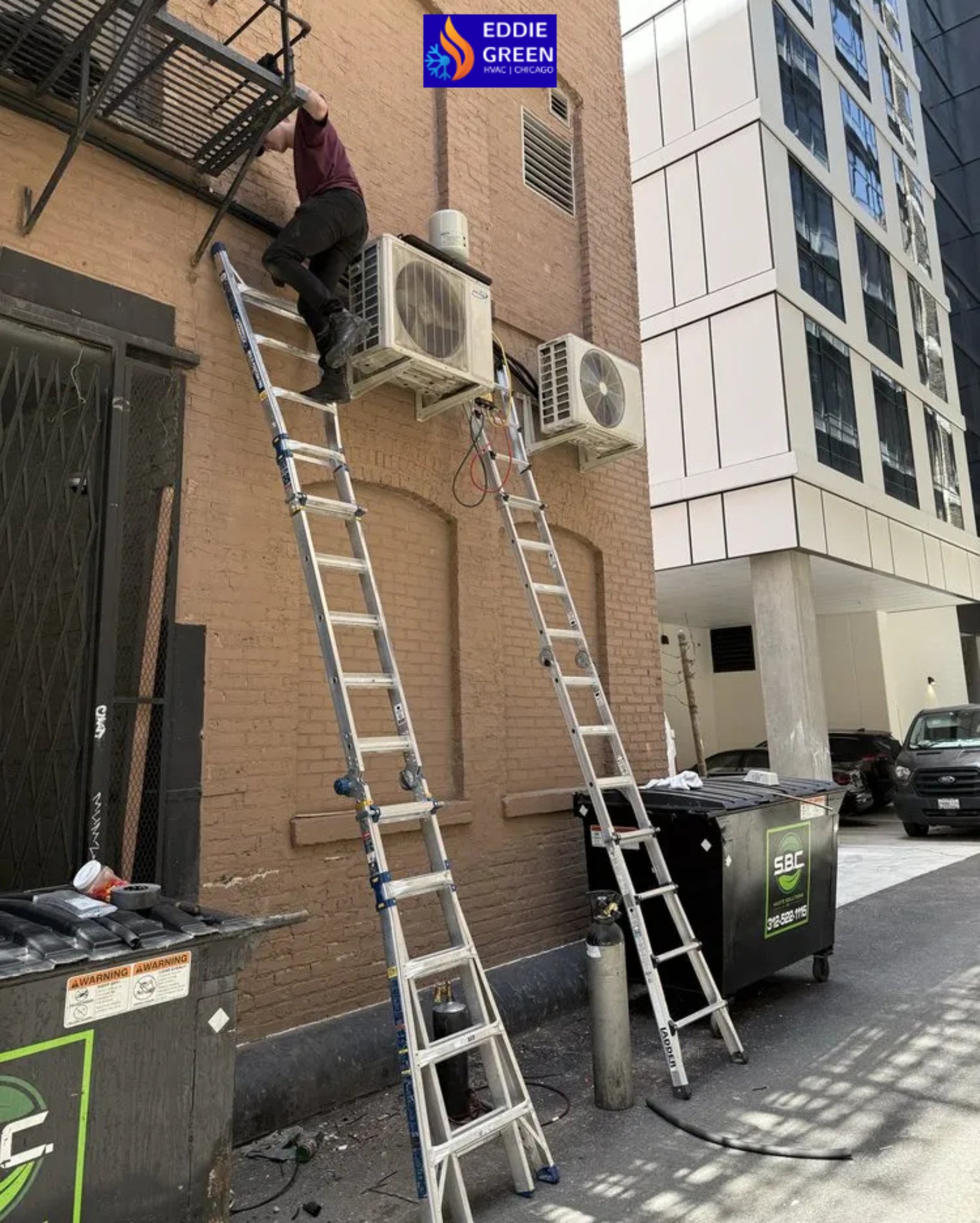
Where you place indoor units affects both comfort and looks; walls with direct sightlines might require slimmer profiles or ceiling-recessed units to minimize impact. Routing refrigerant and condensate lines should minimize visual disruption and protect lines from damage, especially in urban exteriors or older masonry facades. Many modern units have low-profile covers and paintable linesets to blend with interior finishes.
Permits, code compliance, and refrigerant choices
Contractors need to navigate local permits, building codes, and refrigerant rules when setting up mini-splits. The industry is moving to lower-GWP refrigerants, and installers should know the service requirements and safety standards. Proper documentation and code adherence protect both the contractor and property owner and support long-term serviceability.
Maintenance, lifecycle, and contractor services
Routine maintenance tasks and schedules
Mini-splits need regular filter cleaning, indoor coil inspection, condensate drain checks, and periodic refrigerant level checks to stay at peak performance. Most systems need seasonal checks similar to central air systems, and regular preventative service can extend their lifespan significantly. Offering scheduled maintenance plans is a reliable revenue stream for contractors and keeps buildings efficient and comfortable.
Common troubleshooting and repair tips
Typical issues include clogged condensate drains, communication errors between indoor and outdoor units, and refrigerant leaks from line connections. Troubleshooting starts with airflow and drainage checks before moving to electrical diagnostics and refrigerant pressure analysis. Quick response and clear diagnostic reporting help contractors keep clients happy and reduce repeat calls.
Services contractors should highlight
Contractors can expand services around mini-splits by offering design consultations, multi-zone balancing, smart control integration, and long-term maintenance contracts. Cross-promoting related services like seasonal tune-ups or combined furnace/AC maintenance packages increases customer loyalty. For customers wanting preventative care, link your offerings with a clear service package such as a seasonal maintenance plan; consider recommending your preventative maintenance plan.
Case studies and real-world examples in Chicago and beyond
Stack House Apartments: Multi-unit efficiency gains
The Stack House Apartments in Chicago used a VRF (variable refrigerant flow) solution to deliver tenant comfort while controlling energy use and preserving the building envelope. This project shows how multi-zone ductless solutions can be scaled from single zones to whole-building designs in dense urban settings. For contractors, VRF projects highlight the need for precise design coordination, refrigerant routing planning, and commissioning to achieve expected savings.
Residential two-zone retrofit example
In a Chicago home retrofit, a two-zone Mitsubishi ductless system solved persistent upstairs overheating and downstairs drafts without ripping out walls. The project needed minimal drywall patching and resulted in immediate comfort improvements and lower utility bills. Case studies like this show how targeted mini-splits can resolve chronic comfort issues more quickly and affordably than rebuilding a central duct system.
Commercial retrofit and small-business applications
Small retail storefronts and professional offices often adopt mini-splits to avoid losing sales during long renovations and to maintain storefront aesthetic. A well-designed mini-split system can be installed between business hours with limited disruption, preserving sales and tenant operations. For larger commercial undertakings where coordinated installation is required, contractors should plan logistics and staging carefully and consider offering full project management services such as those used in commercial projects: commercial HVAC installation.
Economic analysis: upfront costs, lifecycle savings, and incentives
Upfront cost vs long-term operating cost
Initial mini-split equipment and installation costs can be higher per ton than conventional central systems for equivalent conditioned area, especially for multi-zone setups. However, energy savings from higher seasonal efficiencies, zoning, and reduced duct losses often offset the higher upfront costs over several years. Conducting a lifecycle cost analysis that includes energy prices, maintenance, and expected equipment life helps clients make informed decisions.
Incentives, rebates, and financing
Federal, state, and utility incentives for high-efficiency heat pumps and electrification can substantially improve project payback. Contractors should research applicable rebates and incentives and include them in client proposals to demonstrate net costs and potential savings. For general guidance on federal incentives and efficiency programs, contractors and owners can consult energy policy resources like the Department of Energy’s program descriptions at energy.gov.
Comparative payback scenarios
Payback varies by baseline system, fuel type, and local energy prices, but common scenarios show mini-splits payback within 5–10 years when replacing electric resistance heating or inefficient window units. Replacing a central furnace with a high-efficiency mini-split may lengthen payback if the existing system is relatively efficient, so comparative modeling is crucial. Presenting transparent scenarios to property owners helps manage expectations and supports financing decisions.
FAQs, troubleshooting and expert recommendations
Common homeowner and landlord questions
Prospective buyers and tenants often ask about noise, aesthetics, and maintenance frequency for mini-splits. Modern units are quiet, with low operating sound levels and sleek designs that blend into interiors; maintenance typically includes seasonal filter cleaning and annual inspections. Contractors should provide clear, written maintenance plans and realistic timelines for service to set expectations and enhance satisfaction.
Troubleshooting checklist for contractors
When a mini-split underperforms, start with filter and airflow checks, confirm proper power and communication between indoor and outdoor units, inspect condensate drains, and then move to refrigerant charge verification. Systematic troubleshooting reduces diagnostic time and avoids unnecessary part replacements. Providing customers with a simple troubleshooting guide for basic checks reduces minor service calls and focuses technician time on complex repairs.
Expert recommendations for Chicago properties
Given Chicago’s seasonal extremes, choose mini-split models rated for cold-climate performance and ensure proper defrost controls are present for winter operation. Work with manufacturers and suppliers experienced in cold-weather heat pump operation, and prioritize properly sized outdoor units and insulated refrigerant lines. Finally, document design decisions and commissioning results to support performance claims and future service work.
Decision checklist: Is a mini-split the right choice?
Must-have conditions that favor mini-splits
Mini-splits are especially favorable when the building lacks ducts, when zone-level control is a priority, when installation disruption must be minimized, and when owners want to leverage modern inverter efficiencies. Projects that fit these criteria typically see faster installs, better tenant satisfaction, and measurable energy savings. Use these conditions to screen candidate spaces before undertaking full design work.
Red flags that suggest central HVAC may be better
If a building already has a well-maintained, properly-sized duct system, or when a single central system more efficiently serves large contiguous open spaces, a central system may remain the most cost-effective option. In large buildings where centralized ventilation and filtration are critical, a centralized system with energy recovery ventilators might be preferable. Evaluate ventilation, filtration, and code requirements carefully before deciding against a central approach.
Next steps for property owners and contractors
Begin with a site assessment and room-by-room load calculation, confirm local code and incentive opportunities, and request multiple equipment and installation quotes. For owners seeking preventative care and professional installations, consider scheduling consultations and maintenance plans early; for example, our team can discuss options and timelines and connect you to ongoing support through a preventative maintenance plan like seasonal maintenance. Proper upfront planning reduces lifecycle costs and eases future upgrades.
Conclusion and call to action
Summary of key points
Mini-splits offer an energy-efficient, flexible, and low-disruption option for many urban buildings, particularly when ducts are impractical or zoning is desirable. Advances in inverter technology, smart controls, and cold-climate performance have widened their applicability, and real-world projects in Chicago and elsewhere show clear comfort and efficiency benefits. Contractors who master design, installation, and maintenance of these systems can unlock new opportunities in retrofit and small-commercial markets.
How Eddie Green HVAC can help
If you’re evaluating mini-splits for a retrofit, multi-family property, or a spot-cooling project, our team provides site assessments, professional installation, and long-term service. We can walk you through sizing, model selection, incentive opportunities, and ongoing maintenance to ensure peak performance. Contact Eddie Green HVAC to schedule a consultation or to learn more about installation and repair options, including fast response for AC issues at residential AC repair.
Contact and next steps
Ready to explore mini-splits for your property? Call us at +1 (224) 857-3327, email info@chicagohvacpro.com, or visit chicagohvacpro.com to request a site visit. Our team provides free initial assessments and can prepare a comparative lifecycle analysis to guide your decision.
Further reading and authoritative resources
Industry and policy references
To deepen your technical understanding and reference standards, consult the American Society of Heating, Refrigerating and Air-Conditioning Engineers at ashrae.org. ASHRAE publications and standards inform equipment selection and system design best practices and are valuable for contractors preparing commercial proposals.
Federal energy resources
The U.S. Department of Energy maintains guidance on heat pump technologies and efficiency incentives; this is a useful source for understanding federal programs and performance expectations for heat pump systems. See the Department of Energy’s energy efficiency resources at energy.gov for program descriptions and guidance.
Environmental context and emissions data
For context on greenhouse gas emissions and the environmental benefits of efficient electrification, the U.S. Environmental Protection Agency offers authoritative data and analysis at epa.gov/ghgemissions. These resources can help justify electrification projects and measure anticipated emissions reductions from switching systems.