Expert Guide to Furnace Noises: What Strange Sounds Mean for Chicago Homeowners
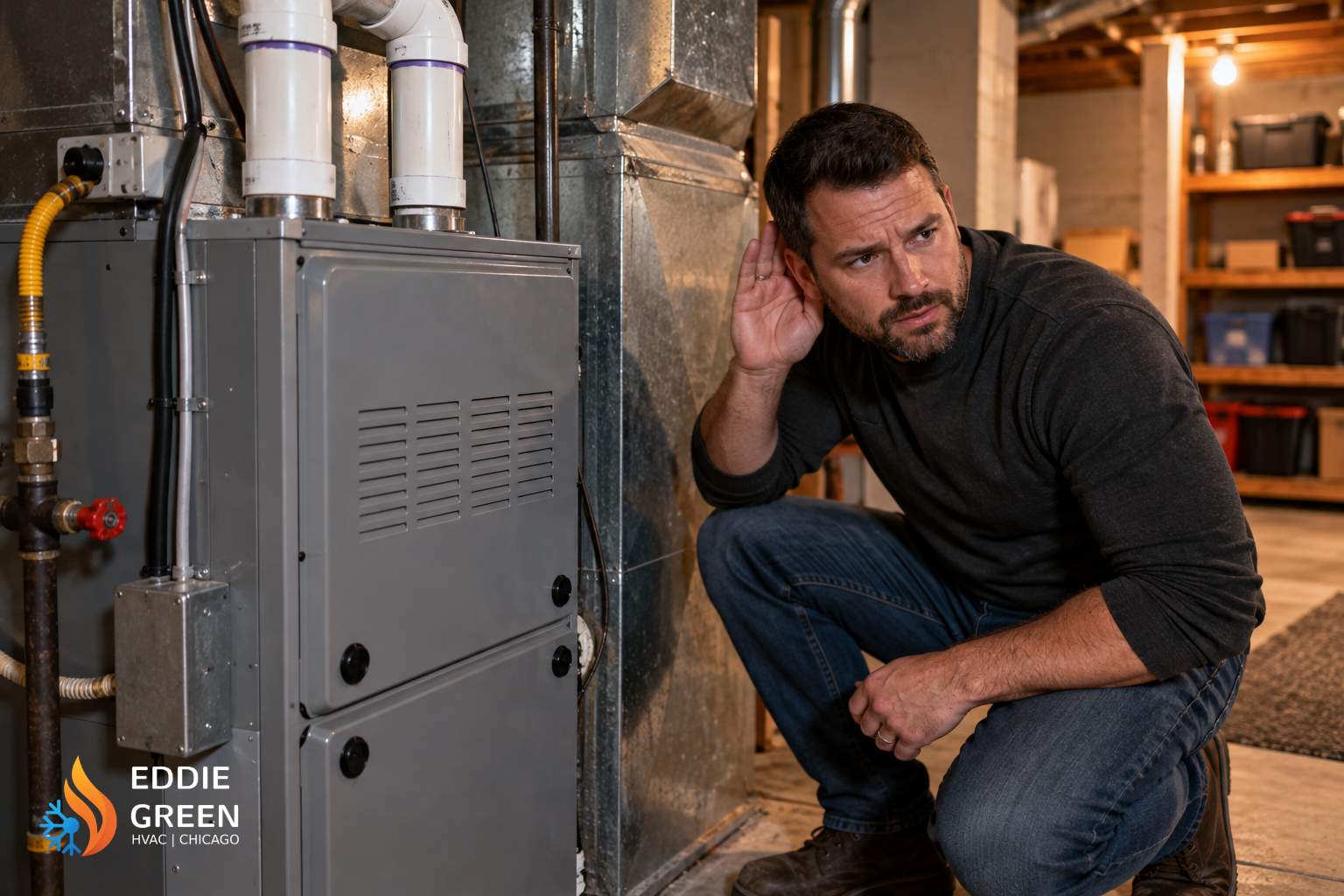
Have you noticed your furnace making some odd sounds lately? It's not just trying to be noisy. Often, these sounds are signals that something needs attention. Sometimes it’s as simple as a loose panel or a dirty filter, but other times, it could mean something more serious that affects your safety and comfort. Let's go through some common furnace sounds, what they might mean, and when it's time to get professional help like furnace repair or preventative maintenance.
Strange furnace noises aren't just annoying; they can indicate things like wear and tear, airflow problems, ignition issues, or that your blower assembly might be failing. The U.S. Department of Energy highlights that keeping heating equipment in shape depends a lot on cleanliness and regular maintenance. So, those strange sounds should never be ignored. For more on keeping your home cozy, check out our article on the benefits of regular HVAC care.
Why Furnace Noises Should Never Be Ignored
Small noises can lead to big repairs.
Your furnace is unlikely to fail all of a sudden. Usually, it gives you a heads-up with a weird noise, which can turn into a more significant issue if ignored. A loose screw or a worn belt might not seem like a big deal at first, but it could lead to a damaged motor or a system shutdown if left unchecked.
Many people tend to ignore small noises while the furnace still heats the home. But this approach can be costly. If your furnace is working harder than usual, check out our article on how to tell if your HVAC system is overworking to spot early signs of stress.
Noise can signal safety issues.
Some sounds are more than just mechanical problems. A loud boom or a gas-related rumble can indicate delayed ignition, which needs immediate attention. According to the Consumer Product Safety Commission, it's crucial to pay attention to any unusual behavior from your heating equipment, especially if it comes with strange smells or poor heat output.
If you notice a burning smell, repeated shutdowns, or flame issues, turn the furnace off and call a professional. Noise combined with safety concerns is a clear sign not to try to fix it yourself.
Common Furnace Sounds and What They Usually Mean
Banging or booming sounds
When you hear a booming sound, it often points to delayed ignition. This happens when gas builds up before igniting, causing a small explosion-like sound. It might be due to dirty burners or ignition issues. If it's more of a metal bang, it might be duct expansion caused by warm air. Although less dangerous, it could still indicate poor duct design or loose fittings.
Squealing or screeching sounds
Squealing noises often suggest friction in the blower assembly. It could be due to a worn blower motor bearing or a slipping belt. These high-pitched sounds generally get louder with time, so it's best to address them quickly.
If the sound changes when the fan starts or stops, it's likely the blower motor. Sometimes the issue is simple and fixable, but other times, it may need a motor replacement. That's why a proper diagnosis is important.
Rattling sounds
Rattling is a common furnace complaint. It can range from harmless to serious. Loose access panels or screws can vibrate and cause noise, but it could also be a cracked component or debris inside the cabinet.
Check if any exterior panels are loose, but avoid opening sealed components if you're unsure. If tightening doesn't help, call for a professional inspection. For recurring noise issues, consider pairing repairs with seasonal maintenance.
Clicking sounds
Clicking is normal during startup in many systems since relays and ignition components make noise when they engage. However, repeated clicking without successful ignition could indicate issues like a faulty flame sensor or ignition failures.
If you hear repeated clicks with pauses, the furnace might be stuck in an ignition cycle. This pattern should be checked out, as it can damage components and leave you without heat. For more on heating troubleshooting, see our guide on furnace warning signs.
Grinding or scraping sounds
Grinding noises are serious and often mean that a mechanical part is wearing out. A failing blower motor or loose fan blade can create scraping noises that worsen with use. If you hear a persistent metallic sound, shut down the system to avoid further damage.
Grinding usually means moving parts are misaligned. Continued use under these conditions increases the risk of damaging related parts. Prompt furnace repair can save money compared to waiting for the unit to fail.
Whistling sounds
Whistling suggests airflow restriction. A dirty filter is a common cause, but blocked vents or gaps in ductwork can also cause it. While the system may still heat your home, it won't do so efficiently and will be under more stress.
Changing the filter is a good first step, especially if it hasn't been replaced in a while. The U.S. Department of Energy recommends regular furnace maintenance to keep airflow steady and efficiency high, reducing noise and improving comfort.
What Different Furnace Noises Reveal About System Health
Airflow problems
Noises often reflect poor airflow, affecting nearly every part of furnace performance. When air can't move freely, the furnace may overheat or short-cycle, producing loud whistling or banging. This can reduce home comfort and increase utility bills.
Airflow issues are often linked to clogged filters, blocked vents, leaky ducts, or a blower that's not operating at the right speed. If your home feels unevenly heated and the furnace is louder than usual, it might be a larger circulation issue.
Combustion and ignition concerns
Ignition-related noises need special attention because they can indicate that the furnace isn't lighting properly. Delayed ignition creates a boom, repeated clicking can signal failed start attempts, and a puffing sound may point to burner issues.
Never assume every ignition sound is normal. If a sound is new, louder, or accompanied by a gas smell, shut down the equipment and contact a technician. Safety comes first.
Mechanical wear and tear
Furnaces, like any machine, have moving parts that wear out. Motors, bearings, belts, and fans can create new sounds as they age. A system that once ran quietly may become louder, often an early warning sign.
This is why annual inspections matter. A technician can spot failing parts before they create major noise or stop the furnace from working altogether. If you're comparing repair versus replacement, read our guide on repair vs. replacement to make an informed decision.
How to Safely Investigate Furnace Noises at Home
Start with simple visual checks.
Before calling for service, there are safe checks you can do. Make sure the thermostat is set correctly, the air filter is clean, and the furnace access panels are secure. Confirm that vents and return grilles are open and not blocked by furniture or other items.
These small steps can eliminate common noise causes and help you describe the issue more clearly if you need professional service. They can also show if the furnace is struggling with restricted airflow or if the sound comes from a deeper mechanical problem.
Listen for when the noise happens.
Timing matters as much as the sound itself. A noise only at startup often points to ignition or duct expansion, while a constant noise during the heating cycle may suggest a blower or airflow issue. A noise when the furnace shuts off can indicate ductwork contraction.
Note if the noise changes with fan speed or temperature setting. This info is helpful to an HVAC technician, narrowing down the source faster and reducing diagnostic time.
Know when to stop troubleshooting.
Some problems are safe to observe briefly, but others need immediate professional help. Turn the furnace off if you hear grinding, smell gas, see soot, or notice repeated ignition failures. If the system is running but noisier, stop using it until inspected.
For reliable seasonal protection, scheduling preventative maintenance before winter can catch issues early. This service is valuable, especially where heating equipment works hard for long periods.
Why Chicago Homes Benefit from Early Furnace Repairs
Cold weather increases system strain.
In a city with long winters, furnaces often operate under heavy demand. Unusual sounds can indicate a system already working harder than it should. When it gets colder, even minor issues become more noticeable and disruptive.
Homes in older neighborhoods may also have ductwork or insulation problems, adding extra load on the furnace. If your system is noisy and struggling, a professional review can check if the equipment itself is failing or if the home's design is part of the issue.
Noise can reveal hidden inefficiency.
Noisy furnaces are often inefficient. Loose parts, dirty burners, and blocked airflow force the system to use more energy, raising utility costs and shortening equipment life. Noise has financial consequences beyond just the repair.
The Air-Conditioning, Heating, and Refrigeration Institute notes that HVAC performance relies on proper installation, maintenance, and system components. Furnace noise often results from stress, imbalance, or poor upkeep.
Preventive care reduces emergency calls.
Early intervention is usually easier than emergency service. Tightening a rattling panel now may prevent a cracked housing later. Cleaning a dirty flame sensor before winter can prevent a no-heat call in freezing temperatures.
Many homeowners combine repairs with regular tune-ups and, when needed, upgrades like new furnace installation. If your furnace is aging and repairs are frequent, replacement may offer better long-term value.
Repair or Replace? How to Decide When Noise Becomes a Bigger Problem
Consider age, frequency, and cost.
Most furnaces last for years, but their lifespan depends on maintenance and usage. If your system is older and has developed multiple noises recently, it may signal decline. One repair might solve the immediate issue, but repeated breakdowns often mean the equipment is nearing the end of its useful life.
Compare the repair estimate with the furnace's age and replacement cost. If the repair is expensive and the unit is old, a new system may be the better choice. If the furnace is relatively young and otherwise dependable, repair is usually the first option.
Think about comfort and reliability.
Noise is just one part of the decision. If the furnace also causes uneven heating, frequent cycling, or weak airflow, the problem may involve more than the noisy component. Comfort issues often point to a system that no longer meets your home’s needs efficiently.
In these cases, evaluate the furnace alongside the rest of your HVAC system. It can be helpful to read about furnace performance tips before deciding between repair and upgrade.
Use professional diagnosis to avoid guessing.
Noise symptoms can overlap, making DIY diagnosis tough. A bang might mean ignition delay, duct expansion, or a burner issue. A squeal could be a belt, motor bearing, or blower alignment problem. Without the right tools and experience, you might fix the wrong thing.
A professional inspection is valuable. A technician can evaluate safety, performance, and part condition, then recommend repair or replacement paths that fit your home, budget, and comfort goals.
Furnace Noise FAQ for Homeowners
Is a little furnace noise normal?
Yes, some furnace noise is normal. Clicking during startup, a soft whoosh of air, and light duct movement can all be part of ordinary operation. What matters is whether the sound is new, louder, more frequent, or paired with poor heating performance.
If the furnace used to run quietly and now sounds noticeably different, treat that as a sign to investigate. Even “normal” sounds can become abnormal when they change in tone, timing, or intensity.
Should I turn off the furnace if it makes a loud bang?
If the bang is sudden, repeated, or accompanied by a gas smell, turn the furnace off and call for service. One isolated sound may be duct expansion, but booming at ignition can indicate delayed lighting and should be checked promptly. When in doubt, err on the side of caution.
A professional can tell the difference between harmless thermal expansion and a combustion issue. That distinction matters because the wrong assumption can leave a dangerous problem unresolved.
Can changing the filter fix furnace noises?
In some cases, yes. A clogged filter can cause whistling, strain the blower, and make the furnace sound louder than usual. Changing the filter is one of the easiest and most effective first steps, especially if you have not replaced it recently.
However, not every noise is filter-related. If the sound continues after a filter change, the issue likely involves another part of the system and needs a deeper inspection.
How often should I schedule furnace maintenance?
Most furnaces benefit from annual maintenance before the heating season begins. That service helps catch loose parts, ignition problems, dirty burners, and airflow issues before they create noise or reduce performance. Seasonal maintenance is especially valuable in homes that rely heavily on heating for long periods.
For reliable heating support, you can also explore our residential furnace and AC preventative maintenance service, which is designed to help keep equipment quiet, efficient, and dependable year-round.
Final Thoughts: Listen Early, Act Quickly, Stay Comfortable
Strange furnace noises are often the first clue that something is changing inside your heating system. Whether the sound is a bang, squeal, rattle, click, grind, or whistle, the key is to respond before a small issue becomes a major repair. Paying attention early can protect your comfort, reduce repair costs, and help your system last longer.
If your furnace has started making unusual sounds, do not guess at the cause for too long. Start with safe checks, note when the noise happens, and call an HVAC professional if the sound is getting worse or affects performance. If you need help with diagnosis, repairs, or a replacement plan, Eddie Green HVAC is ready to help homeowners with practical solutions and dependable service. Reach out to learn more about furnace repair, new furnace installation, and preventative care that keeps your home comfortable through the cold season.