Taking care of your HVAC system regularly is a smart move for anyone who values comfort, reliability, and savings on energy bills. Your heating and cooling system works hard throughout the changing seasons, and if you don't keep up with maintenance, even a top-notch unit can lose its mojo, wear out faster, and break down just when you need it most. Ever wonder why some systems seem to hum along happily for years while others struggle? It often comes down to regular upkeep.
Here’s a quick guide on why routine HVAC maintenance is crucial for keeping your system in tip-top shape, what you should focus on, and how a little preventive care can cut down on unexpected breakdowns, lower your energy bills, and make your equipment last longer. We'll also touch on when maintenance might not be enough and how services like furnace repair or AC repair can get things back on track before small problems become big headaches. For those who want a year-round plan, routine maintenance is the key to staying comfortable.
For more on making your home energy-efficient, check out the U.S. Department of Energy's Energy Saver tips. Simple actions like cleaning filters, checking airflow, and sealing leaks can really pay off over time. In a place like Chicago, where the weather can swing from hot to cold quickly, these habits are even more helpful.
Why Routine HVAC Maintenance is Important
Keeping Things Efficient
When parts get dusty, filters clog, coils are dirty, or moving components start to wear out, your HVAC system loses efficiency. If the system has to push air through blockages, it works harder, and your utility bills can climb while the system wears out sooner. Regular maintenance helps keep everything running as it should, so it uses less energy to keep you comfy.
It’s not just about saving money; it’s about maintaining a steady temperature indoors, avoiding unnecessary starts and stops, and reducing strain on key parts like the blower motor and compressor. Keeping up with maintenance can often improve comfort without having to replace major equipment.
Avoiding Breakdowns
Many costly repairs start as small issues that could have been found earlier. Loose electrical connections, low refrigerant, a worn belt, or a failing capacitor might not seem urgent, but they can lead to bigger problems if left unchecked. Regular service allows a technician to find and fix these issues before they become emergencies.
Preventive care can help you avoid inconvenient failures during peak seasons. If your furnace gets a check-up in the fall, it’s less likely to quit during a winter cold snap. An AC system inspected before summer is more likely to handle a heat wave without a hitch. If your system is already showing signs of trouble, a targeted fix through furnace repair or AC repair can be the way to go.
Boosting Comfort and Air Quality
Comfort isn’t just about temperature. Your HVAC system also impacts humidity, airflow, and indoor air quality, all of which affect how your home feels. When maintenance is skipped, dust and poor airflow can make rooms feel stuffy or uneven. Regular check-ups help ensure your system is distributing air properly and keeping your home balanced.
Clean filters and well-kept components also contribute to healthier indoor air. While maintenance doesn’t replace air purification or duct cleaning when needed, it does reduce debris moving through the system. The U.S. Environmental Protection Agency highlights how ventilation and source control, which relate to HVAC upkeep, affect indoor air quality.
What’s Involved in Routine HVAC Maintenance
Checking Filters and Airflow
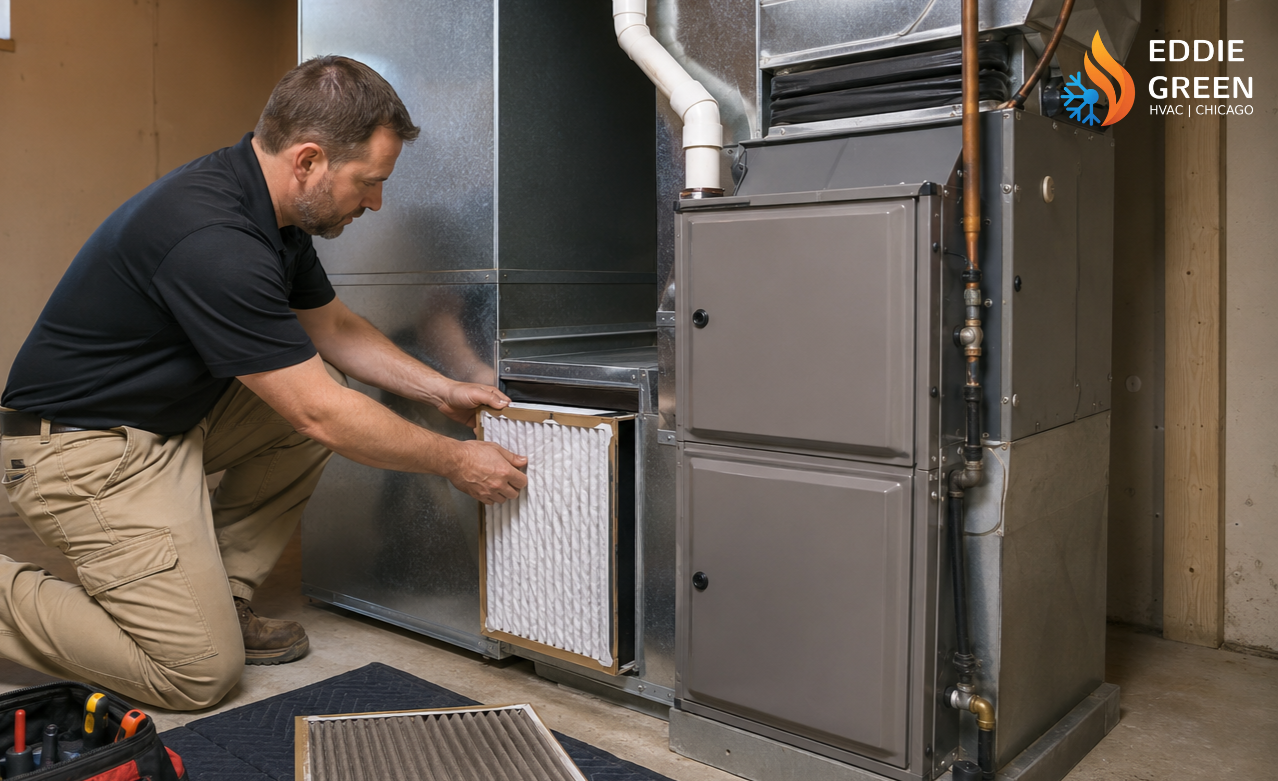
One of the most crucial things is changing or cleaning the air filter. A dirty filter restricts airflow, makes the blower work harder, and can stress the evaporator coil or heat exchanger. In many homes, issues with the filter are the first sign the system is overworked.
During maintenance, a technician checks airflow through the supply and return system. Weak airflow might point to a dirty filter, blocked vents, duct problems, or a blower issue. Good airflow helps the system distribute conditioned air evenly and minimizes temperature differences between rooms. If duct design is causing issues, it might be useful to check out how ductwork affects airflow and efficiency.
Cleaning Coils and Inspecting Components
Dirty evaporator and condenser coils can hinder heat transfer, which means your system has to work longer to get the job done. Over time, that extra runtime adds wear and can lead to refrigerant and compressor problems. Cleaning the coils is a core task because it directly impacts performance and efficiency.
Technicians also take a look at belts, fans, motors, electrical connections, drains, burners, and safety controls. Each part plays a role, and a failure in one area can affect the rest of the system. For instance, a clogged condensate drain can cause water damage, while poor electrical connections can lead to intermittent shutdowns.
Calibrating Thermostats and Controls
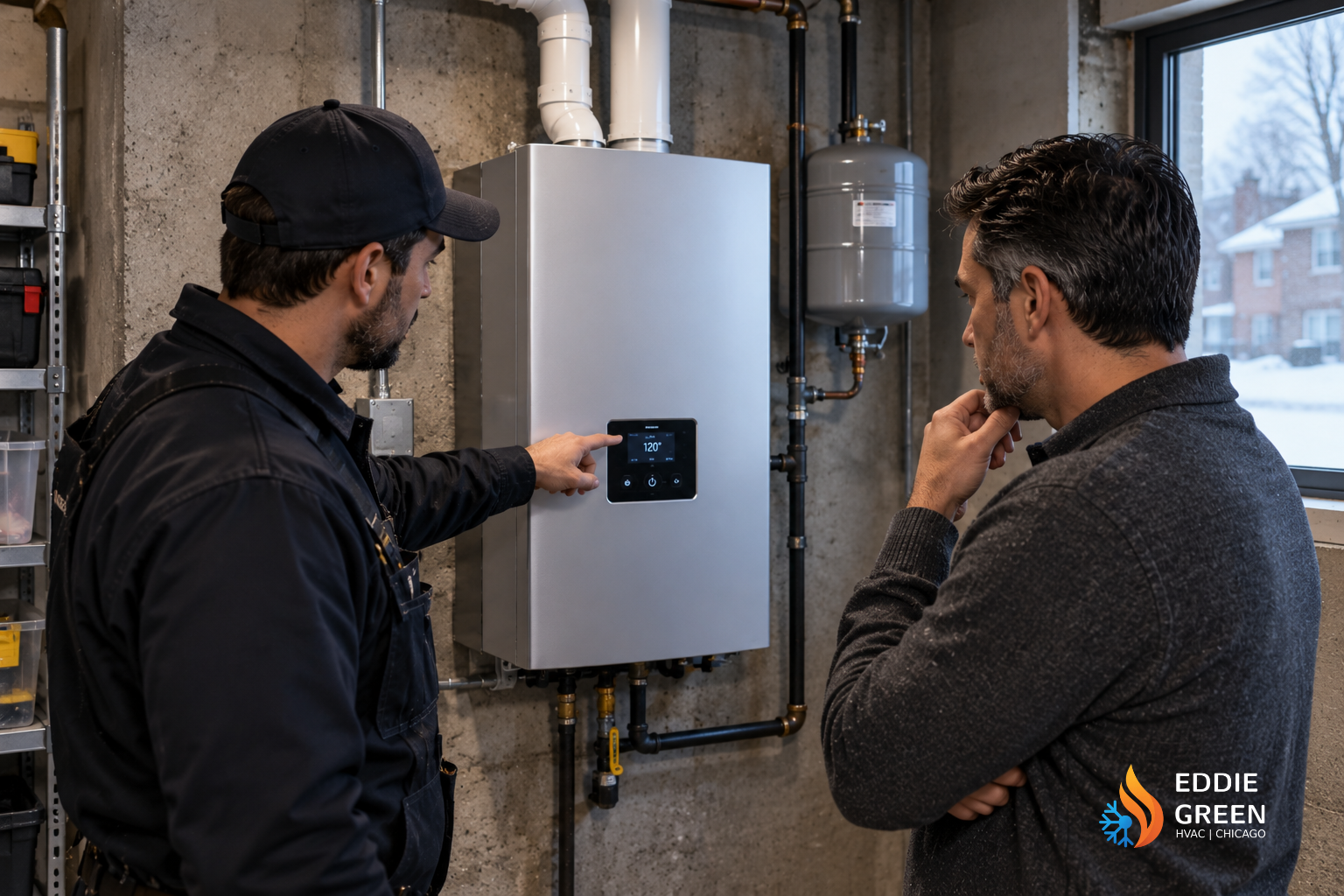
Sometimes, the issue isn’t mechanical. An off-kilter thermostat or poorly set controls can cause frequent cycling or temperature swings. During maintenance, technicians ensure controls are working correctly, and the thermostat is communicating well with the equipment.
Modern thermostats can enhance comfort and efficiency when properly installed, but they still rely on the system being in good shape. If your system is old or struggling to meet demand, it might be time to weigh repair, maintenance, and replacement options. Our repair vs. replace guide can help with that decision.
Real-Life Perks of Regular Maintenance
Lower Energy Use and Stable Bills
A well-maintained HVAC system generally uses less energy than one that’s been ignored. That’s because the equipment doesn’t have to fight against resistance or compensate for hidden issues. Over the year, those efficiency gains can translate into lower utility bills and fewer service calls.
For many homes, maintenance pays off in practical ways: the system starts faster, runs smoother, and hits the thermostat setting with less effort. This is especially noticeable in older homes where insulation or ductwork can add pressure on the equipment. If you’re working on cutting seasonal utility costs, a broader plan including energy-saving HVAC habits can make maintenance even more worthwhile.
Longer Lifespan for Equipment
Most people want their HVAC system to last as long as possible before needing a replacement. Regular maintenance helps achieve that by reducing wear and limiting the time the system operates under stress. When serviced consistently, equipment is more likely to reach its expected lifespan.
This matters because replacing your HVAC system costs much more than ongoing care. Even if a maintenance visit doesn’t prevent every future repair, it often reduces the frequency and severity of issues. Think of maintenance as a long-term strategy, not just a seasonal chore. The better you care for your system now, the more years you can expect from it.
Fewer Emergency Calls During Peak Times
It’s frustrating to lose heat during a winter cold snap or AC during a summer heat wave. Routine maintenance lowers that risk by ensuring the system is ready before demand spikes. When technicians check for wear, test safety controls, and fix minor faults in advance, the chance of an unexpected failure drops significantly.
Waiting until problems become obvious is common, but by then the system may already be under strain. Strange noises, frequent cycling, weak airflow, or uneven temperatures are signs that preventive maintenance should happen soon. If those warning signs are present, maintenance combined with professional furnace repair or AC repair may be the best path to reliable performance.
Seasonal Maintenance Tips for Homeowners
Prepping for Cooling Season in Spring
Before summer hits, get ready by prepping the cooling side of the system. Change the filter, clear debris around the outdoor unit, make sure vents are open, and check the thermostat. These simple steps reduce strain before the temperatures rise.
A professional spring tune-up can take it further by checking refrigerant levels, examining the compressor, cleaning coils, and testing startup performance. If cooling is crucial for comfort and humidity control in your home, this is the time to catch issues before the heat makes them urgent. If a new system is needed, AC installation might be the better long-term solution for an outdated unit.
Gearing Up for Heating Season in Fall
Before it gets cold, give your heating system a thorough check. Replace filters, check burners, test safety controls, and run the system to confirm proper ignition and airflow. Fall is the right time to find issues because heating problems are harder to handle once it’s freezing outside.
A well-maintained furnace is less likely to produce uneven heat, loud startup noises, or frequent shutdowns. If the unit is aging or showing problems, professional service can help determine whether maintenance, repair, or installation makes the most sense. If a new system is on the table, furnace installation can provide a properly sized, modern replacement.
Month-to-Month Habits for Homeowners
Beyond seasonal tune-ups, homeowners can help by keeping registers open, changing filters on time, and keeping an eye on performance. Listen for unusual sounds, pay attention to rooms that are too hot or cold, and check for weak airflow. These observations can catch issues early.
Maintenance works best when homeowners and professionals team up. Technicians handle technical checks, while homeowners monitor comfort day-to-day. This partnership is a simple way to keep HVAC performance steady all year.
How Routine Maintenance Saves Money Over Time
Cutting Down on Emergency Repairs
Emergency HVAC visits often cost more than planned maintenance because they’re urgent and usually involve more severe damage. A neglected system might run until a minor issue becomes a major failure, meaning bigger parts, longer downtime, and a more expensive bill. Preventive service helps avoid that pattern.
For instance, catching a failing capacitor or loose connection early can prevent compressor damage or a complete shutdown later. Early intervention is why maintenance is often seen as cost avoidance. You might not see every benefit at once, but the long-term savings can be substantial.
Getting More Value from Repairs
When maintenance is regular, repairs tend to be more focused and effective. Technicians can diagnose issues faster because they’re starting with a cleaner, healthier system. This often leads to shorter service calls, fewer repeat problems, and better use of parts.
Maintenance also helps homeowners make smarter decisions about major repairs. If a system needs repeated service despite consistent care, it’s a strong signal that replacement may be more economical than patching up an aging unit. In such cases, a clear repair strategy alongside resources like the value of professional HVAC care can guide the next step.
Preserving Warranty Coverage
Many manufacturers require proof of routine maintenance to keep warranties valid. If a major part fails and there’s no record of service, you might face a denied claim or reduced coverage. Keeping up with maintenance can protect comfort, efficiency, and warranty coverage.
Keep a folder of invoices, inspection notes, and service dates. This documentation can be helpful for warranty questions, home sales, or future replacement planning. It’s a small habit that can prevent bigger headaches down the road.
Signs Your HVAC System Needs Attention Now
Uneven Temperatures and Weak Airflow
If some rooms are comfortable while others are too hot or cold, the system might be struggling with airflow or distribution. Weak airflow from vents is another sign maintenance is overdue. These symptoms often point to clogged filters, blower trouble, duct issues, or a system that needs adjustment.
When airflow changes, the system may still turn on, making it easy to ignore. But ignoring comfort problems usually means the equipment is working harder than necessary. Addressing them early can prevent more serious repairs later.
Strange Noises, Odors, or Frequent Cycling
Banging, rattling, squealing, or burning smells should never be ignored. These signs can indicate loose parts, belt wear, motor problems, electrical issues, or airflow restrictions. Frequent cycling can also suggest the system is short on capacity or improperly controlled.
If you notice these symptoms, schedule service instead of waiting for a complete system failure. Maintenance can solve many issues, but some situations require specialized repair work to restore safe operation. In either case, prompt attention helps protect the equipment and everyone at home.
Rising Bills Without a Clear Reason
An unexplained increase in energy bills is often an early sign of declining performance. When the HVAC unit runs longer or less efficiently to maintain the same temperature, costs go up even if your habits haven’t changed. That makes utility bills an important clue.
To track performance changes, compare your bills season by season and note if the system is running more often than before. If so, maintenance may be overdue. A tune-up can often improve performance enough to slow the increase and restore predictable operation.
Why Professional Maintenance Beats Guesswork
Technicians Spot Hidden Issues
Homeowners can manage simple tasks like filter changes and keeping the area around the equipment clear, but many issues are invisible without the right tools and training. Refrigerant levels, electrical performance, burner operation, and static pressure aren’t things most people can judge accurately on their own. Professional maintenance fills that gap.
A trained technician knows how to test, measure, and interpret what the system is doing. This means problems can be spotted early, and the right fix can be applied the first time. This is why scheduling professional service is better than relying only on a visual check.
Safety is as Important as Comfort
HVAC maintenance isn’t just about comfort and efficiency. Heating equipment especially needs safety checks because combustion issues can create serious risks. A professional inspection verifies that the system is running properly and any concerns are addressed before they become dangerous.
The National Fire Protection Association stresses the importance of home maintenance in reducing hazards, especially around heating equipment. Routine service is a good investment for both performance and peace of mind. A comfortable home should also be a safe one.
Documentation Helps with Long-Term Planning
Professional maintenance visits create a history of system condition, service dates, and parts replaced. This record helps when deciding whether to keep repairing a system or plan for a replacement. It also helps homeowners see which components are aging faster than others.
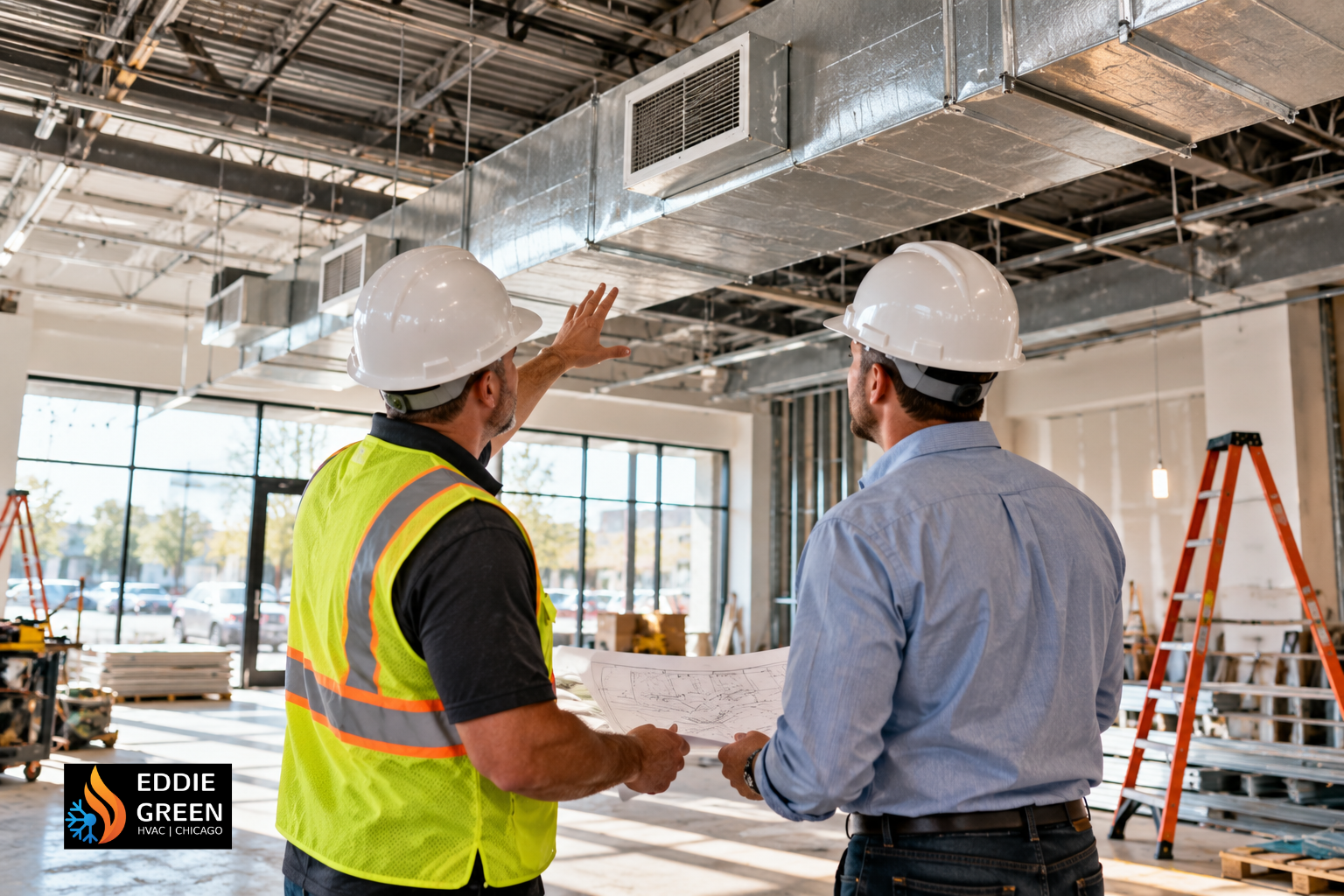
At Eddie Green HVAC, we encourage homeowners to see maintenance as part of a larger comfort plan. If you need broader system support, options like commercial HVAC installation for small properties or a local area visit can help match the solution to your building’s needs. The right plan depends on age, usage, and equipment condition.
FAQs About Routine HVAC Maintenance
How often should HVAC maintenance be done?
Most homes benefit from HVAC maintenance twice a year, once for cooling and once for heating. This schedule lets technicians catch seasonal wear before the system is pushed to its limits. Homes with older equipment, higher usage, or comfort issues might need more frequent checkups.
Can I do maintenance myself?
Homeowners can change filters, keep outdoor units debris-free, and ensure vents aren’t blocked. These tasks help but don’t replace professional service. A technician can perform deeper inspections, tune critical components, and identify safety concerns not visible to the average homeowner.
Is maintenance really worth the cost?
For most homeowners, yes. Maintenance can reduce energy waste, prevent costly emergency repairs, and extend equipment life. Compared to the cost of a major failure or early replacement, routine care usually offers great value.
What if my system already seems to be failing?
If your HVAC system is already showing major symptoms, maintenance alone might not be enough. In that case, repair or replacement may be the better solution, depending on the age and condition of the equipment. A professional evaluation can help you understand the most practical next step.
Keep Your HVAC System Running Smoothly
Regular HVAC maintenance is one of the best ways to ensure comfort, save on operating costs, and prevent breakdowns. It helps your system run more efficiently, respond more reliably, and last longer. Plus, it gives you a chance to catch small issues before they become big problems.
If your system hasn’t been serviced recently, now’s the time to act. Whether you need preventive care, specific repairs, or help deciding between repair and replacement, professional service can make the process smoother. Explore our preventative maintenance service or learn more about our Chicago service area to find the right support for your home.
For trusted help from Eddie Green HVAC, call (224) 857-3327 or visit our website to request service. A well-maintained system performs better, lasts longer, and keeps your home comfortable when it counts.