Why Professional HVAC Care Is an Investment in Your Home
When you think about home improvements that boost comfort and keep your property valuable, HVAC care probably isn't the first thing that comes to mind. But your heating and cooling system impacts almost every aspect of your daily life, from the comfort of your rooms to your energy bills and the lifespan of your equipment. Hiring professionals for maintenance, repairs, and installations isn’t just about ticking off a chore; it’s a smart move that can reduce waste, prevent breakdowns, and keep your home running smoothly year after year. If you're weighing options for seasonal HVAC maintenance or considering a major system upgrade, knowing the benefits of professional care is a great starting point.
This is especially true if you live in a place like Chicago, where cold winters and hot summers put a lot of stress on your system. By relying on expert services, you’re more likely to enjoy steady indoor temperatures, cleaner air, and fewer emergency repair bills. Plus, professional HVAC care helps you make smarter choices about equipment size, efficiency, and when to replace a system, saving you from costly mistakes. Below, we’ll dive into current HVAC trends, expert tips, real-world stories, and the financial reasons why professional HVAC support is worth it over time.
The Real Cost of HVAC Neglect
Energy waste adds up quickly.
Heating and cooling take up a big chunk of the average home’s energy bill, and inefficient equipment can make those costs skyrocket. Studies and industry reports consistently show that older or poorly maintained systems use way more energy than newer, high-efficiency models. Some upgrades can cut energy use by 20% to 40% compared to systems over a decade old. This difference is especially noticeable during peak seasons when your system runs nonstop.
If you're trying to cut down on monthly bills, energy efficiency isn't just about swapping out a thermostat. It's also about making sure filters, coils, ductwork, refrigerant levels, and controls are doing their jobs properly. According to the U.S. Department of Energy, HVAC performance relies heavily on system design, regular maintenance, and proper operation, highlighting the importance of professional care.
Small problems turn into expensive failures.
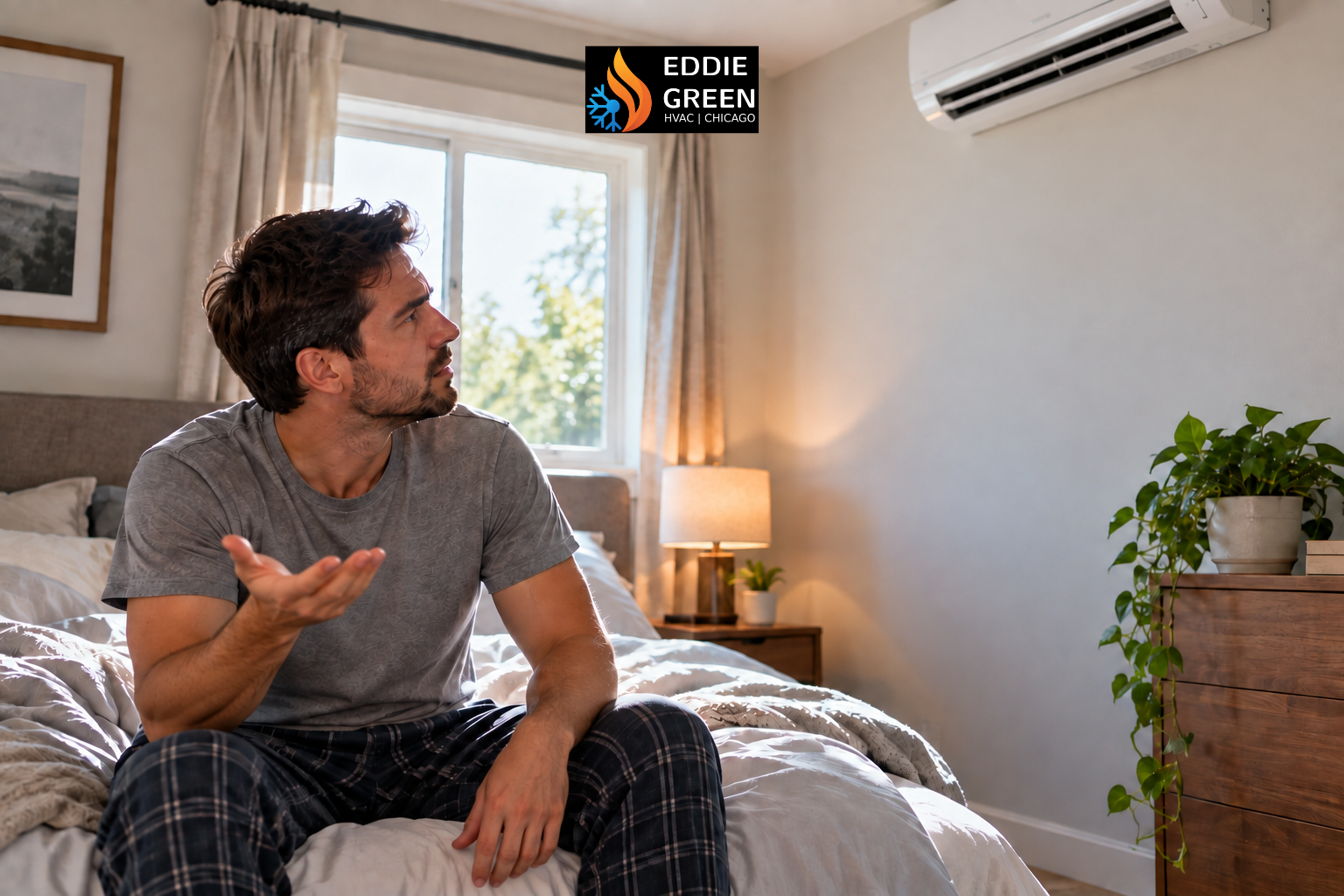
Many homeowners call for help only when a system stops working, but HVAC systems rarely fail without warning. Odd noises, uneven temperatures, rising utility bills, and frequent cycling are often early clues of a bigger issue. Ignored problems like a neglected blower motor, dirty evaporator coil, or a small refrigerant leak can quickly escalate into major repairs. Pro technicians can spot these warning signs early and fix them before they cause more damage.
This proactive approach is a big reason why professional service is an investment, not just an expense. Instead of paying for frequent emergency calls, you can rely on timely diagnostics and preventive measures to protect the entire system. If your system is showing signs of stress, a focused furnace repair service or AC repair visit can often restore performance before a full breakdown occurs.
Current HVAC Trends Homeowners Should Know
High-efficiency equipment is becoming the standard.
There’s a big shift happening toward energy-efficient HVAC systems. Modern furnaces, air conditioners, and heat pumps are built to keep you comfy while using less energy, often featuring advanced control features that help cut waste. For homeowners, this means a more comfortable home and lower operating costs, especially when the equipment is properly sized and professionally installed.
Efficiency is also linked to regulatory standards and local codes. In Illinois, installation work must meet current energy and safety requirements, including the 2021 International Energy Conservation Code. This is why professional installation is crucial; even a high-efficiency system can fall short if it’s installed incorrectly. Check out the U.S. DOE Building Energy Codes Program for more on building energy codes.
Smart thermostats and connected controls are changing expectations.
Smart home integration is changing how we interact with our HVAC systems. Smart thermostats can learn your household schedule, adjust temperatures remotely, and provide insights into energy use. When combined with professional system setup, these tools can boost comfort and help you avoid unnecessary runtime. The key is ensuring the equipment, wiring, sensors, and programming are all set up correctly.
Many homeowners buy smart devices hoping for instant savings, but these gadgets work best when the rest of the system is in good shape. A smart thermostat can't fix clogged ductwork, a weak blower, or improperly sized equipment. That’s where professional service comes in: technicians make sure the technology supports the system rather than exposing hidden problems.
Indoor air quality is now part of the conversation.
More homeowners are focusing on indoor air quality, humidity, and ventilation as part of home health. HVAC systems do more than just heat and cool; they also affect how air moves through the house and how much dust, moisture, and allergens linger indoors. In homes with older equipment or poor filtration, comfort often suffers even if the temperature feels right on the thermostat.
Professional HVAC care can improve filtration, adjust airflow, recommend ventilation upgrades, and identify moisture problems early. This is especially important for families with allergies or asthma. The EPA’s Indoor Air Quality guidance is a useful resource for understanding how heating, cooling, ventilation, and humidity affect indoor air.
Why Professional Maintenance Delivers Long-Term Value
Annual service extends equipment life.
Regular maintenance is one of the most reliable ways to extend your HVAC system’s life. Research suggests that professionally maintained systems can last significantly longer than neglected ones, with some lasting 15 to 25 years instead of failing closer to the 10- to 12-year mark. This difference can save you thousands in premature replacement costs.
Professional maintenance typically includes inspecting electrical components, cleaning critical parts, checking refrigerant levels, testing safety controls, and ensuring adequate airflow. These tasks may seem minor, but together they help reduce wear and prevent stress on major components. For homeowners wanting to stay ahead of seasonal issues, a planned preventative maintenance appointment is an easy way to protect your investment.
Maintenance helps control energy costs.
A clean, properly adjusted HVAC system doesn’t have to work as hard to maintain comfort indoors. That means lower energy use, fewer stress-related issues, and consistent performance across seasons. Industry estimates show that routine maintenance can reduce annual energy costs by 5% to 40%, depending on the system’s age and condition. Even small improvements add up over time as utility rates climb.
Professional technicians also know how to spot hidden inefficiencies like clogged condensate drains, loose belts, dirty burners, or air leaks in ductwork. These issues might not cause a total failure, but they quietly increase energy use month after month. Homeowners often notice the difference after a tune-up because rooms feel more balanced and the system cycles more predictably.
Maintenance supports safety and reliability.
HVAC care isn’t just about comfort and savings. It’s also about safety. Furnaces, boilers, and cooling systems all have components that must operate within specific ranges to avoid hazards or premature failure. This is especially important for combustion equipment, where poor venting, cracked heat exchangers, or ignition problems can pose serious risks.
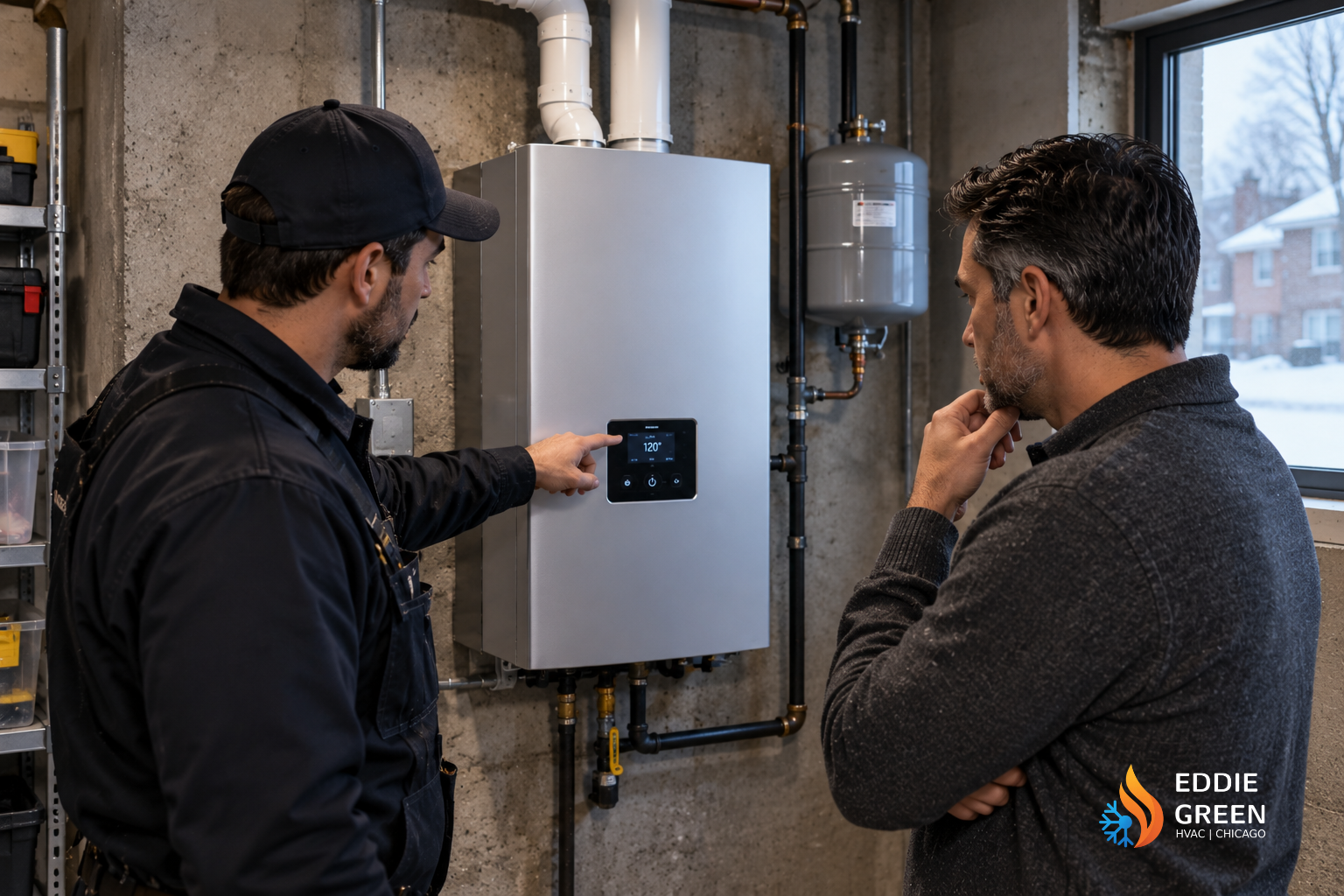
Professional inspections catch these issues early, keeping the system running as it should. In homes with older heating equipment, a routine visit can reveal if repairs are still the best option or if replacement is becoming necessary. For homes with boiler systems, a timely boiler repair appointment helps maintain safe operation and avoid major disruptions during the coldest months.
The Importance of Proper Sizing and Installation
Why oversized or undersized systems cause problems
A common HVAC mistake is installing equipment that’s not the right size for the home. A too-large system might short-cycle, turning on and off too often, which can wear it out faster, reduce humidity control, and create uneven temperatures. A too-small system may run constantly and still struggle to keep up during extreme weather. Either way, you end up paying more for less comfort.
Professional sizing considers square footage, insulation, window quality, airflow design, duct condition, and local climate demands. This is especially important in Chicago, where winter heating loads and summer cooling loads are both significant. If you’re planning a replacement, a properly sized furnace installation or AC installation can make a big difference in comfort, efficiency, and reliability.
Installation quality affects every future repair.
Even the best equipment will underperform if the installation is rushed or incomplete. Poor refrigerant charging, loose wiring, weak duct connections, and improper drainage can all create problems that show up later as noise, leaks, or uneven performance. Professional installers follow manufacturer specifications and local code requirements to ensure the system works as intended from day one.
Precision matters because installation quality affects not just the first year but the entire lifespan of the equipment. A well-installed system is easier to maintain, more efficient to operate, and less likely to suffer repeat failures. When it’s time for a replacement, working with experienced technicians saves money over the long run by avoiding hidden installation errors that lead to future repairs.
Local compliance matters in Chicago
Chicago’s homes range from newer builds to older properties with unique duct layouts and mechanical challenges. Because of this, professional HVAC care is often the best way to ensure equipment meets local expectations for performance, safety, and efficiency. Proper permits, code awareness, and installation practices reduce the risk of failed inspections and costly rework.
Homeowners who want to understand how these standards relate to energy use and system performance can check out guidance from organizations like ASHRAE, which helps set widely used HVAC and indoor environmental standards. While the technical details may seem complex, the main takeaway is simple: professional installation protects both your home and your budget.
How HVAC Care Improves Home Value
Efficiency upgrades can boost resale appeal.
When buyers are checking out a home, they pay attention to comfort systems, especially if a home has modern equipment and recent service records. A professionally maintained HVAC system shows the property has been taken care of and that there are fewer surprise expenses waiting after closing. In many markets, a new or well-documented HVAC upgrade can boost perceived value and strengthen buyer confidence.
Industry reports suggest that HVAC replacement can return a significant portion of installation costs at resale. Some homeowners see home value gains of 5% to 10% after an upgrade, depending on market conditions and the age of the previous system. While not every upgrade pays back the same way, it shows why HVAC care is often seen as a smart investment rather than a sunk cost. Buyers usually prefer homes with documented maintenance over those with uncertain histories.
Comfort is part of property value.
Comfort impacts both feelings and finances. Homes with balanced temperatures, good airflow, and stable humidity levels feel more livable and often make a better impression during showings or appraisals. If one room is always too warm, another too cold, or the system makes loud noises, these issues can lower a home’s appeal even if the structure itself is strong.
That’s why strategic HVAC upgrades, including duct corrections and airflow balancing, can improve how a home functions daily. For homeowners wanting to link comfort improvements to broader home performance, our guide on how air ducts impact HVAC performance offers more detail on airflow and system efficiency.
Real-World Examples That Show the ROI
Residential upgrade example
Take a Chicago homeowner with a system over 15 years old, inconsistent heating, and frequent service calls. After upgrading to a high-efficiency model and fixing airflow problems, they saw a 25% cut in annual energy costs. The home also had better temperature consistency and a stronger resale position when it went on the market.
Results like these are common when homeowners invest in both equipment and professional setup, not just equipment alone. The lesson is that HVAC value comes from the whole process: proper assessment, right-sized equipment, careful installation, and ongoing maintenance. Without this full approach, even a new system may fail to deliver the expected savings.
Commercial property example
Professional HVAC care is crucial for small businesses and commercial properties too. In one local case, a business that adopted a preventative maintenance plan saw fewer unexpected failures and a 15% cut in energy expenses over two years. Just as important, they had fewer comfort complaints from staff and customers, aiding smooth daily operations.
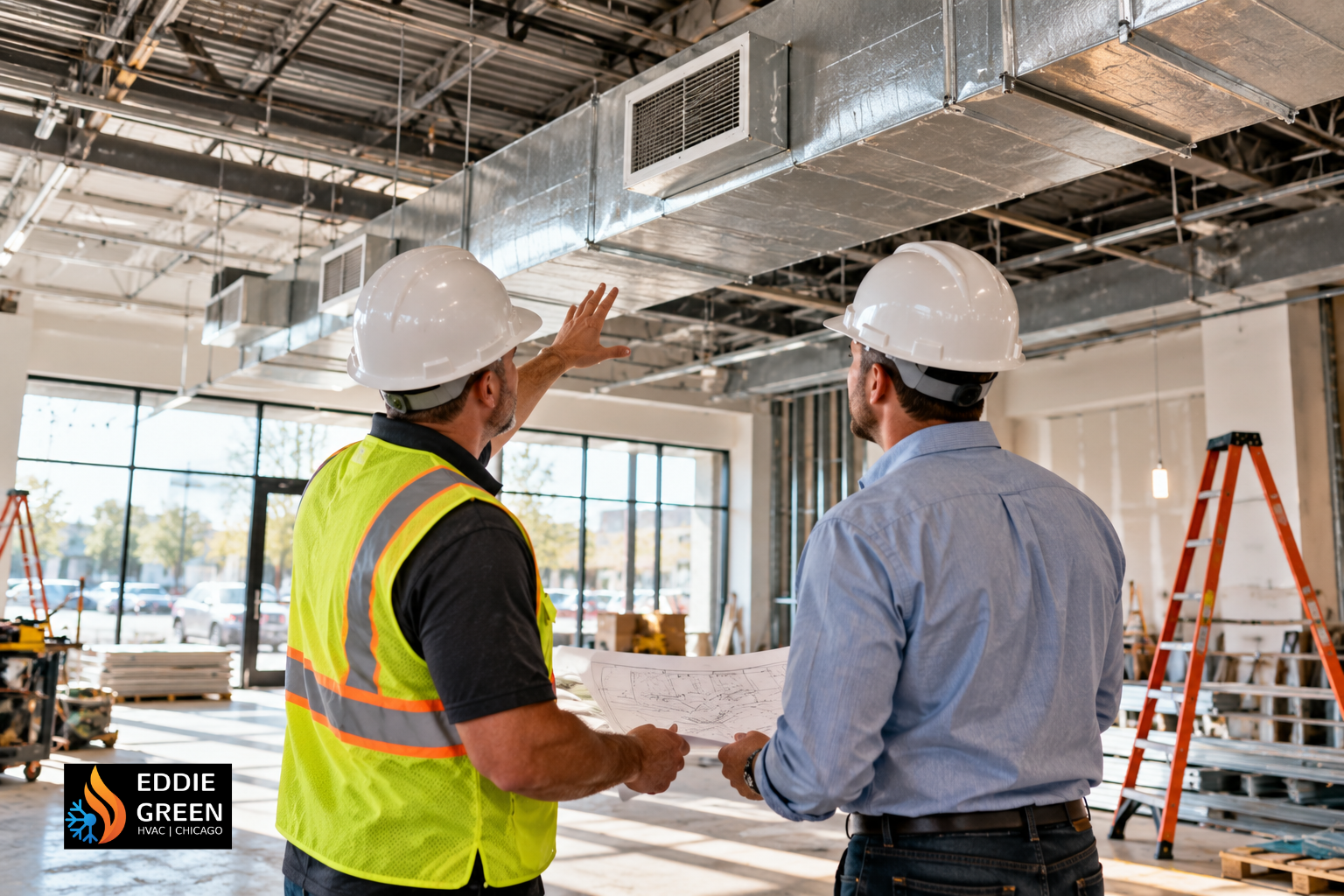
For multi-unit or business properties, dependable performance is key. Interruptions can disrupt operations, lead to tenant complaints, and result in larger emergency repair costs. That’s why many property managers treat commercial HVAC installation and maintenance as essential operational planning rather than occasional service calls.
What Homeowners Should Do Now
Watch for warning signs early.
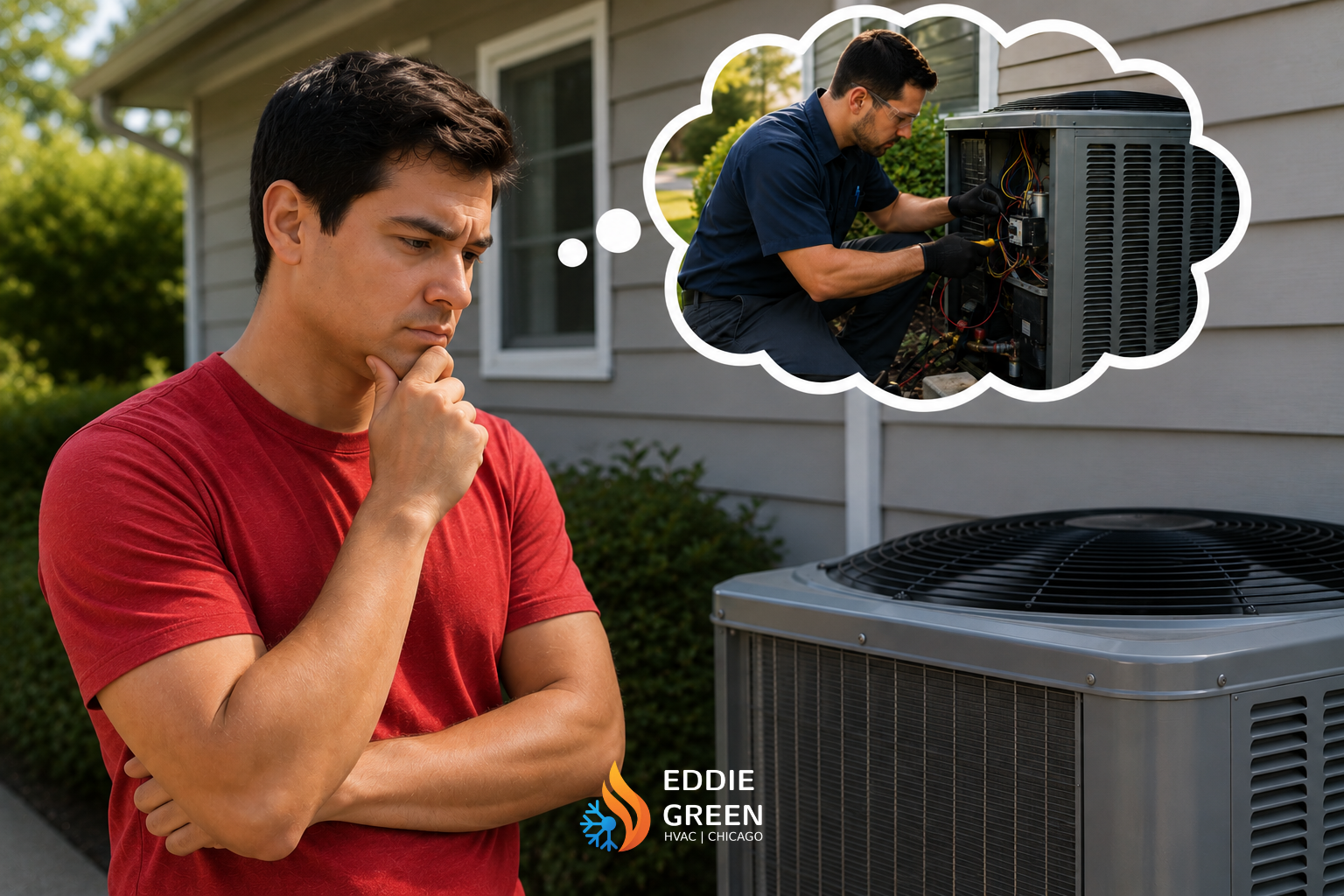
If your HVAC system is noisier, less efficient, or less consistent, don’t ignore it. Small changes in performance often hint at a component wearing out or restricted airflow. Spotting problems early gives you more repair options and can prevent a full emergency replacement.
Also, pay attention to moisture issues, dust buildup, frequent thermostat tweaks, and unusually high bills. These might not seem dramatic but often point to underlying issues a pro can diagnose quickly. If cooling is the issue, a call for residential AC repair might be the fastest way to restore comfort before the next heatwave.
Build a yearly plan instead of waiting for emergencies
The best HVAC strategy is simple: schedule maintenance before the season gets extreme. A spring cooling check and a fall heating inspection ensure your system is ready when you need it most. This approach reduces the chance of last-minute breakdowns and gives techs time to make needed adjustments before peak demand.
A yearly plan also makes budgeting easier. Instead of being caught off guard by emergency repairs, you can spread out service costs and make informed decisions about repair versus replacement. This predictability is a major reason homeowners view HVAC care as a long-term investment rather than just another expense.
Choose a contractor who offers more than basic fixes
Not all HVAC service is the same. A good contractor should explain the problem clearly, offer practical solutions, and recommend options that fit your home’s needs and budget. Look for a company that understands local conditions, follows code requirements, and provides both repair and replacement advice when needed.
At Eddie Green HVAC, we help homeowners make smart choices about comfort, efficiency, and equipment longevity. Whether you need a repair, seasonal maintenance, or a full replacement, the right service plan can protect your investment and improve daily living. If your system is aging or struggling, it may be time to explore new furnace installation or a well-planned service check before the next big seasonal change.
Conclusion: HVAC Care Pays Off in Comfort, Savings, and Peace of Mind
Professional HVAC care is one of the smartest investments a homeowner can make. It boosts comfort, lowers waste, extends equipment life, and supports a healthier indoor environment. It also shields you from avoidable repairs and helps your home maintain value in a competitive market. When you look at the numbers, the case is clear: maintenance, proper sizing, and expert installation create benefits that last long after the service visit is over.
If you want to get the most from your heating and cooling system, start with a professional assessment and a preventative plan. Small improvements today can prevent major costs tomorrow. To learn more, explore our HVAC services, check out related articles on system performance, and contact Eddie Green HVAC for help creating a plan that fits your home and your goals.
Ready to protect your home investment? Schedule professional service, ask questions early, and keep your system working the way it should. For dependable help in Chicago, you can reach Eddie Green HVAC at (224) 857-3327 or visit our website to get started.