How to Tell If Your HVAC System Is Overworking
Your HVAC system should quietly keep your home comfy. When it starts making more noise, running longer, or just seems less efficient, it might be working too hard. Sometimes, it's not just about the age of the system. Problems like sizing, airflow, missed maintenance, or installation mistakes can be the real culprits. Spotting these signs early can save you money, keep your home cozy, and make your HVAC last longer.
At Eddie Green HVAC, we often find systems pushed too hard because they're not properly matched to the home or small issues were ignored. If you're looking at repair, maintenance, or replacement options, services like seasonal HVAC maintenance and correct furnace installation can ease the system’s workload. Knowing the signs helps you decide when it's time for a professional check-up.
Research backs this up. Studies show more than 60% of home HVAC systems are the wrong size, leading to 20-30% wasted energy. That's a big hit on efficiency, especially during extreme weather. According to the U.S. Department of Energy, heating and cooling make up a large part of home energy use, so even small problems can spike your bills. Check out the DOE’s heating and cooling efficiency guide for basics.
Why an Overworked HVAC System Matters
Higher Energy Use and Wasted Money
If your HVAC system is overworking, it burns more electricity or gas to keep the same comfort level. It might run longer, start up more often, or struggle with the thermostat setting. Over time, this adds up on your utility bill, especially in places with hot summers and cold winters. Most folks notice the cost before they spot the actual problem.
And it's not just about the bill. An overworked system often can't maintain even comfort, so upstairs may be warm, near windows might be cold, or some rooms might feel stuffy. This mismatch is a telltale sign something deeper is wrong.
Shorter Equipment Lifespan
Every HVAC system has a typical workload. When it cycles too often, struggles with blocked airflow, or runs with the wrong refrigerant, parts wear out faster. Compressors, blower motors, igniters, and other components all take a hit. So, a system that should last many years might fail early if the strain continues.
This is why correct sizing and regular maintenance are key. If you skip those, the system often suffers unnecessary damage. Sometimes, the difference between a smooth-running system and a struggling one is simply a professional checking the installation quality.
Common Signs Your HVAC System Is Overworking
Rising Utility Bills Without a Clear Reason
If energy costs are climbing but your usage habits haven't changed, your HVAC might be using more power than it should. A sudden bill spike is often an early red flag. Dirty filters, duct leaks, low refrigerant, thermostat issues, and oversized equipment can all contribute.
To make sense of bill changes, compare the same month year over year instead of just the previous month. Weather plays a role, so a hotter summer or colder winter can increase demand. Still, if your bill jumps and comfort drops, it likely points to an HVAC issue.
Uneven Temperatures from Room to Room
Another clue is uneven comfort. One room might be just right, while another never hits the right temperature. This can happen with restricted airflow, leaking ducts, blocked return air, or if the system is the wrong size for the home. It can also happen if the system is always trying to catch up but lacks enough capacity.
In a balanced system, room temperatures shouldn't vary much. If you're always adjusting the thermostat for hot or cold spots, the equipment might be overworked. This is especially true in homes with additions, finished basements, or older ductwork that wasn't updated for the current layout.
Frequent Short Cycling
Short cycling is when the system turns on and off too often without finishing a full run. This is a key sign of strain because it usually means the system struggles to work efficiently. Causes include an oversized unit, thermostat trouble, clogged filters, frozen coils, or safety switches shutting the system down early.
Oversized systems are especially problematic because they heat or cool the home too quickly and shut off before removing enough humidity or fully circulating air. This creates extra wear and often leaves the home feeling less comfortable.
Strange Noises, Odors, or Vibration
When equipment strains, it often gets louder. Banging, rattling, squealing, buzzing, or grinding noises can signal loose parts, motor trouble, airflow resistance, or failing components. Unusual smells can also be a concern, especially if you notice burning odors, mustiness, or a dusty smell that never goes away.
Don't ignore these symptoms. They often signal a growing mechanical issue. Even if the system still runs, noise or odor might mean parts are rubbing, overheating, or operating outside normal limits. Catching it early can prevent bigger, pricier breakdowns.
What Causes an HVAC System to Overwork?
Incorrect System Sizing
Improper sizing is a major cause of overworked HVAC systems. A too-small system might run constantly and never satisfy the thermostat. A too-large system might short cycle, create humidity problems, and waste energy. Either way, the equipment isn't working in its ideal range.
Correct sizing should be based on a detailed load calculation, not just square footage. Factors like insulation, window quality, ceiling height, home orientation, and duct design all influence what the property needs. This is why a professional approach is important during a replacement or new build. If you're considering new equipment, professional AC installation and an accurate load assessment can prevent years of stress.
Poor Airflow and Dirty Filters
Restricted airflow forces the system to work harder to move conditioned air throughout the home. Dirty filters, blocked registers, damaged blower parts, and undersized ductwork can all create resistance. Once airflow drops, the system must run longer to meet the same demand, which increases wear and energy use.
Simple maintenance often solves part of the problem. Replacing filters on schedule, keeping supply and return vents clear, and having ducts inspected when performance changes can make a noticeable difference. When airflow problems are more serious, a professional inspection can identify whether the issue is in the duct layout, the blower assembly, or both.
Leaky Ducts and Air Leaks in the Home
Air leaks are another major reason HVAC systems overwork. If conditioned air escapes through duct joints, attic runs, or poorly sealed connections, the system must produce more heating or cooling to make up for the loss. Likewise, leaks around doors, windows, and other openings allow outside air to enter and force the system to run longer.
The U.S. Environmental Protection Agency explains that sealing and insulating ductwork can improve efficiency and comfort. You can review the EPA’s helpful guidance on duct sealing and insulation to understand how much conditioned air may be lost before it reaches living spaces. In many homes, fixing leaks is one of the most cost-effective ways to reduce HVAC strain.
How Seasonal Weather Can Push the System Too Far
Extreme Heat and Humidity in Summer
During hot weather, an air conditioner has to remove both heat and humidity. If outdoor temperatures are high for long periods, the system may run nearly nonstop just to maintain indoor comfort. High humidity makes the job even harder because moisture removal adds another layer of load. This is one reason homes can feel sticky even when the thermostat says the temperature is correct.
In places with heavy summer humidity, like the Midwest, an undersized or poorly maintained AC system may never fully recover between cycles. That leads to higher bills, longer run times, and more wear on the compressor and blower components. If your cooling system seems unable to keep up, timely AC repair can help identify whether the issue is mechanical, airflow-related, or tied to refrigerant performance.
Cold Snaps and Rapid Temperature Swings
Heating systems face their own strain when temperatures drop sharply. Furnaces and boilers have to work harder during sudden cold snaps, especially if the home has weak insulation or air leaks. Rapid temperature swings can also cause the system to start and stop more frequently as the thermostat tries to keep up.
Chicago homes and businesses know this problem well. Seasonal stress makes accurate sizing, strong insulation, and routine tune-ups more important than ever. If a heating system is already aging, a harsh winter can expose hidden issues quickly. That is why seasonal service and prompt repairs matter before the cold becomes severe.
How to Check Whether Your HVAC System Is Struggling
Use a Simple Homeowner Checklist
You don't need special tools to spot many warning signs. Start by asking whether the system runs longer than it used to, whether certain rooms are uncomfortable, and whether your bills have changed significantly. Then listen for strange noises and notice whether airflow from vents feels weaker than usual.
Also look at the filter, thermostat settings, and visible supply registers. A clogged filter or blocked vent can create enough resistance to affect performance. If the issue persists after basic checks, the problem is likely deeper and should be evaluated by a professional. In those cases, preventative service such as routine furnace and AC maintenance can help catch hidden issues before they become major repairs.
Watch for Humidity and Indoor Air Quality Changes
A struggling HVAC system often affects more than temperature. If the air feels muggy, stale, dusty, or unevenly dry, the system may not be moving air or managing moisture correctly. Comfort problems like this can appear gradually, which is why many homeowners overlook them until the system is under heavy stress.
Indoor humidity control is especially important because excess moisture can make the home feel warmer than it is, causing the system to run even more. The system then cycles longer, but the comfort problem remains. That can become a loop of inefficiency unless the root cause is addressed.
Look at System Age and Maintenance History
An older system with a long record of missed maintenance is more likely to work harder than it should. Parts wear down, efficiency drops, and minor problems begin to compound. If your equipment is nearing the end of its service life, the best solution may not be another quick patch but a more complete evaluation of repair versus replacement.
For homeowners weighing those options, it helps to compare repair frequency, comfort performance, and energy use. If you are seeing repeated failures, inconsistent output, and rising costs, a conversation about furnace repair or a full replacement may be the most practical path. The goal is not just to make the system run; it is to make it run normally again.
Real-World Example: What Overwork Looks Like in Practice
A Home with High Bills and Hot Upstairs Bedrooms
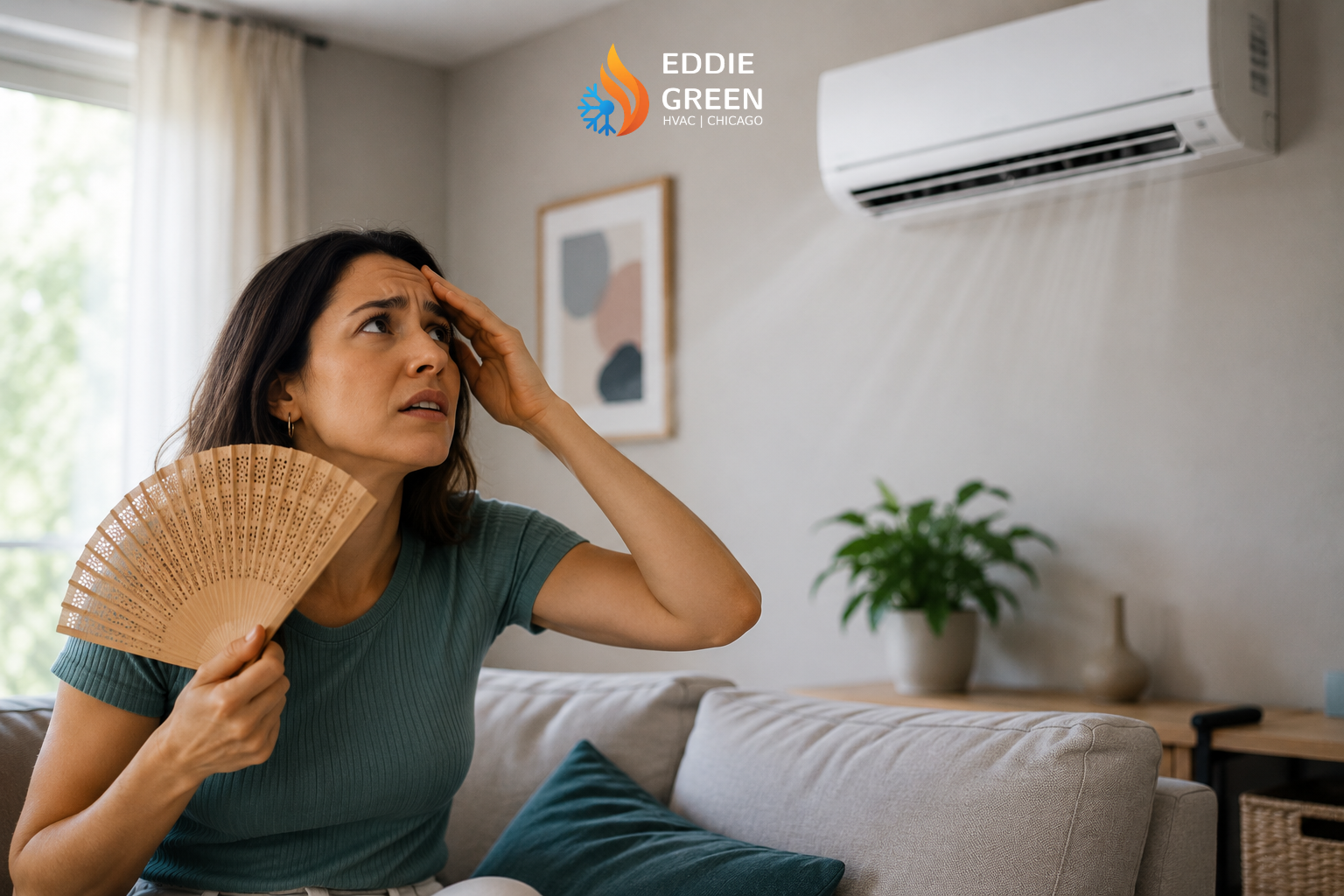
Consider a two-story home where the upstairs bedrooms are always warmer than the main floor. The thermostat is set lower and lower, but the issue never fully improves. The utility bill climbs every month, and the air conditioner seems to run almost constantly on humid days. This is a classic sign that the system is being pushed beyond its comfort zone.
In many cases, the cause is not just the AC unit itself. It may be a duct imbalance, an undersized return, a leaking attic run, or a system that was never properly matched to the house. A targeted inspection can reveal whether the solution is a repair, a duct correction, or a new properly sized system. That kind of diagnosis is exactly where experienced HVAC contractors add value.
Commercial Stress and Equipment Load
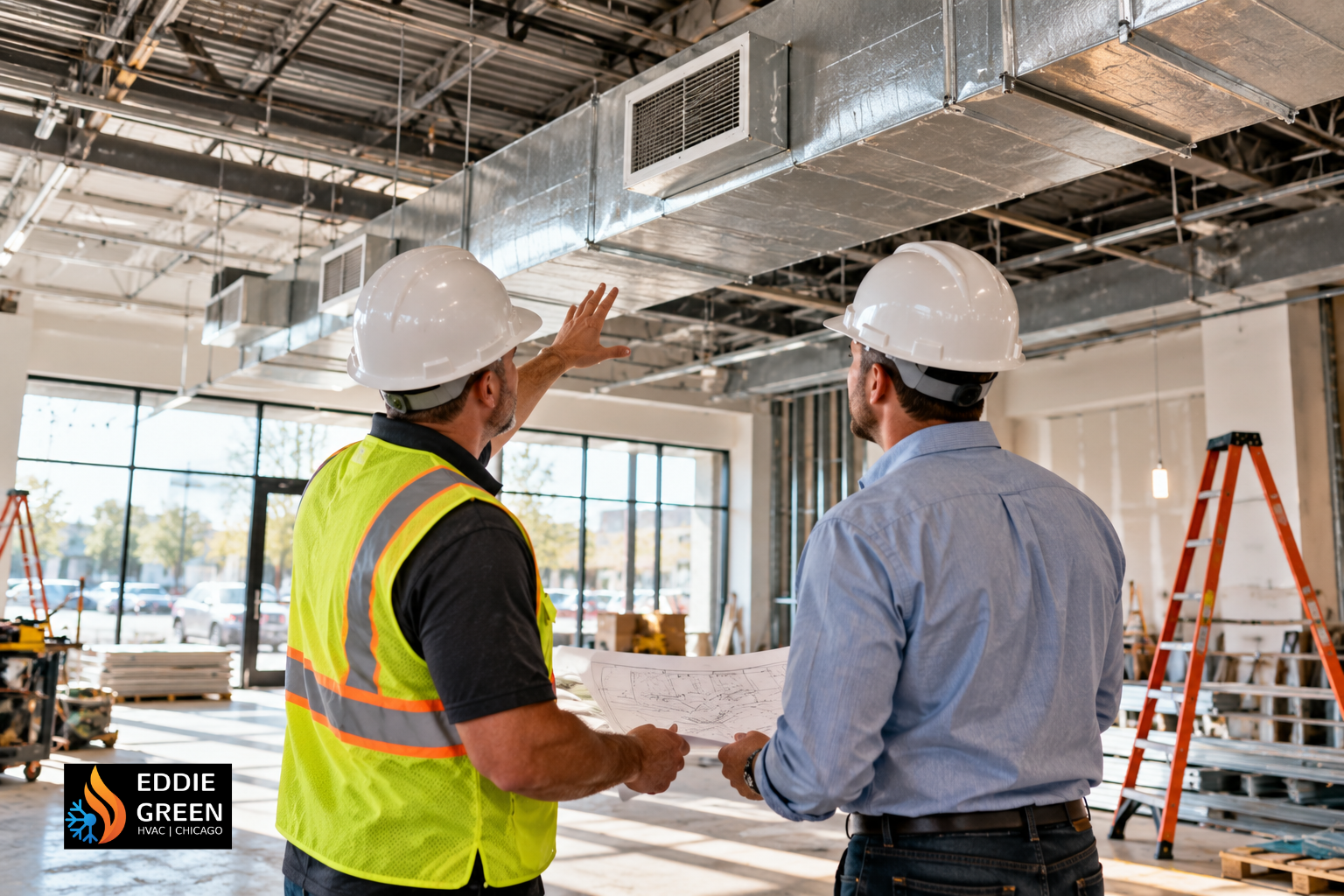
Overwork is not only a residential issue. Small and mid-size commercial properties can also suffer when HVAC equipment is undersized or maintained poorly. Busy occupancy schedules, large glass exposure, and variable internal heat loads can place extra demand on the system. When that happens, comfort complaints and operating costs rise together.
For building owners, a planned approach is critical. Professional commercial HVAC installation and routine testing can help prevent overwork before it becomes a business disruption. In commercial settings, downtime is expensive, so proactive planning is usually much cheaper than emergency replacement.
How to Prevent HVAC Overwork Before It Starts
Schedule Regular Tune-Ups
Routine maintenance is one of the best ways to keep an HVAC system within normal operating limits. A proper tune-up can include filter replacement, electrical checks, refrigerant inspection, blower evaluation, thermostat testing, and safety controls review. Small corrections during maintenance often prevent major performance loss later.
Experts consistently recommend regular inspections because they help identify decline before failure. Many installation and commissioning practices also emphasize testing the system after startup, not just assuming it is functioning correctly. That approach catches performance issues early and helps protect both comfort and equipment life.
Address Insulation and Air Sealing
Even a strong HVAC system can look weak if the home leaks too much conditioned air. Sealing gaps around windows, doors, attic penetrations, and ductwork can dramatically reduce the workload on heating and cooling equipment. Better insulation also helps the system maintain indoor temperature with less effort.
The more stable the home envelope, the less the HVAC system has to compensate for outdoor conditions. That matters in both summer and winter because reduced leakage lowers runtime and improves consistency. In many homes, these improvements provide comfort gains that are noticeable within days.
Get a Sizing Review Before Replacement
If you are considering new equipment, sizing should be a top priority. A replacement that repeats the same sizing mistakes will not solve the underlying issue. Instead, a proper load calculation can help match the equipment to the building’s real needs and avoid future strain.
That is especially important when replacing older units that may have been selected years ago using outdated rules of thumb. Today’s practice is to evaluate the entire system, not just the box on the mechanical pad. A thoughtful replacement can improve efficiency, comfort, and reliability at the same time.
When to Call a Professional HVAC Contractor
Signs You Should Not Ignore
Call a professional if the system runs constantly, short cycles, trips breakers, makes unusual noises, or fails to maintain set temperatures. You should also seek help if utility bills are rising unexpectedly or if you notice airflow changes that basic filter replacement does not fix. These are strong indicators that the system is under stress and may be heading toward failure.
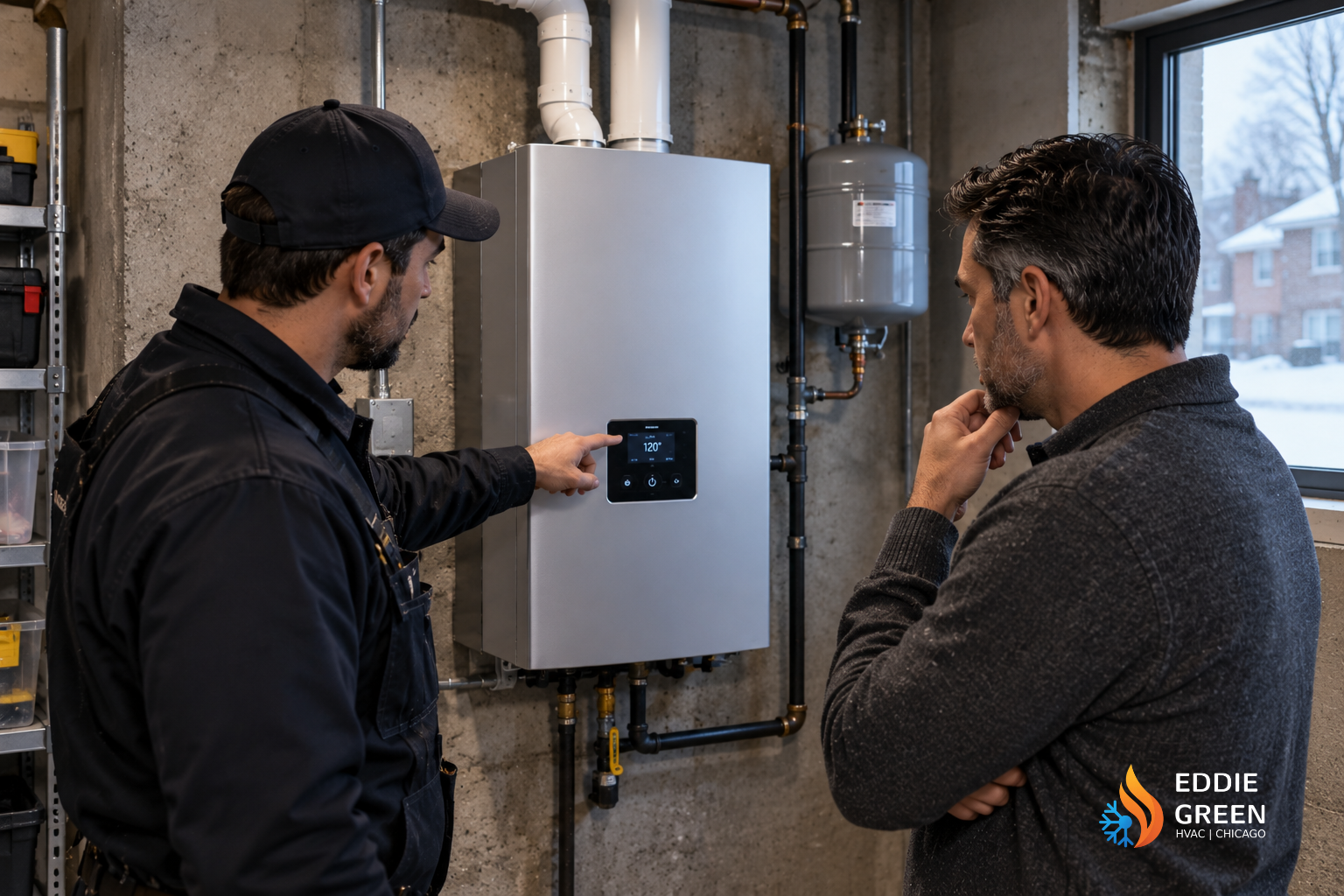
Professional technicians can test airflow, measure temperature split, inspect electrical components, and check for hidden installation or ductwork problems. That diagnostic step is often the difference between guessing and solving the real issue. If you need a deeper evaluation, the team at Eddie Green HVAC can help identify the cause and recommend the right repair or upgrade path.
What a Proper Inspection Should Include
A thorough inspection should not stop at the thermostat. It should examine airflow, refrigerant performance, control operation, duct condition, safety devices, and overall system sizing. If the issue is installation-related, the contractor should be able to explain how the current setup is affecting efficiency and comfort.
Reliable contractors also look for root causes instead of only replacing parts. That is important because a repeated symptom may return if the real issue is untreated. Whether the final solution is repair, maintenance, or replacement, the goal should always be stable performance with less strain on the equipment.
Final Thoughts: Catch the Warning Signs Early
Your HVAC system will usually warn you when it's overworking, but you need to know what to look for. Watch for rising utility bills, uneven temperatures, short cycling, weak airflow, strange noises, and humidity issues. The sooner you address these, the more likely you are to avoid major repairs, high energy costs, and early replacement.
If you suspect your system is under stress, don't wait for a full breakdown. Start with basic checks, schedule maintenance, and get a professional opinion if the symptoms continue. For homeowners and businesses who want lasting comfort and lower operating costs, preventative maintenance and expert diagnostics are some of the smartest investments you can make.
For help evaluating your system in Chicago, contact Eddie Green HVAC at (224) 857-3327 or visit chicagohvacpro.com. A properly running HVAC system should support your comfort, not strain to keep up with it.