Why Ductless Mini-Splits Are a Smart Solution for Many Homes
Ductless mini-splits can be a great upgrade for homeowners looking for better control of their home's temperature. They’re all about efficiency and keeping things simple during installation. If you live in an older home without ductwork, have a room that’s always too hot or too cold, or have added a new space that needs its own climate control, these systems might be just what you need. Here’s what you need to know about the benefits, costs, and what to expect when installing and maintaining a ductless system.
Many folks start considering ductless systems after dealing with uneven temperatures, high energy bills, or needing a flexible option for spaces like basements, attics, or sunrooms. In these cases, ductless mini-splits can be a smart alternative to tearing up your home for ductwork. It’s also good to think about your overall home comfort strategy, including seasonal HVAC maintenance and tips from our piece on cutting your energy bills with your HVAC system. A complete plan can make a real difference.
When it comes to energy and planning, ductless systems fit well with current efficiency guidelines. The U.S. Department of Energy says these systems are efficient because they avoid the losses you get with leaky duct systems, which can waste a lot of conditioned air. For more on efficiency, check out what energy.gov and the ENERGY STAR program have to say.
What Is a Ductless Mini-Split?
How the System Works
A ductless mini-split is basically a heating and cooling setup with an outdoor unit and one or more indoor units. They’re connected by a small conduit that carries refrigerant, power, and a drain line. Since there are no ducts involved, these systems can deliver air directly to specific areas with minimal energy loss.
Each indoor unit typically handles one zone, so you can set different temperatures in different parts of your home. This flexibility is a big reason why people love these systems. You get to choose where you want comfort, instead of heating or cooling every room evenly. This zoning capability is a huge plus for homes with different sun exposures or insulation qualities.
Why Ductless Is Different from Central Air
Central air systems push air through ducts, which can be problematic if the ducts are damaged or poorly designed. Ductless mini-splits avoid these issues by sending air directly into living spaces. This design often makes them quicker to respond because the air doesn’t have to travel through a long duct system.
This difference is crucial in homes where comfort problems stem from the duct system. If one room is too hot, another too cold, or your basement never matches the rest of the house, ductless systems can tackle these issues directly. Sometimes, homeowners use ductless zones alongside services like residential AC repair or residential AC installation to improve or add to their current setup without a complete overhaul.
Why Ductless Mini-Splits Are So Efficient
Reduced Energy Loss
One big advantage of ductless mini-splits is avoiding duct losses. As air travels through ducts, it can escape or change temperature, especially if ducts run through hot attics or cold crawl spaces. By sending air directly into rooms, ductless systems often use less energy to keep you comfortable.
Efficiency isn’t just about the equipment; it’s also about how the system fits your home. If your HVAC setup is working too hard, our guide on why your HVAC system might be wearing out faster can help. It explains how poor design can lead to high costs over time, showing why a well-matched ductless system can be a wise investment.
Inverter Technology and Variable Speed Control
Most ductless mini-splits have inverter-driven compressors that adjust based on demand. Instead of turning on full blast and then shutting off, they modulate smoothly, reducing temperature swings and energy use, especially in mild weather.
This variable-speed operation helps keep rooms steady and manages humidity better. According to the American Council for an Energy-Efficient Economy, efficient HVAC strategies that minimize wasted energy can significantly reduce home operating costs. Ductless systems are a straightforward way to apply this principle at home.
Where Ductless Mini-Splits Make the Most Sense
Homes Without Existing Ductwork
Older homes are perfect candidates for ductless mini-splits, especially if adding ducts would require major changes. Many historic properties were built before central air was common, meaning they might have boilers or radiators but no ductwork. In these cases, a ductless system can provide modern heating and cooling without altering the home too much.
This is valuable for homeowners wanting comfort improvements without tearing open walls. If your heating system is aging, consider whether furnace repair or boiler repair is a good short-term fix while planning a longer-term upgrade. Sometimes, combining targeted repair with a mini-split is the best strategy.
Additions, Conversions, and Bonus Spaces
Room additions are another great use case because extending existing ductwork can be costly and sometimes ineffective. Attics, sunrooms, or garage conversions often have different heating and cooling needs than the main house. A ductless unit can give these spaces their own control, preventing overcooling or overheating other areas.
Homeowners often find these new spaces uncomfortable because they are outside the original HVAC design. A mini-split solves this issue by focusing on the exact area that needs help. This is easier and more economical than trying to force the whole house system to adapt.
Rooms with Persistent Hot or Cold Spots
If a bedroom is always too warm in the summer or a family room stays chilly in winter, a ductless unit can be a targeted fix. These hot and cold spots are common in homes with uneven insulation or large windows. A mini-split can act as a comfort correction tool, especially when the issue is localized.
Comfort problems can also signal larger HVAC issues, such as airflow restrictions. Our article on how to tell if your HVAC system is overworking explains how to spot warning signs before an issue becomes a breakdown. In some homes, a ductless zone is the right answer; in others, it’s part of a broader repair and efficiency plan.
Comfort Benefits Homeowners Notice Right Away
Better Temperature Control by Zone
One of the best perks of ductless systems is zone control. You can keep a bedroom cooler at night or maintain a comfortable home office during the day without wasting energy on unused spaces. For busy households, this personalized comfort is a big win.
Zone control helps families with different comfort preferences. Instead of one thermostat for everyone, you can adjust the home area by area, reducing thermostat battles and creating a more balanced indoor environment. This flexibility is even more valuable in homes with open floor plans or multi-level layouts where temperature differences are noticeable.
Improved Humidity Management and Quiet Operation
Ductless mini-splits often handle humidity well, which is especially nice during muggy summers. Lower humidity makes a home feel cooler, allowing you to set the thermostat higher without sacrificing comfort, which can reduce energy use.
Another comfort advantage is their quiet operation. Since the noisy parts are outside and indoor units are designed to be quiet, ductless systems are often much less intrusive than older equipment. For bedrooms, home offices, or study spaces, this quiet performance is a major selling point.
Installation Considerations Before You Decide
Proper Sizing Matters
A ductless mini-split only performs well if it’s properly sized for the room or zone it serves. An undersized unit might run constantly without reaching the set temperature, while an oversized unit may short cycle and fail to control humidity effectively. That’s why getting a professional load calculation matters before installation.
Choose equipment based on more than just square footage. Ceiling height, insulation quality, window size, sun exposure, and room usage all affect the right system size. When planning, careful evaluation leads to the best results. If you’re comparing long-term replacement options, our furnace installation and boiler installation services show how important sizing and setup are across all comfort systems.
Placement and Aesthetics
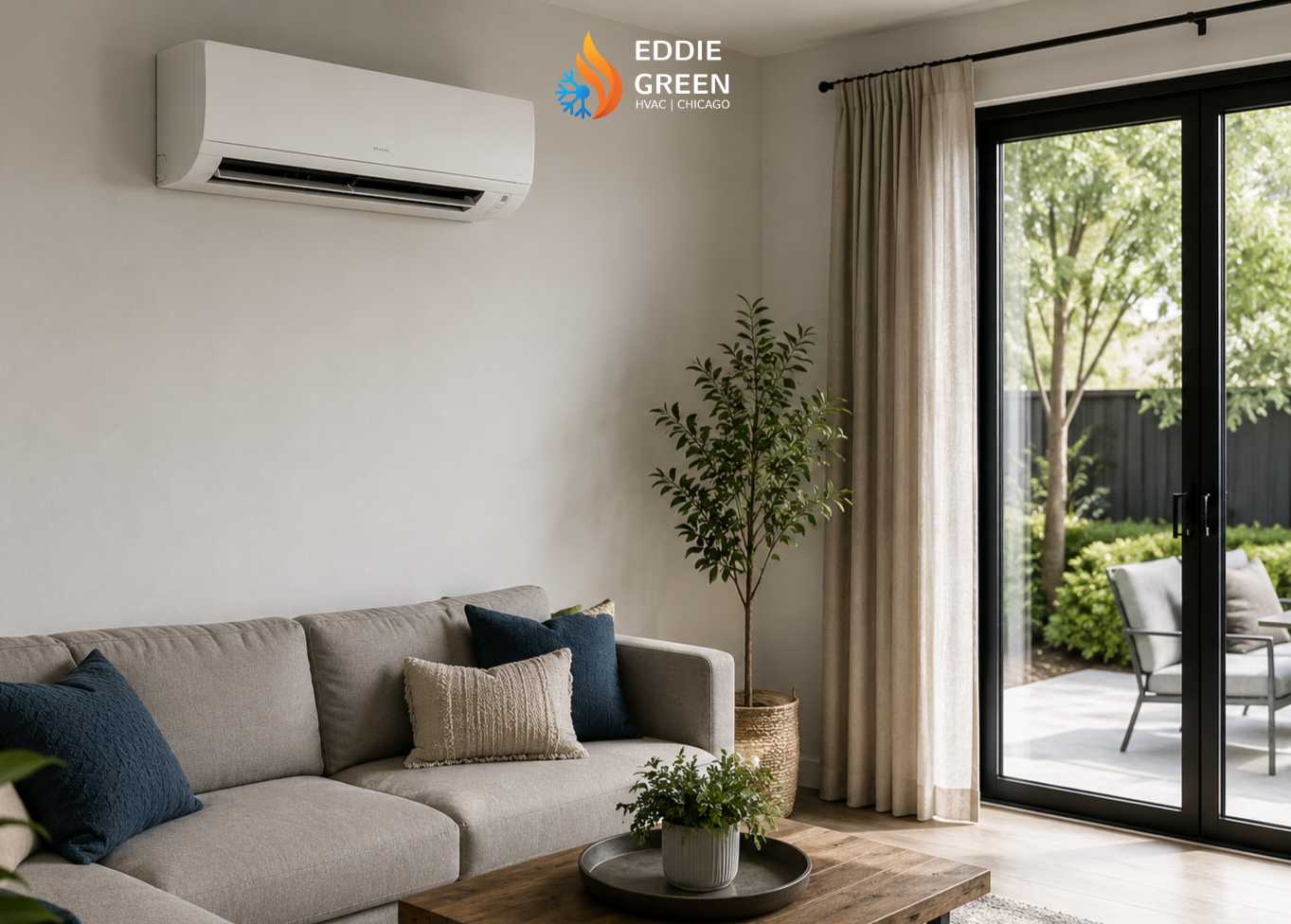
Indoor air handlers should be placed to distribute air effectively without causing drafts. Wall-mounted units are common, but ceiling- or floor-mounted options might make sense depending on the room. The goal is to combine performance with a layout that fits the room visually.
Some worry that ductless systems look bulky, but modern units are sleeker than expected. A good installer will discuss placement options that preserve the room’s appearance while delivering strong performance. This is why professional planning matters: the best system is efficient and practical for the home’s layout and the homeowner’s preferences.
What Installation Usually Involves
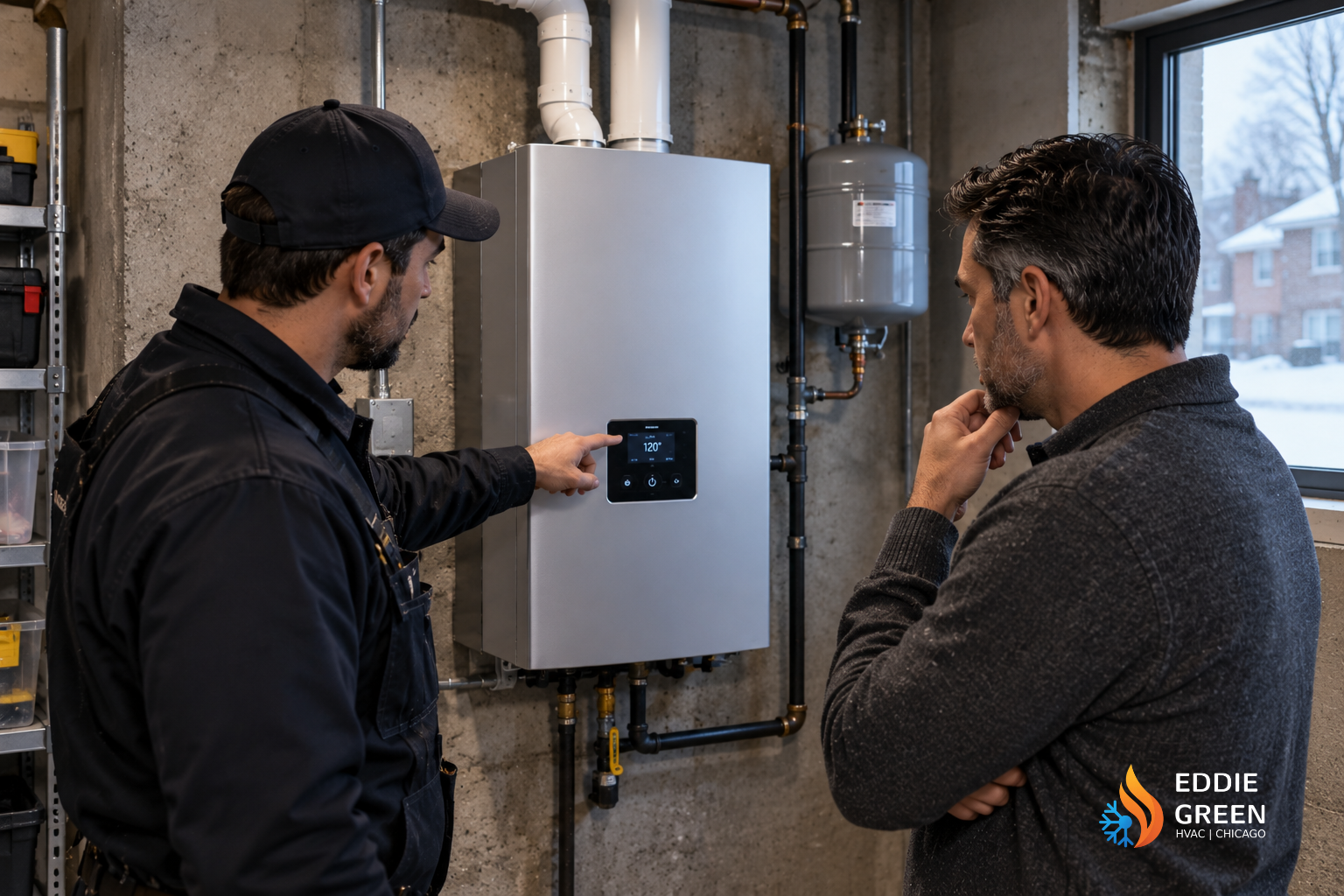
Installation is typically less invasive than adding full ductwork, but it still requires precision. A technician will determine the best location, run the line set through a small opening, connect electrical components, and test the system. This process is usually faster than a major duct retrofit, making it a popular choice for retrofits and additions.
Even though installation is less disruptive, it should still be done professionally. Refrigerant handling, electrical work, and system commissioning all matter to the outcome. For those considering a complete comfort upgrade, preventative maintenance can help protect your investment after installation by keeping the system clean and running smoothly.
Comparing Ductless Mini-Splits to Other HVAC Options
Versus Central Forced-Air Systems
Central HVAC is still great for homes with existing ductwork in good condition. But ductless mini-splits offer a flexible solution when ductwork is missing or inefficient. If a central system has to serve rooms with different needs, comfort can become inconsistent, and energy use can climb.
Ductless systems are often better for targeted comfort problems, while central systems are useful for whole-home distribution in houses already designed for them. The right choice depends on the home’s structure and the family’s comfort needs. For some, repairing and maintaining the existing system is best; for others, a ductless zone is the smarter upgrade.
Versus Window Units and Portable Equipment
Window units and portable ACs are usually temporary solutions. They can cool a room, but they’re often noisy, less efficient, and don’t look as polished. Plus, they often don’t provide heating as many ductless mini-splits do.
In contrast, mini-splits are a more permanent, integrated solution. They improve comfort without blocking windows or overloading circuits. For homeowners who want a room to feel finished and functional, the difference is noticeable. This is one reason ductless systems are so popular in offices, additions, and remodeled spaces.
Maintenance, Longevity, and Real-World Value
Simple Maintenance Tasks
Ductless mini-splits are relatively low-maintenance, but they still need regular care. Clean or replace filters as recommended, keep indoor units free of dust, and ensure outdoor components are clear of debris. Routine attention helps preserve airflow and efficiency.
Professional tune-ups are also important. They allow a technician to check refrigerant levels, electrical connections, drainage, and overall performance. This matters for both comfort and longevity. Homeowners with older equipment know the value of consistent care, which is why related services like residential AC repair are often part of a larger home comfort strategy.
How Long They Last
With proper installation and routine maintenance, ductless mini-splits can serve you well for many years. The actual lifespan depends on usage, climate, and maintenance habits, but they’re seen as a long-term investment. Their design can reduce wear compared to systems that cycle on and off aggressively.
Longevity also hinges on whether the system was chosen and installed correctly. A well-sized, well-placed unit is more likely to meet expectations. It pays to think beyond the purchase price and consider comfort, maintenance, and energy savings over time.
Common Questions Homeowners Ask
Are Ductless Mini-Splits Only for Cooling?
No, many ductless mini-splits offer both heating and cooling. Heat pump models work efficiently in a range of conditions, making them a year-round solution. This dual function is a major draw for those wanting one system to do more than a traditional air conditioner.
In colder climates, choose a model rated for winter conditions. Discuss performance expectations with an HVAC professional to understand how it will operate in real-world weather. If heating is a concern, comparing ductless options with other systems can help ensure the best fit.
Can a Mini-Split Heat an Entire House?
Sometimes yes, but not always. A whole-home ductless setup might work in a smaller house, an open floor plan, or a well-designed multi-zone installation. In larger homes, a combination of ductless zones and other equipment may provide the best comfort and cost balance.
The decision depends on the house size, insulation quality, and how evenly it needs to be conditioned. A professional assessment will help decide whether a single zone, multi-zone system, or hybrid plan is most practical. This is especially useful for homes with mixed construction styles or additions.
Are They Worth the Investment?
For many homes, yes. Ductless mini-splits are often worth it when they solve a comfort problem, avoid major duct installation, or improve efficiency in difficult spaces. They’re especially appealing when you want a long-term solution that looks better and performs better than temporary options.
The best value comes from matching the system to your home’s needs. If you’re solving a hot room, adding comfort to a renovation, or reducing waste in an inefficient layout, a mini-split can pay off in comfort and utility savings. If your current system works well and your ductwork is in great shape, another solution might be better. The key is honest evaluation instead of basing your decision on hype.
When to Talk to an HVAC Professional
Signs It’s Time for an Evaluation
If you have uneven temperatures, outdated equipment, a room that’s impossible to condition, or a renovation coming up, it’s a good time for an HVAC assessment. A pro can evaluate whether a ductless mini-split is your best solution or if it should complement your existing system. In some homes, the right answer is to repair, maintain, and add one targeted zone rather than replace everything.
Homeowners in Chicago and nearby areas often face extreme weather, making efficient zoning appealing. Many consider ductless systems after seeing their current setup struggle during winter and summer. If you’re ready to explore options, Eddie Green HVAC can help you compare choices and build a solution for your home’s needs, whether that involves ductless equipment, commercial HVAC installation for mixed-use properties, or other improvements.
What a Professional Consultation Should Cover
A good consultation should cover room-by-room comfort concerns, current HVAC performance, electrical capacity, installation options, and expected costs. The technician should explain the pros and cons clearly so you can make an informed choice. Expect a discussion about maintenance needs, warranty details, and how the system will fit your home over time.
It’s also wise to ask about complementary upgrades, especially if your house has aging equipment or weak insulation. A ductless system is excellent on its own but even better with a thoughtful comfort strategy, which might include targeted repairs, system balancing, or seasonal service to keep your equipment efficient and reliable.
Final Thoughts: A Flexible Solution for Modern Comfort
Ductless mini-splits are a smart solution for many homes because they tackle common comfort problems without the hassle of full ductwork. They offer strong efficiency, individualized zone control, quiet operation, and a flexible path for older homes, room additions, and hard-to-condition spaces. For many homeowners, that combination makes them one of the most practical HVAC investments today.
When comparing options, think about the rooms causing the most frustration. Look at how your current system performs, how often you use each space, and whether long-term energy savings matter to you. A well-designed ductless solution can improve everyday comfort in a way that feels immediate and lasting, especially when installed and maintained by pros.
To find out if a ductless mini-split is right for your home, contact Eddie Green HVAC for a personalized consultation. We’re here to help you make a confident decision, improve your comfort, and choose the best HVAC path for your space.