The Honest Guide to Heating System Risks in Chicago Homes
Older heating systems might seem reliable until they aren't. If you've got a furnace or boiler that's over 15 years old, it might still warm your home, but it might not be doing so efficiently or safely. These hidden issues often only come to light when something breaks, your energy bills soar, or the system just stops working.
Why is this important? Heating systems don't just keep you cozy; they impact your air quality, energy costs, and the safety of everyone at home. If you're weighing repair options, thinking about replacing your system, or just trying to avoid a winter breakdown, it's crucial to understand how older equipment behaves and what modern systems can offer. If you're unsure about whether to repair or replace, check out our residential furnace repair and installation services. We offer straightforward advice that keeps your long-term needs in mind.
This guide will break down why old systems can be risky, what signs to watch for, how efficiency shifts over time, and when upgrading might save you money and hassle. We'll also touch on maintenance tips, real-life examples, and practical steps to help you decide before winter hits hard.
Why Older Heating Systems Can Be Risky
Wear and Tear Goes Beyond Comfort
Every heating system wears down over time. Motors might loosen up, heat exchangers age, burners collect residue, seals break, and control boards can become unreliable. Even if your system seems fine, these small issues can cause uneven heating, loud noises, frequent on-off cycles, and higher utility bills. A system that seems ok might actually be struggling.
Here's why that matters: one weak link can drag down the whole system. If the blower isn’t working well, air won’t flow properly. A dirty burner can mess up combustion, and a faulty thermostat can lead to energy waste and more wear and tear. Over time, these issues don't just lower comfort—they increase the risk of a sudden breakdown when it gets cold.
Newer Systems Boast Better Safety Features
Today's heating equipment comes with improved controls, advanced diagnostics, and better safety shutoffs than older models. These upgrades help prevent dangerous malfunctions and make it easier to spot issues early. The U.S. Department of Energy highlights that efficient operation and regular maintenance are key to safe and affordable heating. Many older systems lack these protections.
Experienced HVAC contractors pay close attention to both the age and condition of a unit. A unit might still run at 15 or 20 years old, but its age means problems are more likely. It's important to evaluate the whole system, not just fix one part.
The Efficiency Gap: Old vs. New Equipment
Older Furnaces Waste More Fuel
One of the biggest risks with old systems is poor efficiency. Furnaces installed before the early 1990s often have efficiency ratings around 60% to 70%. This means 30% to 40% of the fuel could be wasted. Modern gas furnaces must have at least 80% efficiency, with high-efficiency models reaching up to 98%. This difference directly affects your bills.
Many don't realize this loss since the system still heats the home. But if more fuel is needed to maintain the same warmth, you're quietly losing money monthly. In cold places like Chicago, where the heating season is long, this matters a lot.
HVAC Systems Are Major Energy Users
Heating and cooling systems account for about 40% to 50% of a home's energy use. That's why heating performance is crucial for controlling costs. When an older system starts losing efficiency, it impacts your comfort and the entire energy profile of your building.
If you're eager to cut costs, our guide to reducing HVAC energy bills is a great start. It covers how maintenance, airflow, and upgrading equipment can make a big difference.
Safety Concerns You Shouldn't Ignore
Carbon Monoxide and Combustion Risks
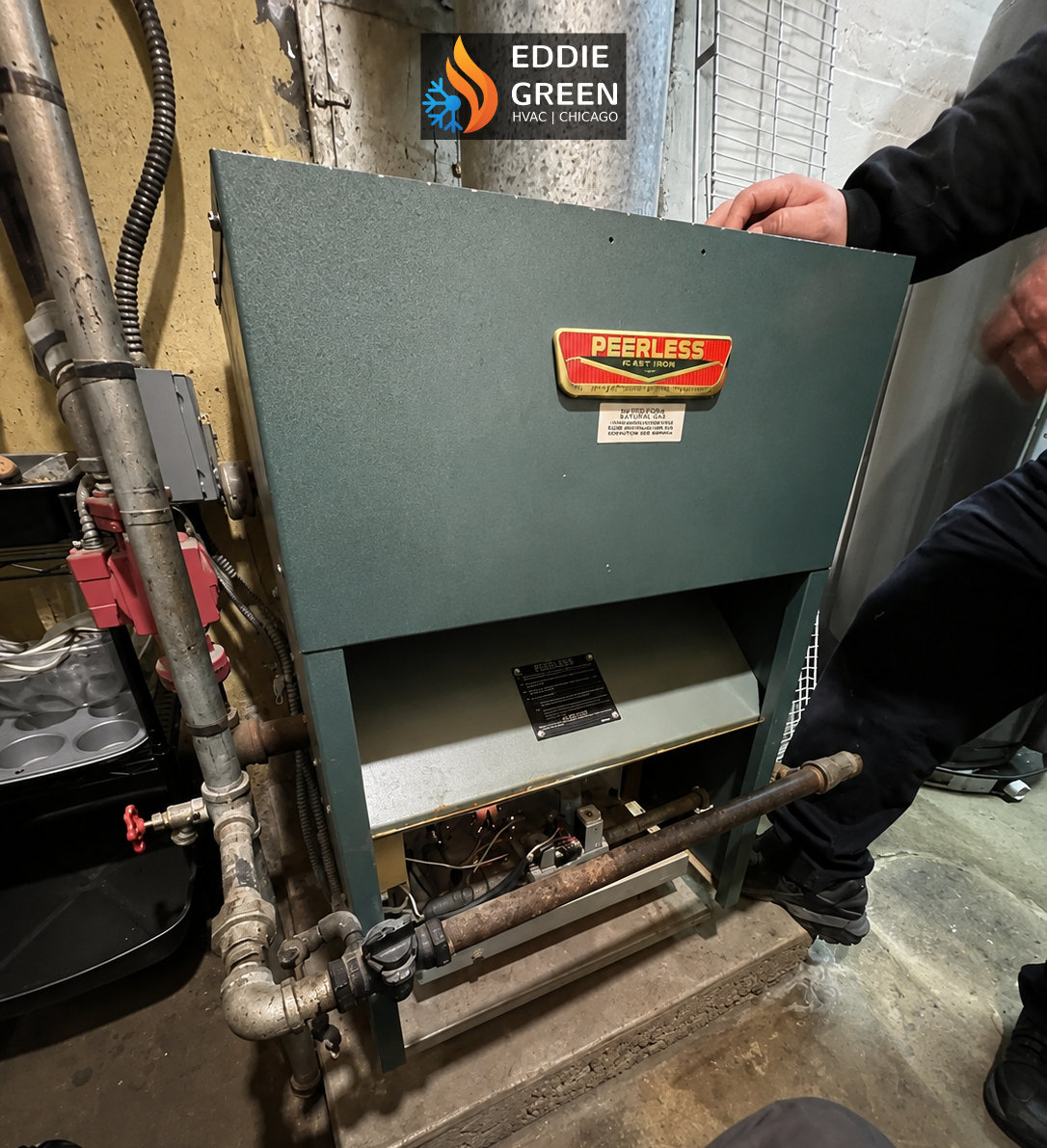
Older boilers and furnaces are more prone to combustion and venting issues, raising the risk of carbon monoxide leaks. This gas is dangerous because it's colorless and odorless, so problems might develop unnoticed. The U.S. Consumer Product Safety Commission and other safety authorities stress the importance of addressing heating equipment issues, especially with older systems.
Common risks include cracked heat exchangers, blocked flues, and failing burners. These aren't always obvious, which is why regular inspections are crucial for older equipment. They allow technicians to catch issues before they become dangerous.
Electrical and Control Failures
Old heating systems also depend on aging electrical parts that can become less reliable. Problems with contactors or ignition modules can lead to intermittent operation or shutdowns. What starts as a minor inconvenience can quickly become an emergency as temperatures drop.
Repeated resets can worsen the issue. If your system struggles to ignite, it might flood with fuel or overheat a part. If this sounds familiar, our boiler repair service can help you get back on track.
Signs Your Heating System Might Be Too Old
Frequent Repairs and Inconsistent Performance
A key sign that your heater is becoming a risk is frequent repairs. While individual fixes might seem manageable, regular breakdowns suggest multiple parts are nearing their end. If you're fixing issues every season or repair costs are climbing, replacement could be a smarter choice.
Other signs include uneven temperatures, short cycling, weak airflow, rising bills, strange noises, unusual smells, and visible corrosion. Spotting several of these could mean your system isn't operating safely or efficiently. For more details, check our guide on furnace warning signs.
Age Is a Factor, But Not the Only One
Just because a heating system is over 15 years old doesn't mean it's unsafe, but age should prompt a closer look. Systems with regular maintenance might last longer, while neglected ones may fail sooner. The key is assessing age along with performance and repair history.
According to AHRI, equipment efficiency and safety standards have improved over time, meaning newer systems may offer better performance and safer operations.
Best Practices for Aging Equipment
Regular Service Is Smart
Experts suggest servicing older heating systems twice a year. Regular checks can catch issues before they become serious. Maintenance usually involves cleaning parts, checking burners, inspecting electrical connections, testing controls, and ensuring safe combustion. These steps help maintain efficiency and prevent surprise failures.
Seasonal service is an affordable way to extend your system's life and reduce risks. Our preventative maintenance service helps keep systems stable through all seasons.
Maintenance Isn't a Cure-All
While maintenance is vital, it can't fix major wear or structural issues. A tune-up might improve function, but it can't fix a corroded heat exchanger or outdated design. That's why a good maintenance strategy includes honest assessments.
Technicians should look for recurring issues. If each visit reveals worsening problems, it might be time to consider replacement. The goal is to ensure reliability, not delay the inevitable with temporary fixes.
Deciding Whether to Repair or Replace
When Repair Is a Good Option
Repair might be a wise choice if your system is relatively young, the problem is isolated, and the overall condition is good. For instance, replacing a thermostat or igniter might make sense if the rest of the system is solid. Quick repairs can restore performance without major expenses.
Decisions are easier if you have a clear maintenance history and no major safety worries. A trusted contractor can tell you if the repair will solve the issue for the long haul.
When Replacement Makes More Sense
Replacement often makes sense when the system is old, inefficient, and unreliable. If repair costs keep adding up, and the system no longer provides comfort, a new one might pay off with lower energy use and fewer service calls. Upgrading a 20-year-old furnace to a high-efficiency model can reduce heating costs by about 25%.
For commercial properties, savings can be even greater. A Chicago business upgraded its heating system and saw a 30% drop in energy costs. If you're considering a larger property, our commercial HVAC installation service can help with planning and equipment selection.
How Modern Systems Improve Comfort
Better Temperature Control
Modern heating systems offer more than just energy savings. They provide better temperature control, reducing cold spots and frequent cycling. This is crucial in older buildings where uneven heating is common.
Advanced controls and better design lead to more stable indoor conditions, which not only improves comfort but also reduces wear from constant cycling. Over time, this means a more predictable and reliable heating experience.
Smarter Diagnostics and Easier Service
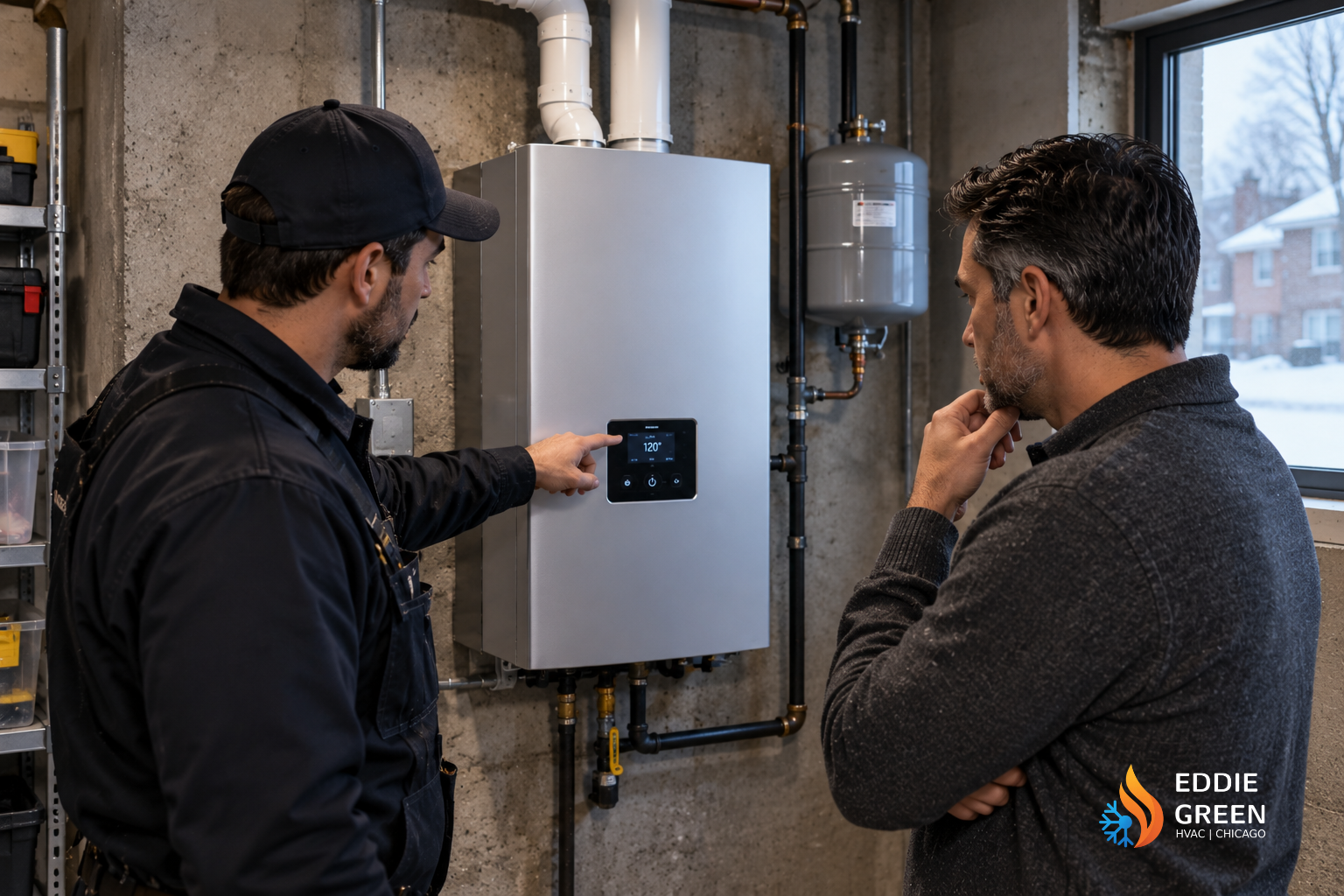
Newer systems often include diagnostics that make troubleshooting easier. Instead of guessing the problem, technicians can read fault codes and pinpoint issues. This reduces repair times and unnecessary part replacements.
For homeowners, this means less downtime and fewer surprises. For contractors, service calls become more efficient and recommendations more accurate. This is one reason replacing outdated equipment can enhance your overall ownership experience, not just your energy bill.
Special Considerations for Chicago Property Owners
Cold Winters Raise the Stakes
In Chicago, where winters are long and cold, older heating systems face greater demand. A unit that might do okay in a mild climate can become a big problem here. Chicago homes rely on steady heat for months, making system age and maintenance key.
For homeowners and businesses, planning is crucial. Waiting for a cold snap can leave you with limited options and higher costs. Addressing issues early is often safer and cheaper.
Business Risks Are Greater
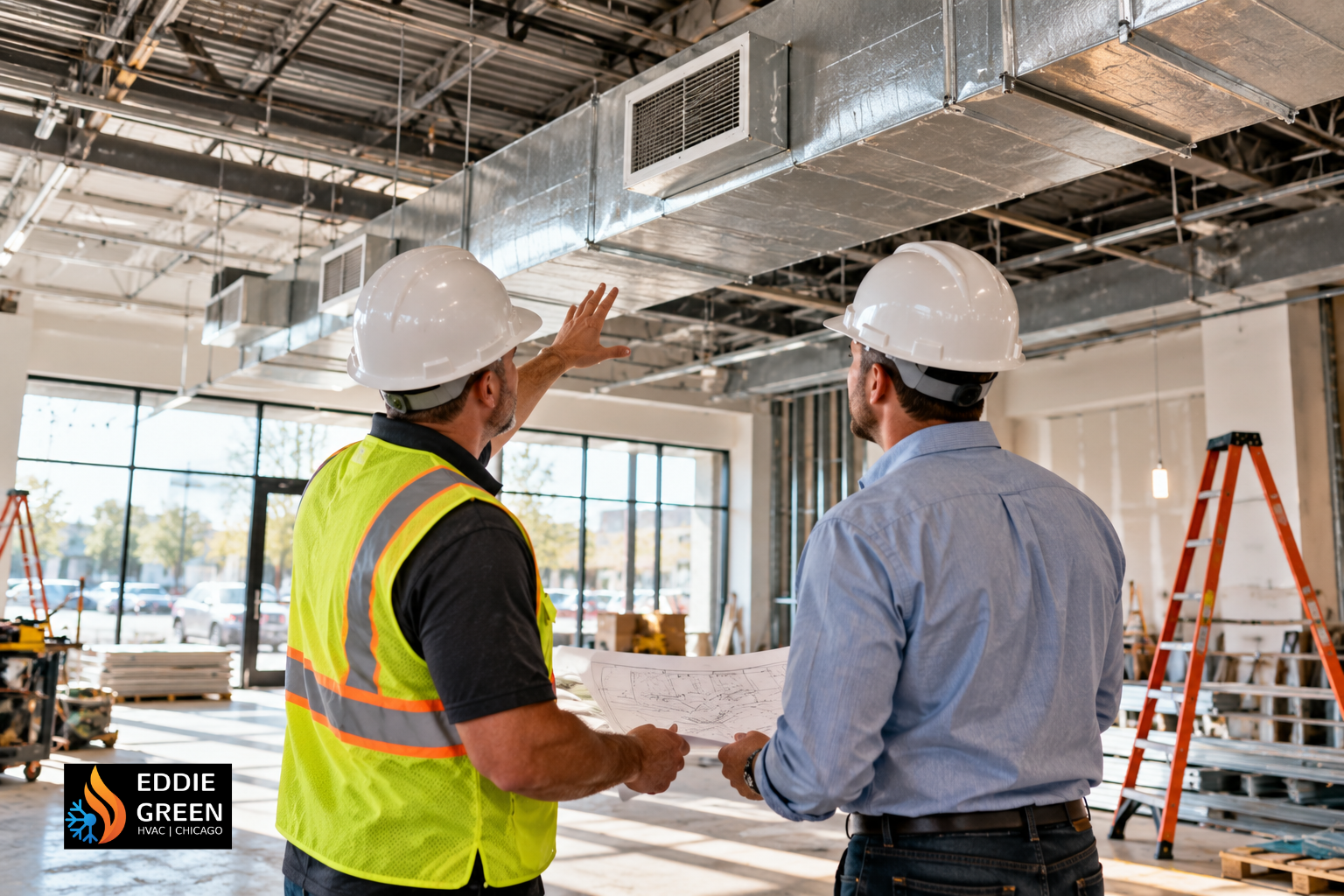
For commercial buildings, heating problems can disrupt operations, lower productivity, and lead to complaints. In a business setting, a failing system can be a budget issue as well as a service problem.
That's why commercial owners should assess heating equipment as part of a broader strategy. If issues are affecting operations, it might be time to consider replacing the system rather than patching it up.
Real-Life Stories of Old Heating Systems
Homeowner Example: Lower Bills After Replacement
Take a homeowner who keeps fixing a 20-year-old furnace. Repairs seem manageable: a blower one year, an igniter the next, a thermostat after that. Then they notice heating bills creeping up and comfort dropping.
After replacing the furnace with a high-efficiency model, heating costs drop by 25%. The home is quieter, warmer, and easier to manage. It's not just about energy savings—it's about comfort and less stress.
Business Example: Better Operations and Comfort
Now think of a small business with an outdated heating system in a busy environment. Cold spots annoy employees, customers complain, and service calls pile up. The hidden risk isn't just higher costs but disruption.
Once upgraded, comfort improves, and energy bills drop. The business shifts from reactive fixes to planned maintenance, protecting the budget and improving the experience for everyone inside. That stability is just as valuable as direct savings.
Next Steps for Homeowners and Businesses
Schedule a Professional Check
If your heating system is old, start with a professional assessment. A technician can review its age, efficiency, safety, and repair history to see if repair or replacement makes sense. This is crucial if you've noticed odd smells, rising bills, frequent breakdowns, or uneven heating.
If your boiler is your main heat source, our boiler installation team can help you compare options and find the right fit. For older systems still in decent shape, consistent maintenance can lower the risk of issues.
Use a Simple Replacement Checklist
A checklist can simplify your decision. Consider the system's age, repair frequency, comfort level, energy bills, and safety concerns. If two or more factors are off, replacement might be best.
- Is the system over 15 years old?
- Are repairs becoming more frequent?
- Are energy bills rising for no clear reason?
- Are some rooms too hot or too cold?
- Has a technician flagged safety concerns?
If you answered yes to several, the hidden risk may be becoming obvious. Acting early can prevent emergencies and let you plan the work on your terms.
FAQs About Older Heating Systems
How Do I Know if My System is Too Old?
Systems over 15 years old with frequent breakdowns or declining efficiency might be nearing their end. Age isn't the only factor, but it's a good reason for a closer look.
Is It Worth Repairing an Old System?
Repairing might be worthwhile if the issue is small and the rest of the system is in good shape. However, frequent repairs and poor efficiency often make replacement more cost-effective.
How Often Should Older Systems Be Serviced?
Twice-yearly maintenance is recommended for older systems. This helps catch wear early, keep parts clean, and reduce the chance of breakdowns during peak season.
What's the Biggest Hidden Risk of an Old System?
The biggest hidden risk is a mix of safety, efficiency, and reliability issues. A unit might still run but waste fuel, create combustion problems, or fail when you least expect it.
Conclusion: Protect Your Comfort and Budget
Old heating systems can quietly become a risk because they often fail gradually. Declining efficiency, weaker safety features, recurring repairs, and uneven comfort are signs that your equipment might not be the best fit anymore. Ignoring these issues can lead to costly or dangerous outcomes.
But you don't have to guess. A professional inspection, realistic cost comparison, and honest assessment of repair versus replacement can show you the best path forward. If you're ready to make a confident decision, Eddie Green HVAC can help with everything from furnace repair and furnace installation to preventative maintenance and full system upgrades. Contact us to protect your comfort, improve efficiency, and reduce risks before the next cold spell hits.