Why Airflow Matters for Your Furnace Installation in Chicago
When we think about home comfort, the first thing that pops into our minds is usually temperature. But just cranking up the heat doesn't guarantee a cozy home. If a furnace isn't installed with attention to detail like sizing, ductwork, and airflow, you could end up with unevenly heated rooms, hefty energy bills, and a system that wears out faster. So, getting your furnace installed correctly is just as crucial as the unit itself.
In this guide, we'll dig into why airflow is a big deal for heating performance, how installation choices impact your comfort, and what to look for when planning a replacement. Whether you're weighing options for residential furnace installation or looking to boost an older system's performance, the details below will help you make a smarter decision. We'll also tie these ideas to real-world maintenance and repair needs, including furnace maintenance, so you can protect your investment long after installation day.
Good heating design isn't a guessing game. The U.S. Department of Energy points out that properly sized and efficient HVAC equipment can really boost comfort and cut down on operating costs, especially when the system matches the home and ductwork correctly (source). When warm air flows the right way, your home feels better, your furnace cycles more effectively, and the whole system works with less strain.
More Than Just the Furnace Unit
Why Airflow, Not Just Heat Output, Affects Comfort
A furnace can churn out heat all day, but if the warm air doesn't spread properly through your home's ducts, returns, and registers, you'll still feel drafts or uneven heat. Real comfort means getting heated air to each room at the right volume and speed, not just making heat in the furnace room.
Airflow issues might show up as chilly bedrooms, stuffy hallways, or rooms that never seem to hit the thermostat setting. These problems can stem from poor equipment sizing, restrictive ductwork, undersized returns, or shortcuts during installation. If the system isn't designed to move air efficiently, the furnace ends up working harder for less consistent results.
Proper Sizing Stops Short Cycling and Uneven Temps
One big mistake in furnace replacement is picking equipment that's too large for the house. An oversized furnace might heat the air too quickly and shut off before it can circulate evenly, causing hot-and-cold swings throughout the house and more wear on its parts.
On the flip side, a furnace that's too small might run all the time without ever delivering stable comfort. Proper sizing should consider insulation levels, window quality, ceiling height, duct layout, and local climate conditions. That's why having a professional evaluation before installation is so important. It's also why many homeowners pair replacement with residential furnace repair if the existing system has been patched repeatedly but never truly fit the home.
Efficiency and Comfort Go Hand in Hand
Heating efficiency isn't just about fuel use. A well-matched furnace can keep indoor temperatures stable, reduce drafts, and create a more balanced home environment. When airflow is tuned just right, the system spends less energy overcoming resistance and more energy delivering usable warmth.
This relationship between comfort and efficiency is backed by industry guidance. The Air Conditioning Contractors of America highlights that HVAC performance depends on correct design, installation quality, and airflow management, not just the equipment (source). That's why a professional installation is so valuable: it creates a system that performs the way the manufacturer intended.
Airflow's Role in Heating Experience
Balancing Supply and Return for Even Temps
Airflow starts with balance. Supply ducts deliver warm air into living spaces, while return ducts pull cooler air back to the furnace for reheating. When that balance is off, rooms can become pressurized, starved for air, or unable to circulate heat effectively. The result is often a home that feels inconsistent, no matter how high the thermostat is set.
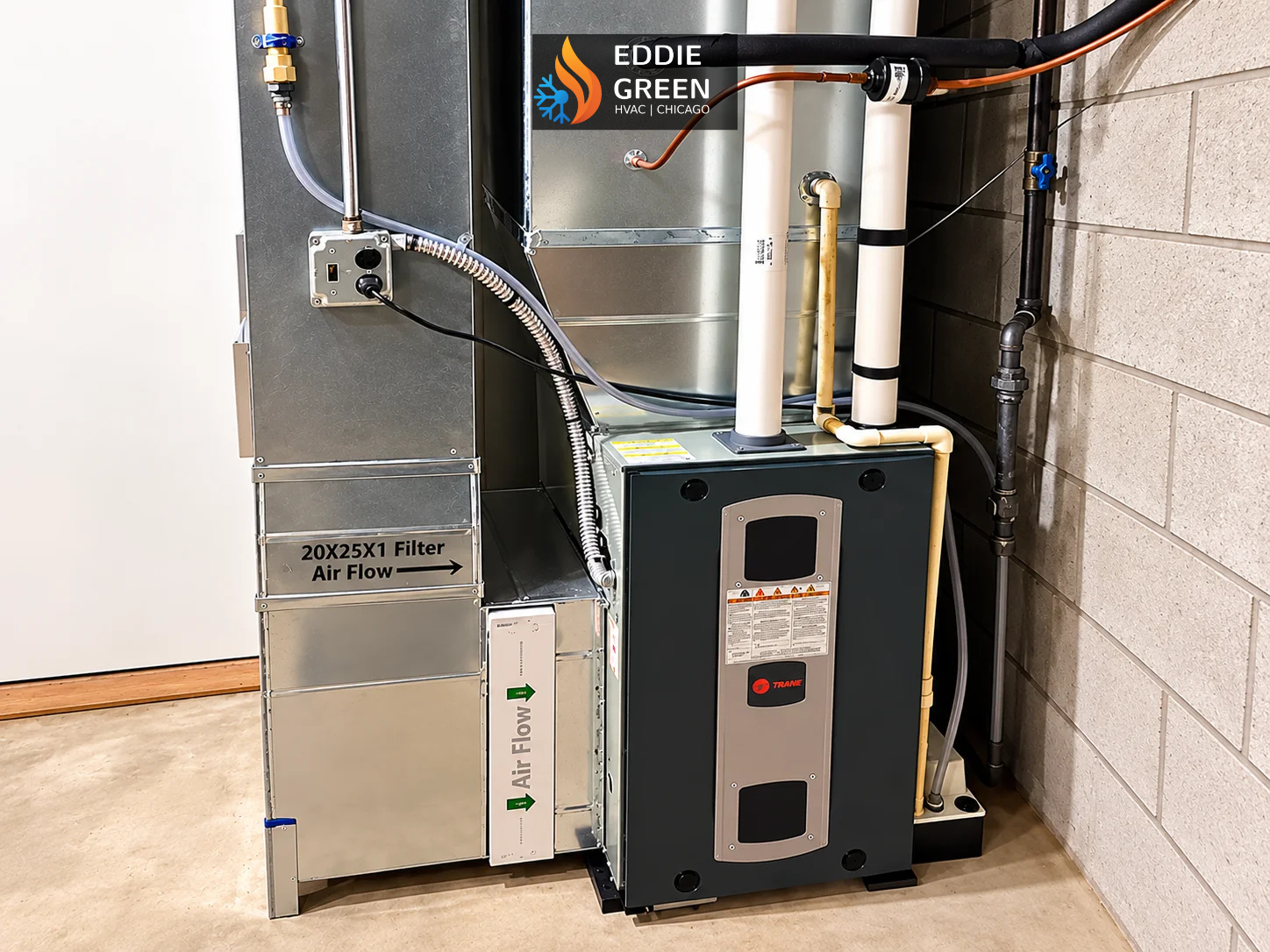
Balanced airflow helps the furnace "breathe" properly and reduces stress on the blower motor. It also supports better filtration since air can move through the system without being forced around leaks and bottlenecks. During installation, technicians should inspect both supply and return pathways, not just the furnace cabinet itself.
Duct Size and Layout Matter
Ductwork acts like the highway system for heated air. If a major road is blocked, traffic slows down. The same thing happens when ducts are undersized, crushed, disconnected, or poorly routed. Even a high-quality furnace can underperform if the duct system can't support proper airflow.
Long duct runs, tight bends, and leaky connections all increase resistance. In homes with older systems, this can cause noise, poor heating in distant rooms, and excessive runtime. In some cases, the best solution isn't just a new furnace but a broader comfort plan that includes duct improvements and seasonal preventative maintenance.
Blower Performance is Key
The blower fan is responsible for moving heated air throughout the home. If the blower isn't set up right, the furnace may produce heat that never reaches rooms efficiently. Too little airflow can lead to overheating inside the furnace, while too much airflow can reduce heat transfer and leave supply air feeling lukewarm.
Proper blower setup is one of the most technical parts of furnace installation. Technicians must account for static pressure, duct resistance, filter choice, and the manufacturer’s specifications. A well-tuned blower helps the system deliver stronger comfort with less noise and less mechanical stress.
What Professional Installation Looks Like
Start with a Real Load Calculation
Professional installation starts before any old furnace is removed. A technician should evaluate the home using a load calculation that considers square footage, insulation, air leakage, window count, and orientation. This process helps determine the correct furnace size and heating capacity. It's one of the most important steps in avoiding comfort problems later.
Homeowners sometimes assume the previous furnace size is automatically the right size for the new one. That's not always true, especially if the home has been renovated or weatherized. A careful assessment can reveal that the old system was oversized, undersized, or poorly matched from the start.
Inspect the Ductwork During Installation
Installing a new furnace without checking the duct system is like putting a new engine in a car with damaged tires. The equipment may be new, but the support system still limits performance. During a proper installation, technicians should look for leaks, crushed sections, loose joints, and restrictive transitions that interfere with airflow.
This is also the time to evaluate filter location and return air paths. If the system struggles to pull air back efficiently, even a strong furnace can become noisy or inefficient. In homes where the duct system is aging, homeowners may need a larger conversation about repair, sealing, or redesign to support the new equipment.
Testing After Installation Confirms Real-World Performance
A quality furnace installation isn't complete until the system has been tested under operating conditions. That means measuring temperature rise, checking static pressure, verifying airflow, and confirming safe combustion. These tests help ensure the furnace is working within design limits and producing the comfort level promised by the installation.
Post-installation testing also gives the technician a chance to make fine adjustments. Small changes to blower settings or airflow balancing can make a big difference in how the home feels. If you're considering a full system replacement, this is one reason to choose a provider that offers careful installation services instead of a basic swap-out approach.
Signs Your Home Has an Airflow Problem
Some Rooms Are Always Hotter or Colder
Uneven room temperatures are one of the clearest signs of airflow trouble. If upstairs rooms overheat while basement or corner rooms stay cool, the issue may be more than thermostat placement. The furnace may be installed correctly but unable to overcome poor duct balance or improper return design.
Homeowners often try to solve this by closing vents, using fans, or changing thermostat settings. Those tactics may provide temporary relief, but they don't solve the root problem. A more effective approach is to diagnose the system as a whole, including duct flow, insulation, and blower configuration.
The Furnace Runs Often But Comfort Feels Weak
When a system runs for long periods without delivering satisfying warmth, airflow may be restricted. Filters that are too dense, clogged ducts, or poorly designed returns can all reduce performance. The furnace keeps operating because the home is still losing heat, but the warm air isn't circulating efficiently enough to stabilize the indoor temperature.
This kind of symptom often leads homeowners to suspect the furnace itself is failing. Sometimes that's true, but many comfort complaints are really distribution problems. A professional evaluation can determine whether the best solution is repair, maintenance, or a new system with better airflow characteristics.
Unusual Noise Can Signal System Resistance
Whistling, rattling, and booming sounds are often signs of airflow restrictions, loose parts, or pressure imbalances. A furnace should not sound strained during normal operation. If you notice new noises after installation or during a heating cycle, the system may be fighting duct resistance or improper setup.
It helps to think of noise as a warning signal. Air wants to move smoothly. When it can't, pressure builds, components vibrate, and the system becomes louder than it should be. If noise appears alongside weak heating, a follow-up inspection is a good idea.
How Proper Installation Protects Safety and System Life
Correct Venting Supports Safe Combustion
Furnaces that burn fuel must vent combustion gases safely. If venting isn't set up correctly, the risks can be serious. Proper installation includes checking vent slope, intake and exhaust routing, clearances, and combustion air supply so the furnace operates safely and efficiently.
Carbon monoxide safety is one reason professional installation matters so much. The U.S. Consumer Product Safety Commission warns that fuel-burning appliances should be installed and maintained properly to reduce exposure risks (source). This isn't an area where guesswork should be tolerated. Safe operation begins with correct setup.
Less Strain Means Fewer Repairs Later
When a furnace is installed with balanced airflow, the blower, heat exchanger, and controls don't have to work as hard. That typically translates to fewer repair calls, longer component life, and more predictable maintenance needs. A system that runs within its design range tends to age more gracefully than one that's constantly overloaded.
Think of installation quality as the foundation of future reliability. Even excellent maintenance can't fully compensate for a poor setup. That's why homeowners who want long-term value should view installation as the beginning of the system's life cycle, not just the moment it starts producing heat.
Maintenance Becomes More Effective After Proper Install
Once the furnace is installed correctly, routine maintenance becomes much more productive. Filters last longer, diagnostics become clearer, and airflow readings are easier to interpret. If the system is balanced well from the start, service visits can focus on preserving performance rather than correcting avoidable design flaws.
For homes that also rely on boilers or mixed heating systems, it can be helpful to coordinate a broader care plan that includes water boiler maintenance or steam boiler maintenance where appropriate. A whole-home comfort strategy often performs better than isolated fixes.
Real-World Examples of Better Airflow
An Older Bungalow with Cold Back Bedrooms
Imagine a home where the front rooms stay warm, but the back bedrooms never quite catch up. The furnace may appear to function normally, but the issue might be a long duct run with too much resistance and weak return air. In this type of case, a proper installation review could include duct adjustments, blower calibration, and better balancing across the home.
After the system is corrected, homeowners often notice a more even temperature from room to room and fewer thermostat swings. That improvement can feel more dramatic than simply installing a bigger furnace. Better airflow often solves the complaint more effectively than brute force.
A Two-Story Home with Overheating Upstairs
Upstairs overheating is common because warm air naturally rises, but installation choices can make it worse. If the furnace is oversized or the supply/return balance is poor, the second floor may receive too much heat too quickly. The first floor then feels underheated, leading homeowners to raise the thermostat and make the problem worse.
A better approach may include duct balancing, correct equipment sizing, and in some homes zoning strategies. This is why installation planning matters so much: the goal is not just to make the furnace run, but to make every floor comfortable in a predictable way.
An Efficient Furnace That Still Feels Disappointing
Sometimes homeowners replace an aging unit with a high-efficiency model and expect instant comfort improvement, only to discover the home still has hot and cold spots. In many cases, the equipment is excellent but the airflow system isn't. The installation may have reused existing ductwork without fully addressing leaks, restrictions, or improper returns.
This is a reminder that efficiency ratings and comfort are related but not identical. A premium furnace needs the right delivery system to shine. The best installations combine the equipment upgrade with airflow improvements and follow-up testing.
What Homeowners Can Do Before and After Installation
Ask the Right Questions Before Replacing a Furnace
Before you approve a replacement, ask how the home will be sized, whether the ductwork will be inspected, and what testing will be performed after installation. You should also ask how airflow will be balanced and whether any changes are needed to returns, filters, or venting. These questions help separate a thoughtful installation from a rushed one.
It is also smart to discuss the condition of the rest of the heating system. If your current furnace has recurring issues, it may be worth comparing replacement against repair, especially if you are already considering furnace repair as a short-term fix. Understanding the full picture helps you choose the most cost-effective path.
Keep Filters Clean and Registers Open
Once the new furnace is in place, homeowners play a major role in preserving airflow. A dirty filter can choke the system and undo much of the benefit of a quality installation. Registers should remain open unless a technician advises otherwise since closing too many vents can raise static pressure and reduce efficiency.
Simple habits like replacing filters on schedule and keeping supply and return grilles clear of furniture can make a measurable difference. These steps help the furnace move air more freely and maintain more consistent comfort throughout the season.
Schedule Seasonal Inspections
Even the best installation should be checked over time. Seasonal inspections allow technicians to catch airflow changes, dirty components, and developing restrictions before they become bigger problems. In a climate like Chicago's, where furnaces work hard for long stretches, preventive care is essential to keeping the system dependable.
For many households, a combined heating and cooling maintenance plan is the easiest way to stay ahead of issues. Services like residential furnace and AC preventative maintenance can help keep the home comfortable across seasons while reducing surprise breakdowns.
FAQ: Furnace Installation and Airflow
How Do I Know If My Furnace Is the Right Size?
The best way to know is through a professional load calculation rather than by guessing based on the old unit. A properly sized furnace should heat the home steadily without short cycling or constant running. If your current system has hot and cold spots, oversized equipment may be part of the problem.
Can Airflow Really Affect My Energy Bill That Much?
Yes. Restricted airflow can force the furnace to run longer and harder to maintain the same indoor temperature. That extra runtime can increase energy use and reduce system efficiency. Good airflow helps the furnace heat the home more effectively with less wasted effort.
Should I Replace Ducts When I Replace the Furnace?
Not always, but ductwork should always be inspected. If the ducts are leaky, undersized, or badly routed, a new furnace may not perform as expected. In some homes, targeted duct repair or sealing can dramatically improve comfort without a full duct replacement.
What If I Already Have a New Furnace But the Home Still Feels Uneven?
That usually means the issue is in airflow, duct balance, or insulation rather than the furnace itself. A post-install review can identify bottlenecks, weak returns, and settings that need adjustment. In some cases, a follow-up tune-up is enough to resolve the problem.
Wrapping It Up: Better Comfort Starts with Better Airflow
A warm home depends on more than a furnace that turns on. It depends on the furnace being correctly sized, properly installed, and supported by an airflow system that can distribute heat evenly and safely. When those pieces work together, the result is steadier comfort, fewer repairs, and a heating system that performs the way it should.
If you're planning a replacement or evaluating comfort problems in your current home, focus on the whole system rather than just the equipment label. Ask about sizing, ductwork, airflow testing, and long-term maintenance. And if you want a team that takes those details seriously, Eddie Green HVAC is ready to help with dependable service and practical guidance. Learn more about our residential furnace installation and see how a better setup can improve your home’s comfort from the start.
For homeowners comparing options, a careful installation is one of the smartest investments you can make in heating performance. Reach out today to discuss your comfort goals, ask questions, and take the next step toward a warmer, more balanced home.