Professional Commercial HVAC Installation: The Importance of Planning and Execution
When you think about heating and cooling a business, the system behind the walls is just as crucial as the business itself. Whether it's rooftop units or entire HVAC systems, how they're installed affects comfort, energy use, and the system's lifespan. For property owners, managers, and developers, a hurried installation can lead to years of unnecessary repairs, uneven temperatures, and higher utility bills. If you're planning a new build, replacement, or tenant improvement, understanding the installation process can help you make smarter decisions for the long run and protect your investment. For businesses that need reliable support, Eddie Green HVAC offers expert commercial HVAC installation tailored to the needs of busy properties.
Commercial HVAC systems aren't one-size-fits-all, which makes installation so important. A rooftop unit for a retail space has different needs than one for an office, restaurant, warehouse, or medical suite. The right design considers square footage, occupancy, ventilation, ductwork, controls, and local weather. According to the U.S. Department of Energy, correctly sizing and installing HVAC equipment is key to reducing wasted energy and improving reliability. If you want a system that works right from the start, it needs more than just basic equipment placement it requires planning, expertise, and testing.
Why Commercial HVAC Installation is a Business Decision
Impact on Operating Costs
Commercial HVAC equipment is a major ongoing energy expense. Poor installation can cause the system to short-cycle, overwork, or struggle to maintain stable temperatures, leading to higher utility costs and more frequent service calls. Proper design and installation help the system run efficiently from day one, which is crucial whether you manage one building or several. Treat the HVAC system as a financial asset, not an afterthought.
Comfort Influences Productivity and Customer Experience
Temperature swings, drafts, and uneven airflow can affect how employees work and how customers feel. In offices, discomfort can lower concentration and morale. In retail or hospitality settings, it can affect the customer experience. A professionally installed system helps maintain steady indoor conditions, supporting productivity and improving the overall environment. For buildings with recurring comfort issues, pairing installation with commercial HVAC installation can solve the problems that temporary fixes can’t.
Compliance and Safety Depend on Proper Setup
HVAC systems need to meet code requirements, ventilation standards, and safety expectations. This includes airflow, electrical connections, refrigerant handling, and equipment clearances. Reputable installers follow recognized standards, helping ensure systems are safe and functional. For more on healthy airflow, check the CDC/NIOSH indoor environmental resources. Professional installation reduces risk before your building even opens.
Rooftop Units vs. Complete HVAC Systems: Know the Difference
Strengths of Rooftop Units
Rooftop units are common in commercial spaces because they save space, simplify access, and can serve various buildings efficiently. They're often a practical choice for smaller spaces like retail or single-story facilities. A well-installed rooftop unit can be highly effective when the building’s layout and occupancy match its design. But even durable systems need correct sizing and proper connection to the building.
When a Complete HVAC System is Better
A complete HVAC system may include multiple air handlers, packaged units, ductwork, zoning controls, and advanced systems. These setups are common in larger or more complex buildings where different areas need different temperature control. For example, a multi-tenant office building may need separate zones for conference rooms, workspaces, and storage areas. Complete systems often offer better comfort control, stronger ventilation, and flexibility for future expansion.
Choosing the Right System
The wrong system can lead to frustration. A rooftop unit might be perfect for one building but inadequate for another with changing occupancy or special needs. While a complete HVAC system may seem more expensive upfront, it can offer better control and less operational stress over time. A professional contractor should evaluate the whole property before recommending a direction.
What Happens During a Professional Commercial HVAC Installation
Load Calculations and System Design
Professional installation begins long before equipment arrives. Contractors evaluate the building’s size, use, insulation, windows, and internal heat gains to determine the correct equipment capacity. Good design lays the foundation for a system that performs efficiently and consistently.
Ductwork, Zoning, and Airflow Planning
Even the best equipment will struggle if airflow is poorly designed. Ductwork must be sized and sealed properly to deliver air where it's needed without wasting energy. Zoning controls can improve comfort by separating different areas with different needs. Proper airflow planning is especially important in buildings with unusual layouts or mixed-use spaces.
Equipment Placement and Integration
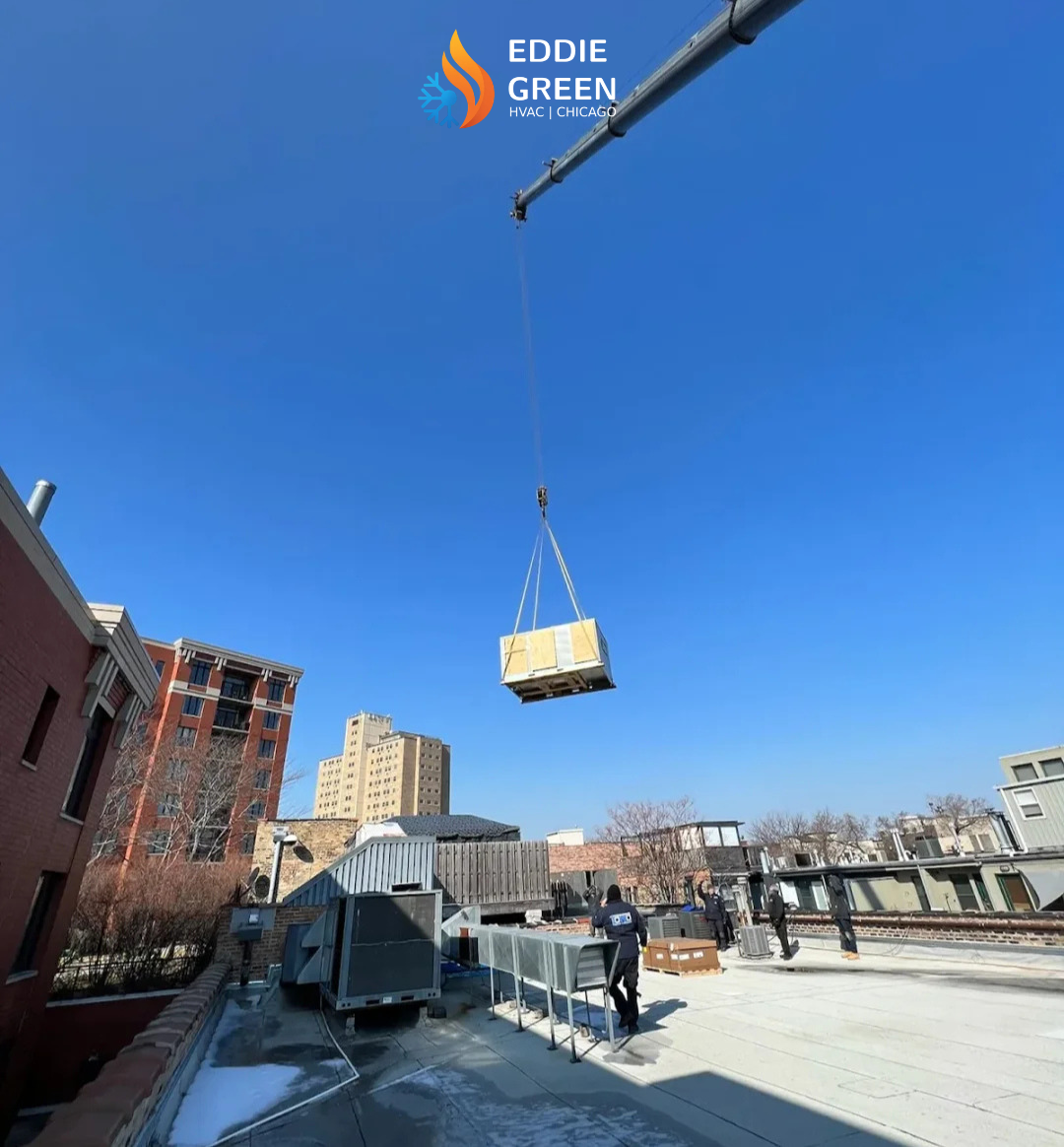
Installation involves more than setting a unit in place. Rooftop equipment needs secure mounting, weatherproofing, and proper drainage. Indoor components must be positioned for access and serviceability. This step is crucial because small mistakes can lead to big problems later.
Why Planning Matters Before Installation Begins
Budgeting for the Full Project
Many owners focus only on the equipment price, but installation involves much more. Costs may include duct changes, roof repairs, crane access, electrical updates, and testing. A realistic budget helps keep the project on schedule and reduces the temptation to cut corners on important components.
Scheduling Around Business Operations
Commercial properties can't always shut down for an HVAC project. Planning around tenant schedules, business hours, and seasonal demand is crucial. A good contractor will discuss timing early and provide a plan that fits your operation.
Permits, Inspections, and Code Compliance
Permitting and inspection requirements can vary by project type and location. In Chicago, staying compliant is essential. The installation team should understand local requirements, coordinate inspections, and ensure the system is ready for approval. For more on commercial HVAC project planning, check the U.S. Department of Energy’s guidance.
The Hidden Risks of Poor Installation
Short Cycling and Uneven Temperatures
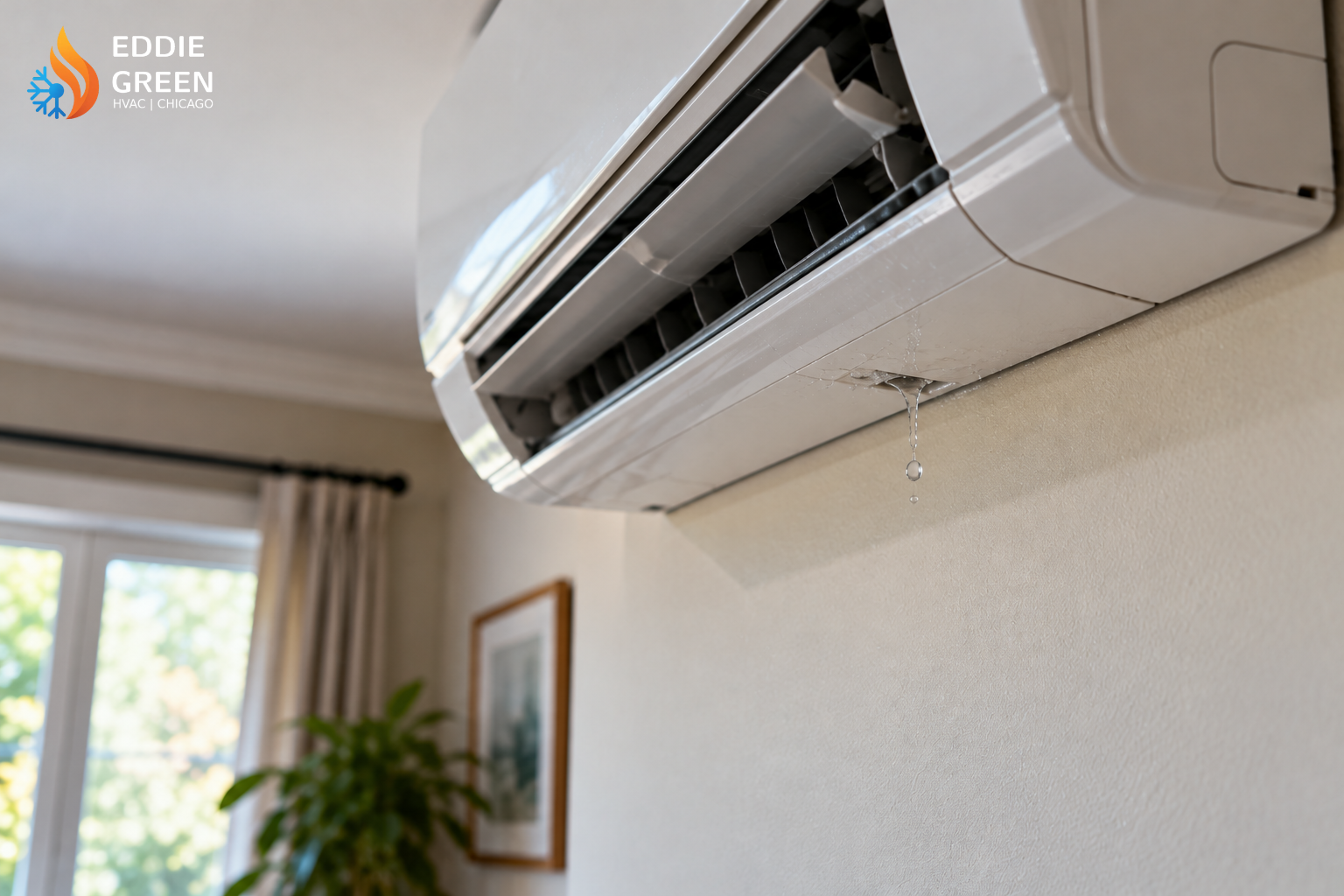
Poor installation often leads to inconsistent comfort. Some areas may feel too warm, while others stay chilly. These symptoms indicate that the equipment isn't operating as intended. Over time, this can shorten system life and increase costs.
Air Leaks and Energy Loss
Leaky ductwork and poorly sealed connections can cause conditioned air to escape before it reaches the space. This means the equipment has to work harder to meet the same demand, leading to energy loss. According to ENERGY STAR, efficient HVAC systems save energy when properly sized and installed.
Premature Repair and Replacement
Many system failures that seem like equipment issues are actually installation problems. A rushed installation can lead to repeated service calls and a shorter equipment lifespan. High-quality installation should be seen as preventive protection.
How Professional Installation Supports Long-term Efficiency
Better Load Matching
Properly sized equipment cycles as it should and maintains stable comfort without excessive strain. Proper load matching reduces energy waste and keeps components from wearing out too quickly.
Effective Controls
Today's commercial HVAC systems often include programmable controls. These tools only help if installed and configured correctly. A good team ensures that schedules, zoning, and sensor placement match actual building use.
Easy Maintenance
Systems installed with service access in mind are easier to maintain, inspect, and repair. This can lower labor costs and reduce downtime during routine service. For ongoing care, consider pairing your system with commercial HVAC installation and scheduled preventative service.
Why Professional Installation Pays Off
Retail Spaces with Traffic Changes
A retail space may have heavy traffic at certain times and quiet periods at others. If the HVAC system isn't designed for those fluctuations, customers may feel uncomfortable during peak hours. Professional installation can address this by balancing airflow and improving zoning.
Office Buildings with Mixed-use Zones
Office buildings often include various areas that don't all need the same cooling or heating strategy. A professionally installed complete HVAC system can divide the building into zones, improve control, and reduce complaints.
Restaurants and Kitchens with Ventilation Challenges
Restaurants need balanced ventilation and pressure management. If the system is installed incorrectly, it can lead to hot dining areas or pressure issues. Professional installers understand these challenges and coordinate the HVAC design with the building’s conditions.
Choosing a Commercial HVAC Installation Partner
Clear Communication and Planning
A good contractor explains the process clearly and provides a realistic scope of work. They discuss equipment options, timelines, and how the project will affect your property during installation.
Technical Experience with Commercial Systems
Commercial HVAC work differs from residential work. You want a contractor who understands rooftop units, complete systems, ventilation, and startup procedures. Experience helps anticipate problems before they become setbacks.
Testing, Startup, and Follow-through
The job isn't finished when the equipment is installed. Professional contractors test the system, verify airflow, and confirm temperature control. They should document the work and explain any maintenance steps the owner or facility manager should follow.
Commercial HVAC Installation FAQ
How Do I Know if My Building Needs a New System?
If your current equipment is aging, inefficient, or no longer comfortable, it may be time for a replacement. Frequent service calls and rising energy bills are common signs. A professional evaluation can help you decide whether repair or replacement makes more sense.
Is a Rooftop Unit Always the Cheapest Option?
Not always. A rooftop unit may cost less upfront, but the best value depends on the building's layout, zoning needs, and efficiency goals. A complete HVAC system may cost more initially but provide better performance over time.
How Long Does Commercial HVAC Installation Take?
The timeline depends on the property's size, system complexity, and whether ductwork or electrical upgrades are needed. A good contractor will outline the schedule before work begins and update you if anything changes.
What Kind of Maintenance Does a New System Need?
New equipment still needs regular maintenance to stay reliable. Filters, coils, drains, and controls should be checked routinely. Preventive maintenance helps catch small issues before they become major breakdowns. Consider scheduled furnace maintenance and broader service plans.
Conclusion: Start with the Right Installation
Commercial HVAC installation is one of the most important investments for a property owner. Whether replacing a rooftop unit or designing a complete HVAC system, the quality of installation shapes comfort, reliability, and costs. A carefully planned project protects your building from unnecessary repairs and supports your team and tenants. The difference between an average install and a professional one is often measured in years of use and thousands of dollars in avoided costs.
If you're planning a project and want a team that understands commercial properties, Eddie Green HVAC is ready to help. From design to final testing, we aim to deliver reliable results that support your business. Learn more about our commercial HVAC installation services, or reach out for guidance on the best solution for your building.