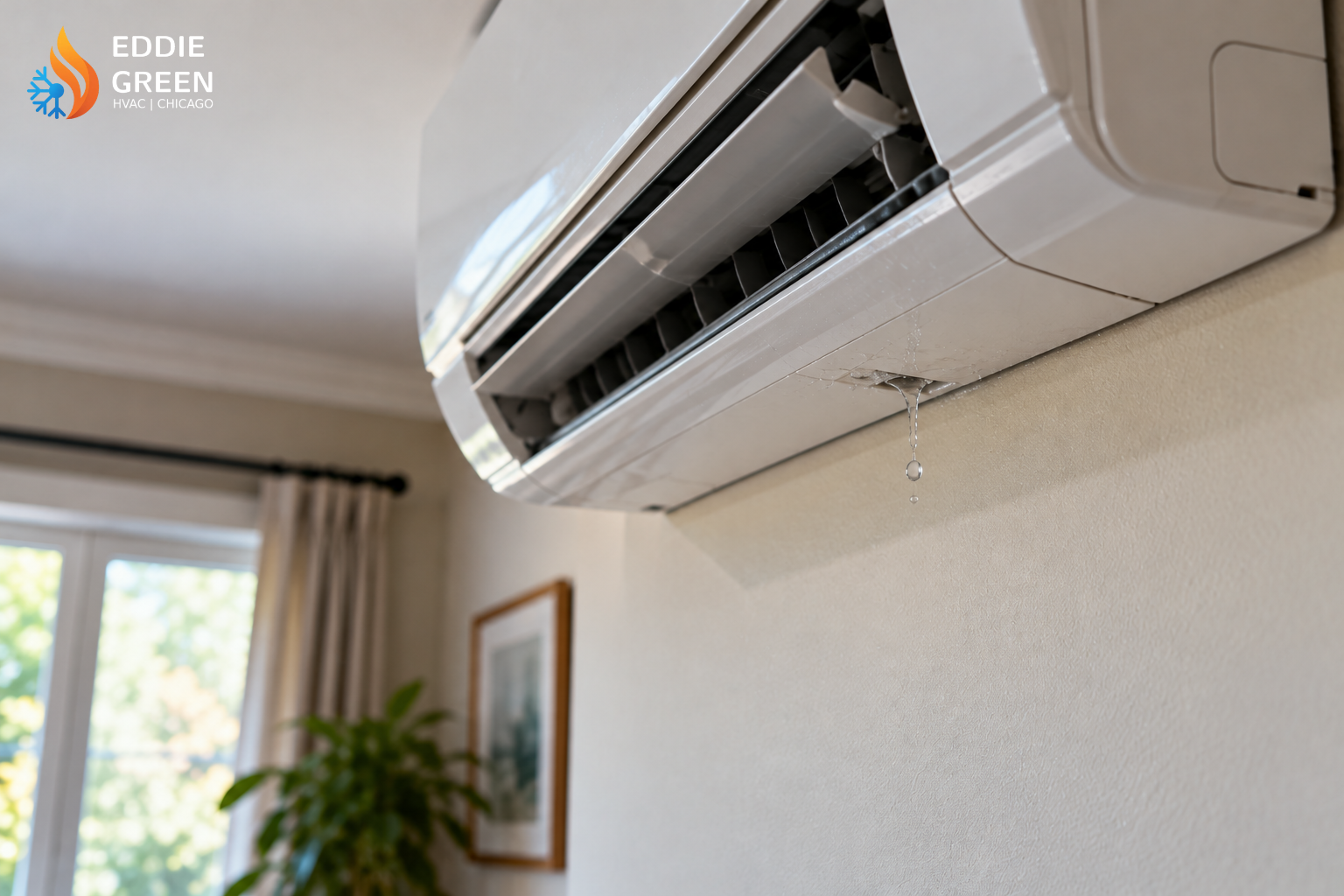
When your heating system starts acting up, you'll usually notice it right away. You might notice uneven room temperatures, higher utility bills, strange noises when it starts up, or just a constant chill in your home. Upgrading to a modern furnace can solve these problems, boosting comfort, safety, and efficiency. This guide walks you through spotting the signs it's time for a new unit, what features to look for, and how to plan a furnace upgrade that works for your home and budget.
If you're deciding between repairing or replacing, it's good to have the full picture. Sometimes a quick fix is all you need, especially if you're already working with a trusted team for furnace repairs or regular maintenance. But if your system is old, inefficient, or unreliable, a new furnace might be the better choice in the long run. The U.S. Department of Energy shows that efficient heating systems can significantly cut down on energy waste when properly selected and installed.
Why Your Old Furnace Might Be a Problem
Efficiency Drops Over Time
An old furnace might still turn on, but it may not work as well as it should. Over the years, wear and tear on parts like the blower motor, heat exchanger, ignition system, and controls can lower its output and increase energy use. This means you're likely paying more each month for less comfort, a clear sign it's not the best fit for your home anymore.
Older furnaces often have lower annual fuel utilization efficiency (AFUE) than newer models. A furnace with a low AFUE rating uses less of its fuel for heat, wasting more energy. This can lead to longer run times, more frequent repairs, and colder rooms during the winter.
Repairs Can Get Costly
Repairs are a normal part of owning an HVAC system, but there's a point where it's just not worth it anymore. If you're constantly replacing parts, calling for emergency repairs, or making temporary fixes, your system might be telling you it's near the end of its life. A new furnace often makes more financial sense when your unit is over 15 years old, and repairs are frequent.
This is especially true if the furnace has already needed major repairs. Issues like a cracked heat exchanger or failing control board can be expensive to fix and might not solve underlying problems. In these cases, a new installation might be the best choice for a fresh start. For more help, a professional installation service can guide you to the best fit for your home.
Comfort Problems Are a Red Flag
Uneven heating is more than just annoying. It can mean your furnace is struggling to distribute air properly, or it's not sized or working right for your house. Hot and cold spots, long times to heat up, and frequent thermostat tweaks are all signs your system isn't keeping up.
A new furnace can improve airflow, reduce cycling problems, and make temperature control more predictable. This change is often noticeable within the first heating season, especially in older homes where insulation and ductwork have been improved. Once you experience the comfort difference, you'll see just how much energy your old system was wasting.
What Sets a Modern Furnace Apart
Better Efficiency and Fuel Use
The biggest difference with newer furnaces is their fuel efficiency. They're designed to get more heat from the same input, which cuts operating costs and reduces energy waste. For many, this alone makes a replacement worth considering, especially when winter heating bills are high.
Efficiency isn't just about the furnace. It also depends on proper sizing, duct compatibility, and setup. A furnace that's too big or too small can waste energy and create comfort issues. System selection should start with what your home needs, not just the size of the old unit. Professional design and testing are just as important as the equipment itself.
Smart Controls for Consistent Comfort
Modern systems often come with advanced thermostats, variable-speed blowers, and staged heating technology. These features help the system run smoothly and avoid temperature swings. Instead of blasting heat in short bursts, the system makes smaller adjustments for a more natural feel throughout the home.
For homeowners, this means quieter operation, fewer drafts, and even temperatures from room to room. These upgrades are especially noticeable in larger homes or those with multiple levels. They also work well with other comfort improvements like air sealing, insulation upgrades, and seasonal preventative maintenance.
Improved Safety Features
Modern furnaces are built with better safety controls and monitoring systems than older ones. This is important because heating systems work with combustion, electrical parts, and air movement all at once. If something fails, the system might shut down instead of continuing in a risky way.
Many homeowners appreciate that newer units are designed to support safer indoor air quality and reliable venting. While every installation must be handled correctly, modern equipment offers more safeguards than older systems. For those who value peace of mind, this is just as important as efficiency.
When to Replace Instead of Repair
Check the Furnace's Age
Age is a straightforward way to decide between repair and replacement. If your furnace is 15 to 20 years old, it's often worth considering if a new system would offer better long-term value. Even if it still works, older equipment is more likely to break down and less likely to heat efficiently.
Not every old furnace needs immediate replacement. Some can keep running with good maintenance and selective repairs. But when age combines with comfort issues, rising bills, and frequent repairs, replacement becomes the practical choice for most.
Watch for Frequent Repairs
A pattern of recurring repairs is a clear sign of trouble. If you're calling for help every heating season, or multiple times in one, your system might be beyond its economical lifespan. Often, the cost of repeated repairs could be better spent on a more reliable upgrade.
Homeowners often hold out, hoping the next repair will be the last. But if the same furnace keeps failing in different ways, it's time to take notice. A professional diagnosis can help you understand if the issue is isolated or if the unit is simply worn out. If it's the latter, replacement usually offers a more dependable outcome.
Consider Safety and Performance Together
Not all furnace problems are just about comfort. Some issues, like a damaged heat exchanger or persistent ignition failure, can raise safety concerns. These situations need immediate professional attention and can't be ignored until it gets cold.
If your system is becoming unpredictable, combining an inspection with a replacement estimate can clarify your options. A qualified HVAC contractor can explain whether repair is reasonable or if the risk and cost of continuing aren't worth it. This kind of honest evaluation is valuable during a Chicago winter when losing heat can quickly become urgent.
What to Expect from the Upgrade Process
Home Evaluation and System Sizing
A quality furnace upgrade starts with evaluating your home. This includes checking square footage, insulation, duct condition, window efficiency, layout, and how the current system has performed. The goal is to choose equipment that fits the home rather than just matching the old furnace's size.
Accurate sizing is crucial because a furnace that's too large can short-cycle, while one that's too small might struggle to keep the house warm. Both issues affect comfort and can shorten the equipment's life. A thoughtful sizing process helps prevent these problems and supports better efficiency from the start.
Installation and Setup Details Matter
Even the best furnace won't perform well if installed poorly. Proper venting, electrical connections, gas line checks, airflow balancing, and thermostat setup all play roles in system performance. Post-install testing is also important to confirm the furnace is operating safely and delivering expected results.
This is where professional workmanship really counts. A well-installed furnace should heat the home quietly, safely, and efficiently. For long-term performance, work with a contractor who treats setup and testing as essential steps, not afterthoughts.
Understanding Timelines and Disruption
Many worry that replacing a furnace will take too long or cause major disruption. In most cases, installation is efficient if the project is well planned and the replacement is straightforward. More complex jobs, especially those needing duct modifications or venting adjustments, might take longer, but with the right team, the process is manageable.
To reduce stress, ask about the timeline, any prep work needed, and how your home will be protected during the project. Clear communication makes the process feel easier and ensures the upgrade is handled professionally. For local homeowners, Eddie Green HVAC is a dependable HVAC contractor in Chicago focused on responsive service and practical solutions.
Picking the Right Furnace for Your Home
Gas, Electric, and High-Efficiency Options
The best furnace for you depends on your home, utility setup, and comfort priorities. Gas furnaces are popular for strong heating and efficient operation in cold climates. Electric models work in some situations, while high-efficiency systems can offer savings when installed correctly.
Don't just look at the sticker price. Consider projected operating costs, maintenance needs, warranty coverage, and how the system fits your home's airflow needs. A cheaper furnace now can end up costing more if it uses more energy or needs frequent service.
Why Ductwork Matters
Replacing the furnace without checking the ducts can limit the upgrade's value. Leaky, undersized, or poorly balanced ductwork can reduce airflow and overwork the system. In some cases, duct issues are why a home feels uncomfortable, not the furnace itself.
That's why a replacement plan should look at the whole heating path. If airflow issues are found, it might make sense to fix them at the same time. The result is a more complete comfort solution and fewer surprises after installation.
Pairing the Furnace with a Full Comfort Plan
A modern furnace can be part of a better home comfort strategy. Insulation, thermostat programming, maintenance scheduling, and indoor air quality improvements all help performance. When these elements work together, homeowners often see better results than from equipment alone.
For instance, homeowners who use water boiler maintenance or steam boiler maintenance know that system care matters. The same goes for furnaces: equipment performs best with regular upkeep and a well-prepared home.
Benefits: Energy Savings, Comfort, and Value
Monthly Savings Add Up
Many start thinking about replacement after noticing rising heating costs. While savings vary, a modern furnace can reduce waste enough to make a noticeable difference over a heating season. The more inefficient the old system, the more room there is for improvement.
These savings become more valuable with fewer repairs and less downtime. Instead of paying for fixes, you're investing in a system that should deliver more predictable performance. This mix of comfort and financial stability is why furnace upgrades remain a smart home improvement.
Comfort Gets Better Fast
Homeowners often notice better air circulation and steadier temperatures right after installing a new furnace. Rooms that used to be drafty or underheated can become much more consistent. The system may also run more quietly, a welcome change if the old furnace was noisy or disruptive.
These improvements aren't just about luxury. Better comfort can improve sleep, reduce stress, and make a home more usable during the coldest months. For families with kids, older adults, or anyone sensitive to temperature swings, these benefits can be felt every day.
Boosting Home Value
A modern furnace can also support resale value by making the home more appealing to buyers. Buyers often look at HVAC age, efficiency, and maintenance history because heating reliability is a big concern in cold-weather areas. A newer system signals that the home has been cared for and updated responsibly.
This doesn't mean every furnace replacement instantly boosts sale price dollar for dollar. But it can make the home easier to market and may reduce objections during inspection. In that sense, the upgrade works as both a comfort improvement and a practical asset.
Tips to Protect Your New Furnace
Schedule Regular Service
Once your new furnace is in, the best way to protect it is with regular maintenance. Seasonal service catches wear early, keeps components clean, and ensures the system is ready before the heating season. This kind of care can extend equipment life and reduce the risk of surprise breakdowns.
Homeowners who stay ahead on service usually enjoy the longest equipment lifespan. Routine checkups also make it easier to spot performance changes before they become costly repairs. A simple annual visit can save a lot of hassle later.
Change Filters and Watch Airflow
One of the easiest ways to help a furnace run well is to replace filters on time. A clogged filter can restrict airflow, make the blower work harder, and reduce heating performance. It might also lead to dust buildup and indoor discomfort.
Besides changing filters, keep vents open and unobstructed. Furniture, curtains, and stored items can limit airflow and create hot or cold spots. Small habits like these help your new system perform better throughout the season.
Know When to Call for Help
Even a new furnace can develop issues if something changes in the system or home. Strange noises, unusual smells, rising energy use, or uneven heat are all reasons to schedule service soon. Quick attention can prevent a small problem from becoming a big repair.
If you want professional care, consider seasonal furnace and AC maintenance. This service keeps your home ready for both winter and summer while reducing stress on your equipment.
Common Questions About Furnace Replacement
How Long Should a Furnace Last?
Many furnaces last around 15 to 20 years, though actual lifespan depends on usage, maintenance, installation quality, and fuel type. A well-maintained furnace may last longer, but age alone doesn't guarantee reliable performance. Once repairs become frequent, replacement usually deserves serious consideration.
Repair or Replace?
That depends on the unit's age, the repair cost, and how often problems occur. If the furnace is relatively young and the issue is minor, repair might be the smart choice. If the system is older and repairs add up, replacement often provides better long-term value.
Will a New Furnace Lower My Bills?
In many homes, yes. A modern furnace is typically more efficient than an older one, which can mean lower heating costs. The exact savings depend on your home’s size, insulation, thermostat habits, and how much energy the old system was wasting.
How Do I Know Which Furnace Is Right for My Home?
The best furnace matches your home’s heating needs, ductwork, and comfort goals. A professional evaluation should include sizing calculations and a review of your current system’s performance. This approach helps ensure the new equipment is not only efficient but also properly matched to your space.
Final Thoughts: Make the Upgrade Work for You
Upgrading to a modern furnace is more than just swapping out old equipment. It's about boosting comfort, cutting energy waste, and giving your home a safer, more reliable heating source for years to come. When your old system starts costing more in repairs and frustration, a new furnace is a smart investment.
If you're weighing your options, start with an honest assessment of your current system and your home’s heating needs. From there, a qualified HVAC professional can help you compare repair and replacement, explain the benefits of modern equipment, and recommend the right solution for your space. For dependable help with heating decisions, installation, and year-round care, contact Eddie Green HVAC and explore the services that support lasting comfort in every season.
Ready to take the next step? Learn more about our furnace installation services, schedule seasonal care through furnace maintenance, or reach out for expert guidance when your system is no longer keeping up. A better heating season starts with a better furnace, and the best time to plan the upgrade is before the next cold snap arrives.