Thinking about upgrading your HVAC system? It's a big decision, and there's more to it than just picking a new unit and getting it installed. Every choice you make, from the equipment you select to the final tweaks and tests, impacts how comfortable, efficient, and reliable your system will be, not to mention how much it'll cost to run in the long run. Treating the upgrade as a whole project, rather than just a quick swap, is the best way to ensure you get the results you want.
Especially if you're in Chicago, where the weather can be unpredictable and older buildings come with their own quirks, working with a reliable HVAC contractor is key. Success lies in careful planning, precise sizing, and expert craftsmanship at each step. In this guide, we’ll walk you through the entire process, so you can make informed decisions and appreciate why every detail is so crucial.
It's also helpful to grasp the standards and best practices that shape modern HVAC work. The U.S. Department of Energy talks about how correct sizing, high-efficiency equipment, and proper installation all affect system performance over time. The ENERGY STAR heating and cooling tips offer great advice for boosting efficiency, reinforcing a simple truth: the best HVAC systems are those chosen carefully and installed right the first time.
Why You Need a Whole-Home View for HVAC Upgrades
Comfort is More Than Just Temperature
Upgrading your HVAC shouldn’t just be about heating and cooling. Real comfort involves even temperatures, healthy airflow, controlled humidity, and quiet operation. If one part of your system is overlooked, the new gear might still leave your home feeling a bit off.
A lot of folks think a bigger unit will solve comfort issues, but oversizing can lead to new problems like short cycling, uneven room temperatures, and poor humidity control. A smart upgrade considers the whole house, looking at insulation, window performance, duct condition, and how you actually use your system day-to-day.
Quality Installation Affects Costs and Lifespan
No matter how efficient the system is, it won't perform well if it's not installed correctly. Factors like refrigerant charge, electrical connections, airflow balance, duct sealing, and thermostat setup play a big role in energy consumption. Ignoring these can make your unit work harder and wear out faster.
This is why investing in regular maintenance after installation can offer great long-term value. Maintenance protects your investment, but it can't fix a poor installation. The foundation has to be solid from the start.
Picking the Right HVAC Equipment
Match the System to Your Home, Not a Brochure
Choosing HVAC equipment shouldn’t be about brand names. The right system depends on the size of your home, layout, ductwork condition, insulation quality, and your comfort goals. A system for a small condo will look different from one for a multi-story house with aging ducts.
Professional load calculations are key to finding the right capacity. These calculations assess heat gain, heat loss, and how each room contributes to overall demand. Skipping this often leads to oversizing or undersizing, both of which hurt comfort and efficiency. Your contractor should explain why a specific model and configuration make sense for your property.
Look Beyond Sticker Price
When evaluating options, consider more than just the initial cost. Efficiency ratings like SEER2 for cooling and AFUE for heating can greatly impact your utility bills. Sometimes, a more efficient unit is pricier upfront but saves enough energy to be worth it over time.
The American Society of Heating, Refrigerating and Air-Conditioning Engineers explains that performance is closely tied to design, controls, and installation quality. Two systems with similar labels might perform differently depending on setup. A knowledgeable installer will help balance efficiency, performance, and budget to meet your goals.
Consider Future Repairs and Service
Think about how easy a system will be to maintain. Some systems are simpler to service, and some parts are easier to replace. If your home has special needs, these should be discussed during planning.
Sometimes, it makes sense to upgrade in stages. If your furnace is old but the AC still works well, you might upgrade one now and plan the other later. A professional furnace installation can be coordinated with future cooling improvements to ensure everything works seamlessly together.
Pre-Installation Assessments: Why They're Important
Check Ductwork Before Replacing Equipment
Ductwork is often overlooked during upgrades. If ducts are leaky, undersized, or poorly routed, new equipment may not perform as expected. Duct issues can cause hot and cold spots, high utility costs, and noise.
A thorough pre-installation assessment should include checking supply and return paths, static pressure, duct insulation, and the condition of registers and grilles. If ducts can't support the new system, these problems should be fixed before installation. Otherwise, you might end up paying for an upgrade that still has to compensate for old issues.
Evaluate Ventilation and Air Quality
Modern upgrades should also focus on indoor air quality. Better filtration, balanced ventilation, and humidity control can significantly affect comfort. This is vital for homes with allergies, pets, or sensitive occupants.
The EPA’s indoor air quality resources provide advice on reducing pollutants and boosting air quality. During an upgrade, ask if your system can handle better filters, air cleaning accessories, or improved fresh-air strategies. These enhancements often pay off in comfort and health.
Check Electrical, Gas, and Safety Needs
A proper assessment also involves ensuring your home can safely support the new system. Electrical capacity, gas line sizing, drain lines, venting, and condensate handling need careful review. If any area is compromised, the new equipment might not operate safely.
Professional installers should treat these checks as essential. Safety isn't just about compliance; it’s about protecting your home and everyone in it. A careful pre-installation process lowers the risk of future problems and helps ensure everything runs smoothly.
What Happens During a Professional HVAC Installation
Removing the Old System Properly
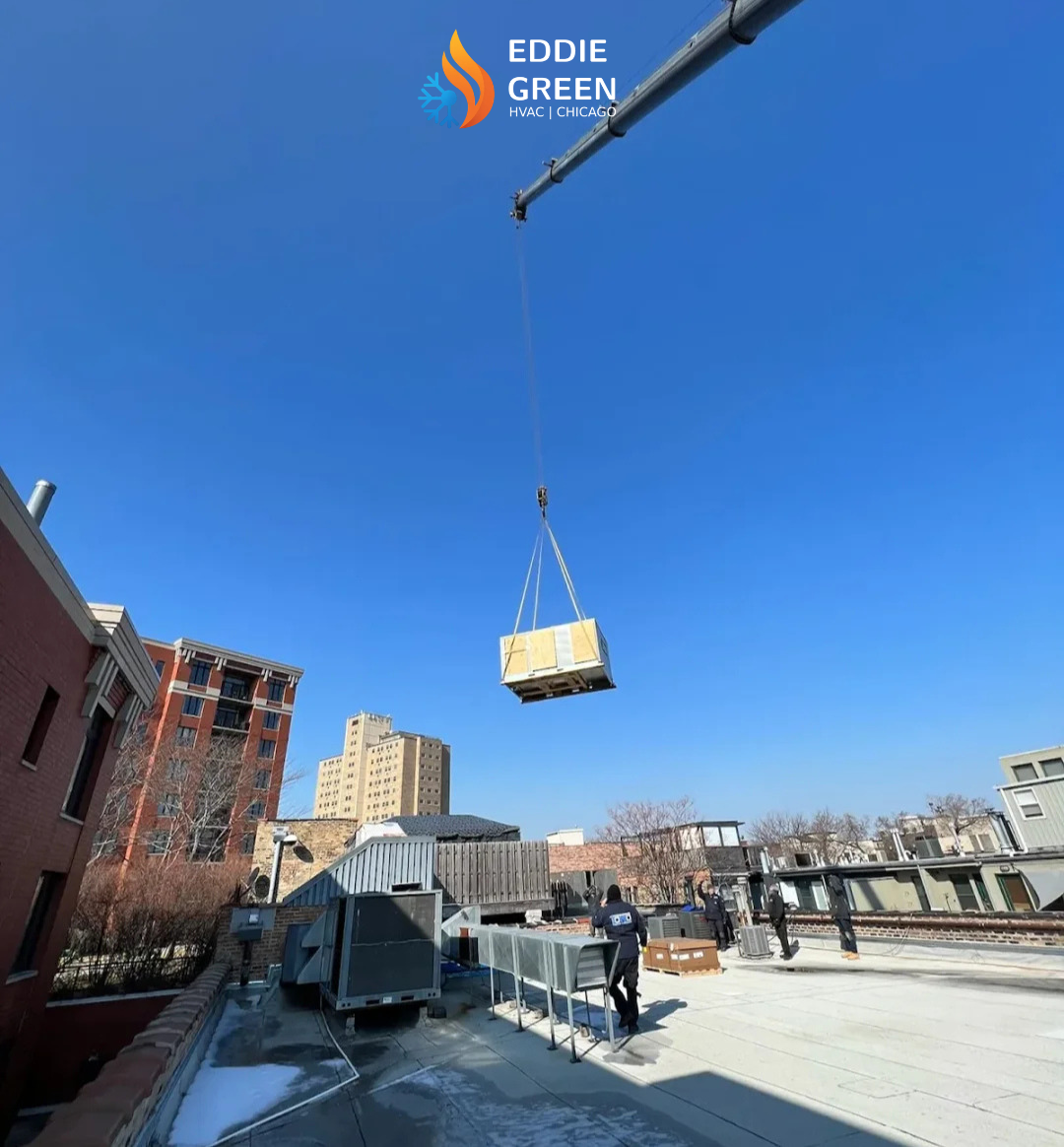
Installation begins with removing the old equipment properly. This includes disconnecting power, handling refrigerant safely, removing old components, and prepping the space for the new system. Rushing can damage surroundings or create issues down the line.
Experienced technicians identify any hidden issues like corrosion or worn wiring during removal. Addressing these before putting in new equipment is crucial for protecting your investment.
Setting Up the New Equipment
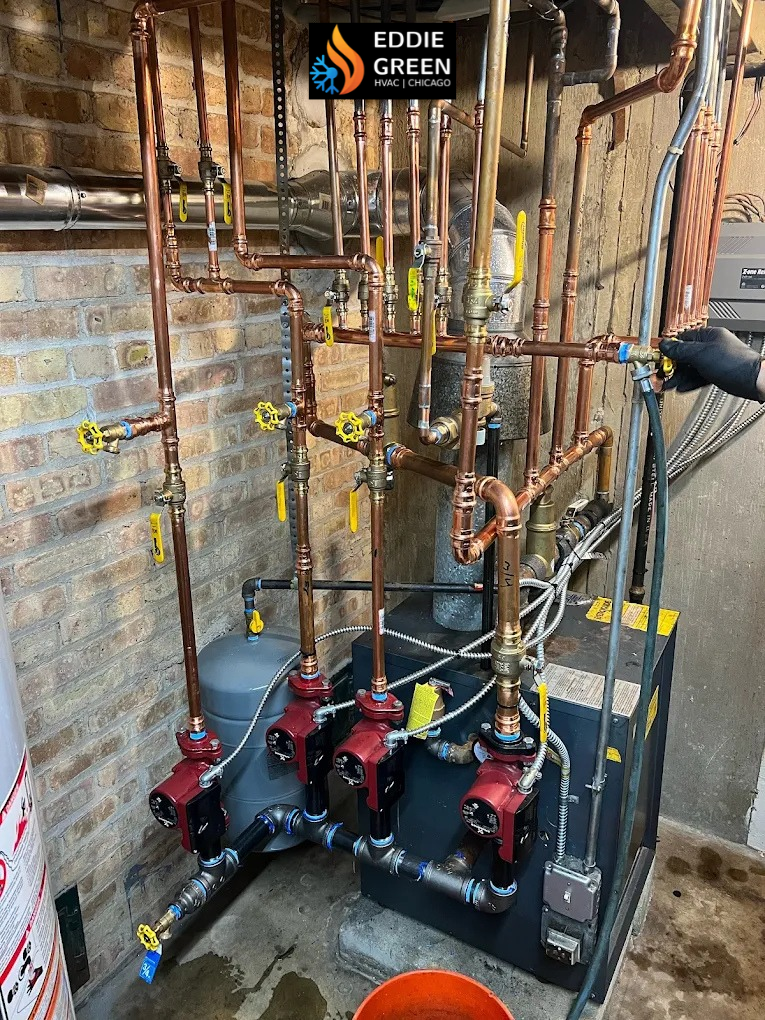
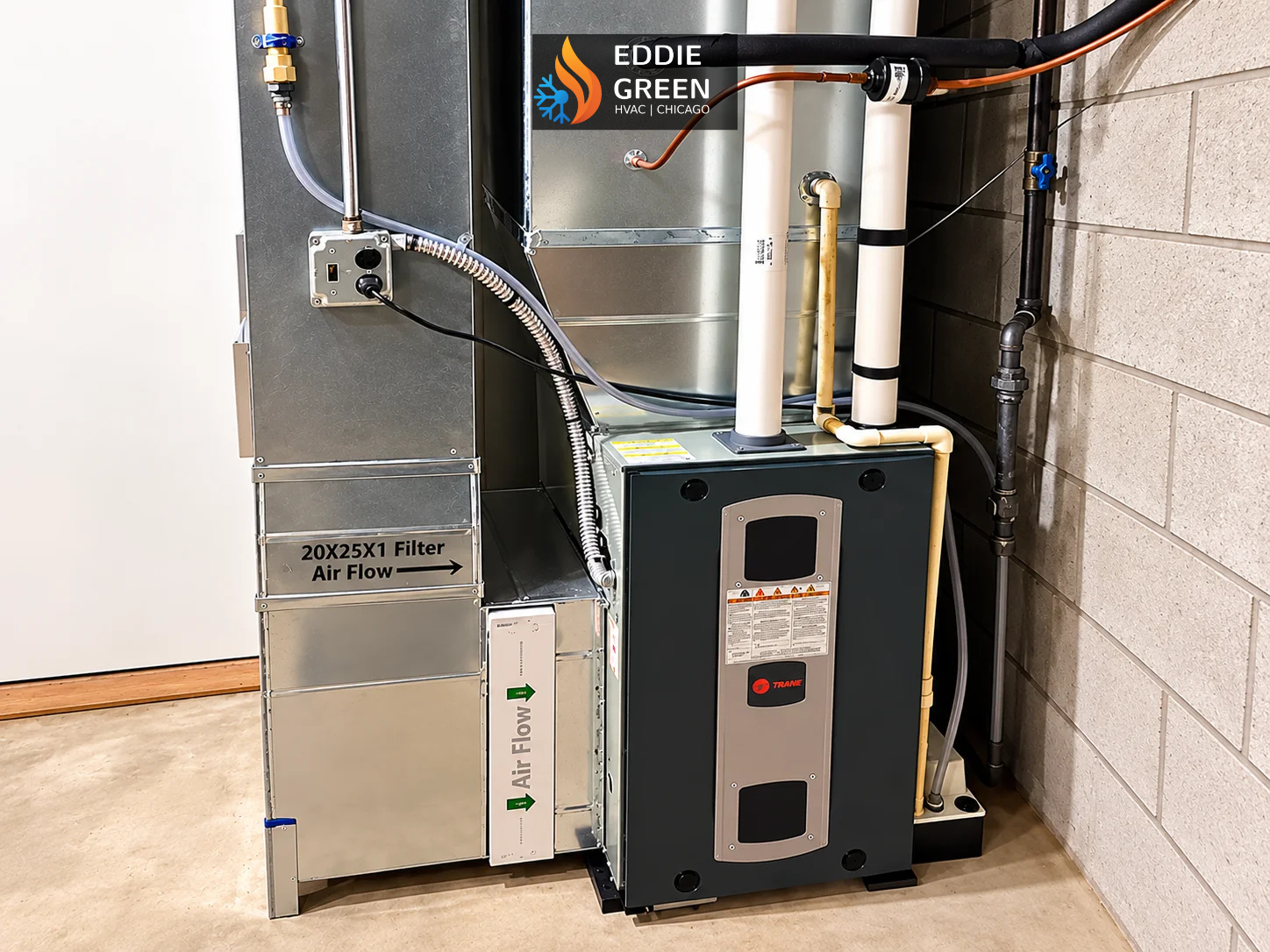
After removing the old system, the new furnace, AC, boiler, or related equipment needs precise positioning and connections. Proper placement, secure mounting, sealed joints, drainage, and electrical connections all matter. Small setup mistakes can lead to vibration or noise.
If your project includes a heat pump or central cooling replacement, consider related services like residential AC installation. When components are aligned correctly, the whole system works more efficiently.
Testing Airflow, Charge, and Controls
Final testing makes a good installation great. Technicians should verify airflow, measure temperature differences, check refrigerant charge, test thermostat communication, and confirm safety controls. Don’t rush this step; many problems appear only when the system is running under real conditions.
It’s also a time for small adjustments to improve performance. Balancing dampers, refining thermostat settings, and checking startup behavior help the system run smoothly. Final testing often determines whether you’ll enjoy immediate comfort or face avoidable issues.
Common Mistakes That Can Undermine a New HVAC System
Choosing the Wrong Size Equipment
A common mistake is picking a system too large or too small for the property. Oversized equipment tends to short cycle, wasting energy and wearing out faster. Undersized systems may run constantly without maintaining comfort.
Size should be based on calculation, not guesswork. A professional contractor will use building info and data to determine the right capacity. If a quote doesn’t explain sizing, it’s a red flag.
Overlooking Duct and Insulation Issues
Another mistake is upgrading the unit but ignoring the rest of the system. Major insulation gaps, duct leakage, or poor return air design can't be fixed by new equipment alone. In these cases, the upgrade might feel disappointing even if the unit is high quality.
Pairing a new system with seasonal maintenance and duct evaluation can be effective. Preventative care helps identify issues early and prevents the new system from facing unnecessary resistance.
Skipping Post-Installation Review
Some installations go wrong because no final walkthrough is done. Homeowners should receive basic operating instructions, filter guidance, thermostat tips, and an explanation of what to expect during the first few days. Without this, minor issues might seem like major problems.
A complete review also sets expectations for maintenance and warranty protection. Knowing how the system should sound, how often to change filters, and when to schedule service helps you get full value from the upgrade.
Protecting Your Investment After Installation
Schedule Maintenance Early
Once the new system is in place, regular maintenance becomes crucial. Tune-ups catch wear before it gets expensive and keep efficiency at its best. In Chicago’s climate, systems often work hard, so this matters.
Whether using a furnace, boiler, or split system, routine service reduces the chance of unexpected failures. Services like furnace maintenance or boiler care can extend equipment life. Preventative care isn't extra; it's smart ownership.
Keep Filters, Drains, and Controls in Shape
Homeowners can help by doing simple upkeep between professional visits. Replacing filters, keeping registers open, checking drains, and monitoring thermostat settings support better performance. These habits reduce strain and help the system work as designed.
If you notice rising bills, strange sounds, or uneven temperatures, address them early. Quick attention prevents minor issues from becoming major repairs. The value of a new system is highest with consistent care.
Know When to Call for Service
Even well-installed equipment can develop issues over time. If your system starts short cycling, loses airflow, makes new noises, or struggles with temperature, a professional inspection is the next step. Waiting too long can cause more wear and reduce the upgrade's benefits.
For heating issues, consider residential furnace repair for fast diagnosis and service. For cooling problems, targeted AC repair can restore performance before comfort is seriously affected.
Real-World HVAC Upgrade Examples
Older Home with Uneven Temperatures
Take an older two-story home with one warm upstairs bedroom in summer and another cold in winter. Simply replacing the equipment won't solve the problem if ductwork is unbalanced and return air is weak. A detailed assessment would likely identify airflow corrections, thermostat placement issues, and insulation improvements.
After a proper selection and installation, the home would feel more balanced and use less energy. This shows why the process is as important as the product. Comfort gains often come from addressing hidden problems a quick replacement would miss.
Busy Family Home with High Bills
Imagine a family noticing their old system runs nearly nonstop during summer. A careful upgrade might reveal the unit was oversized and ducts were leaking. Instead of swapping the same model, a contractor might recommend a better-sized system with improved airflow and a smarter thermostat strategy.
This approach can lower monthly costs while improving comfort and reducing wear. It's the difference between a quick fix and a true upgrade.
Commercial Property with Tenant Complaints
Commercial buildings have their own challenges, especially with different zones and occupancy patterns. Poor installation can lead to complaints about hot offices, cold conference rooms, or noisy equipment. These issues affect productivity, tenant satisfaction, and costs.
This is why businesses often choose a well-planned commercial HVAC installation rather than a simple swap. Commercial systems need coordination, testing, and long-term planning for the best results.
Frequently Asked Questions About HVAC Upgrades
How Long Does an HVAC Replacement Take?
The timeline varies based on system complexity, duct condition, access, and if extra electrical or mechanical work is needed. A straightforward residential replacement might be done in a day, but larger projects can take longer. If duct fixes, venting changes, or accessory upgrades are needed, the schedule might extend.
Should I Replace the Furnace and AC Together?
Not always, but it's worth considering if both systems are old or incompatible. Replacing both can boost efficiency, simplify installation, and cut future labor. Staged replacement can make sense, but it should be based on equipment condition and long-term value.
What's the Most Important Part of Installation?
There's no single step that's more important than the others. Good results come from the whole process working together. Proper sizing, duct evaluation, setup, and final testing all matter. The best installation is when each detail supports the next.
Takeaway: A Well-Executed HVAC Upgrade Pays Off
Upgrading your HVAC system should be a thoughtful process, not a rushed purchase. The right equipment, properly sized and installed, can enhance comfort, cut energy waste, and protect your property for years. But these benefits only happen when each step is handled with care.
From the initial assessment to final testing and ongoing maintenance, every detail counts. That's why working with a contractor who values planning and workmanship is key. If you're thinking about an upgrade, take time to explore your options, ask questions, and choose a team that knows the little things matter.
For dependable service and expert advice, contact Eddie Green HVAC at our website or call (224) 857-3327. You can also visit us at 4717 W Lawrence Ave, Chicago, IL 60630 to discuss your next HVAC project.